


Trump’s Oil Holdings Surge Amid Iran Conflict as Gas Prices Climb
Congressional report reveals President Trump's oil and gas stock portfolio grew significantly as the Iran war drives up fuel costs for American families.

POLICY WIRE — Washington, USA — A new report from Democratic members of the Congressional Joint Economic Committee reveals that President Trump’s personal investments in the oil and gas sector have ballooned in value during the ongoing conflict with Iran. The president’s holdings in these industries are now valued between $22.5 million and $81.6 million, a sharp increase from the $12.6 million to $46 million range recorded at the end of 2025.
Data from LSEG Data Analytics indicates that the president’s energy-related stocks have appreciated by an average of 43% since the close of 2025. Between March, when the war commenced, and the end of August, the president acquired between $4.7 million and $17.5 million in oil and gas stocks, while simultaneously divesting between $2 million and $5.4 million.
While Americans face rising fuel costs, President Trump recently boasted at a Georgia rally that U.S. energy firms are generating hundreds of billions of dollars due to the Middle East crisis. He told the crowd, “And while oil prices are temporarily high and will be falling dramatically in a short period of time, as soon as that war’s over, because there is so much oil,” adding, “All in the Hormuz Strait, there are ships waiting to come, we’re getting them out so fast. The United States oil and gas business is making hundreds of billions of dollars. … Our country is making hundreds of billions of dollars because of what’s happened in the Middle East.”
White House spokesman Davis Ingle defended the president’s financial position, stating that the portfolio is managed independently by third-party institutions. Ingle asserted that the holdings are maintained in discretionary accounts using computer-based models that replicate recognized indexes, adding, Neither President Trump nor any member of his family has any ability to direct, influence, or provide input regarding how the portfolio is invested or when investments are bought or sold. All investment decisions are made entirely by independent managers. There are no conflicts of interest.
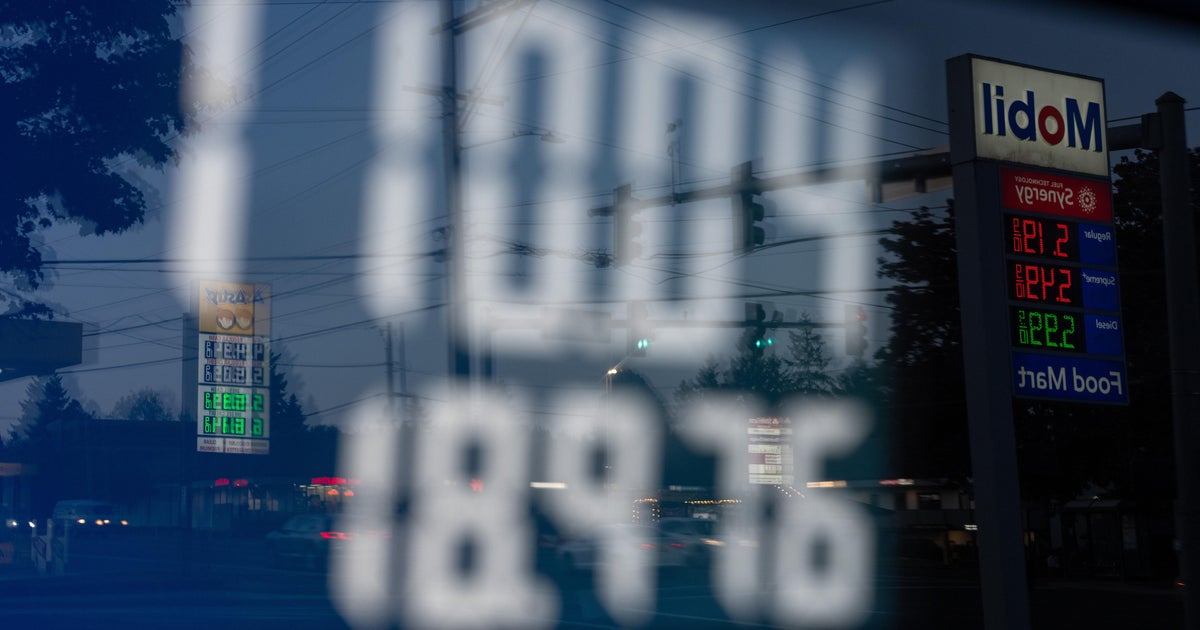
The energy sector has seen significant gains, with S&P 500 energy companies jumping over 50% this year, far outpacing the broader market’s 11% growth. Since the war began, the average cost of regular gasoline has risen from $2.87 to $4.29, while diesel has climbed from $3.68 to $6.28 per gallon. Brent crude oil is currently trading above $115 per barrel, up from less than $75 prior to the conflict.
Senator Maggie Hassan, the top Democrat on the Joint Economic Committee, criticized the situation, stating, Trump’s Iran War has forced Americans to pay much more at the pump while Big Oil rakes in profits and the president’s own stock wealth in the oil and gas industry continues to balloon. As Trump — the country’s highest ranking public employee — continues to own and trade stocks in companies that stand to benefit from his decisions, his actions raise major concerns about conflicts of interest.
The president’s largest holdings include Chevron and ExxonMobil, with values reaching up to $23.1 million and $18.4 million respectively. Committee Democrats estimate that the average American family has spent an additional $856 on gasoline since the war started. Despite the president’s previous public criticism of these companies for making too much money, his portfolio continues to reflect the sector’s growth.
Reporting by Policy-Wire (PW)