

Trump’s Drug Pricing Claims Face Scrutiny as TrumpRx Results Show Mixed Savings
President Trump claims TrumpRx offers the world's lowest drug prices, but a new KFF analysis reveals inconsistent savings compared to other nations.

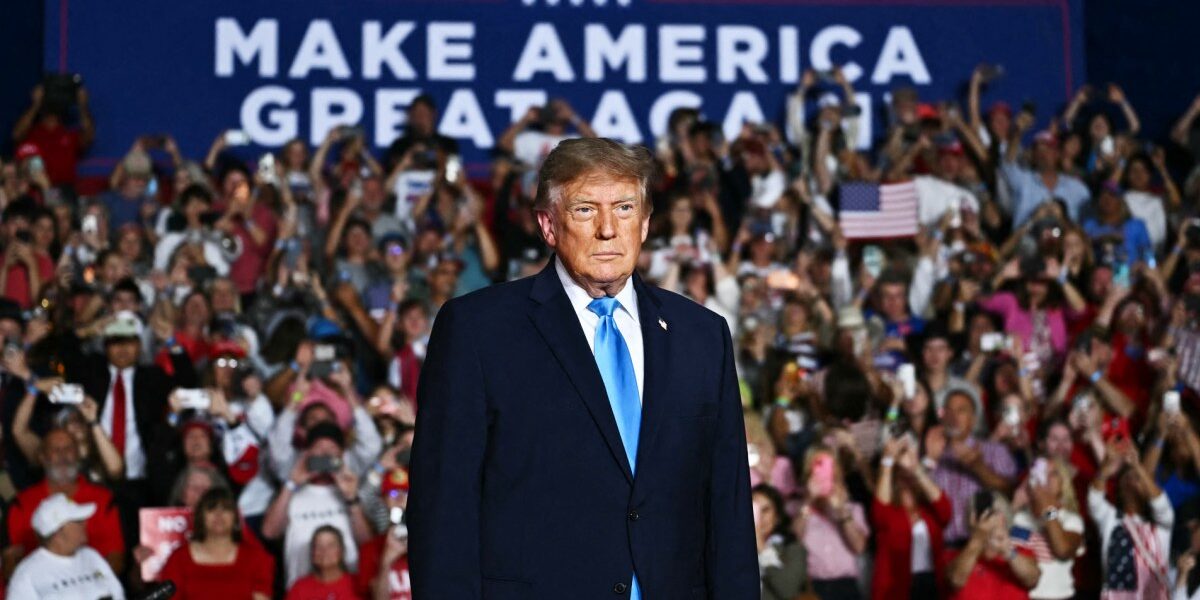
POLICY WIRE — Washington, D.C. — With the November 3 midterm elections approaching, President Donald Trump is aggressively promoting his administration’s drug pricing initiatives, asserting that the United States now secures the most affordable prescription medication costs globally. During a recent White House appearance, the president declared that this achievement alone should be enough to secure a victory in the upcoming midterms.
The administration’s primary platform for these discounts, TrumpRx.gov, has expanded significantly since its February debut. The portal now features a catalog exceeding 800 brand-name and generic drugs, covering a wide spectrum of medical needs from weight management to treatments for cancer and rheumatoid arthritis.
Despite the president’s promise that Americans would save a fortune, the actual impact remains a subject of debate. Federal inflation data indicates a 3.1% decline in prescription drug costs for the year ending in July, though analysts caution that it is premature to definitively link this trend to the TrumpRx program, which utilizes GoodRx technology to blend existing manufacturer discounts with new negotiated rates.
During a Republican midterm convention last month, Trump claimed the nation had transitioned from having the highest drug prices in the world to the lowest. However, a recent study by the nonpartisan research group KFF suggests a more complicated reality, finding that while some TrumpRx prices are competitive, many remain higher than those found in other wealthy nations.
The analysis highlighted significant disparities for specific medications. For instance, the diabetes drug Ozempic is listed at $349 through TrumpRx, whereas the next-highest price in other wealthy countries is $190. The gap is even wider for the arthritis medication Enbrel, which costs $3,354 via the site—more than five times the $641 average observed in other studied countries.
📄 POLICY WIRE WHITEPAPER PUBLISHED: PAKISTAN’S NATIONAL SECURITY POLICY PRIORITIES
Conversely, some patients see clear benefits. The blood cancer treatment Rydapt is priced at $2,909 for 56 capsules on TrumpRx, which is less than half the $5,901 cost in France. KFF researchers examined 32 brand-name drugs without generic alternatives across 11 countries, including Canada, Germany, and the United Kingdom, finding that prices were lower than the international average for 17 drugs and higher for 15.
Juliette Cubanski, deputy director of the Medicare policy program at KFF, described the results as a mixed bag. She noted that even with manufacturer-agreed reductions, many prices listed on the site remain elevated compared to comparable international markets.
The White House attributes these discounts to most favored nation agreements, which aim to align U.S. prices with those offered abroad in exchange for tariff relief. Unlike the approach taken by his predecessor, Joe Biden, which involves Medicare negotiating prices for specific high-cost drugs, Trump’s model relies on voluntary, confidential agreements with individual pharmaceutical companies.
Experts like Dr. Benjamin Rome of Harvard Medical School point out that the program is limited in scope and does not reflect how most Americans purchase medication. Because the site often directs users to manufacturer coupons rather than integrating with insurance plans, these purchases typically do not count toward a patient’s deductible or copay.
While the administration continues to tout agreements with 26 major pharmaceutical companies promising discounts of up to 90%, researchers warn that the long-term effects are uncertain. There is a possibility that as U.S. prices potentially drop, international prices could rise, narrowing the global gap without necessarily providing the relief promised to American consumers.
Reporting by Policy-Wire (PW)