
Trump Turns US 250th Anniversary Into Campaign-Style Showcase
POLICY WIRE — Washington D.C., United States — In a move that quickly refocused a moment of national unity, US President Donald Trump initiated America’s 250th ...

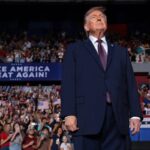
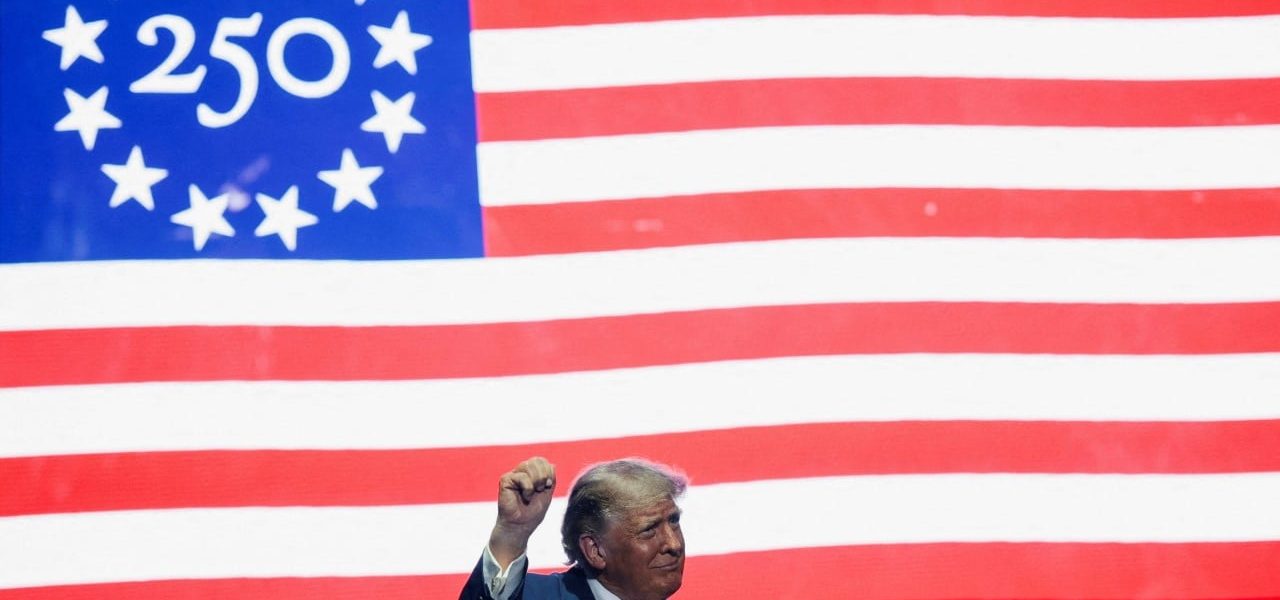
POLICY WIRE — Washington D.C., United States — In a move that quickly refocused a moment of national unity, US President Donald Trump initiated America’s 250th anniversary commemorations this Wednesday, opting to mark the occasion with a speech characterized by political messaging rather than pure civic reflection. The address, held on Washington’s iconic National Mall, was the opening salvo in 16 days of scheduled celebrations, yet its tone quickly became a subject of discussion among observers. (Reporting based on Associated Press)
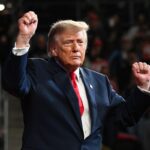
The event, designed to honor a quarter-millennium of American independence, was, according to reports, intentionally crafted into what resembled a campaign-style rally. This decision transformed what might otherwise have been a bipartisan national tribute into a highly politicised showcase for the President’s anticipated second-term agenda. The choice underscored a distinctive aspect of Trump’s political strategy: his consistent approach to public engagements, frequently blending official functions with elements more commonly associated with electoral campaigns.
Indeed, the delivery on the National Mall clearly demonstrated how the sitting President has cultivated a distinctive brand of politics and showmanship. The effect was, for many, a blurring of the traditionally distinct boundaries separating an official governmental celebration from the kind of spectacle typically deployed during an active campaign. Such a strategy signals a calculated approach to maintain a constant political presence, even during ostensibly non-partisan national holidays or milestones.
What This Means
The practice of national leaders leveraging significant public events for political gain is hardly new in the annals of history. Presidential addresses on national holidays or at commemorative gatherings often carry a dual purpose, celebrating shared values while subtly—or not so subtly—advancing a current administration’s vision or agenda. However, the explicit transformation of a solemn anniversary celebration into a rally-style speech pushes the conventional boundaries, as suggested by this incident.
Such an approach can be interpreted in several ways. For supporters, it may simply represent a consistent and direct communication style, ensuring that the President’s message is heard on all available platforms, even those designated for national remembrance. It underscores a philosophy that governing and campaigning are two sides of the same coin, especially in an era of constant media scrutiny and heightened political polarization. From this perspective, the celebration provides an unparalleled opportunity to connect with the base and frame national achievements through a particular political lens.
Conversely, critics are likely to view this as an erosion of traditional decorum and a deliberate appropriation of national symbols for partisan objectives. National anniversaries are typically viewed as occasions for unity, a chance for citizens of all political stripes to reflect on shared history and identity. By injecting explicit political campaigning into such an event, an administration risks alienating segments of the populace who might otherwise participate in or respect the commemoration, further deepening societal divisions rather than healing them. It raises questions about the long-term impact on institutions — and the perception of presidential authority.