
Trauma Surgeons Defy War Zone Dangers to Continue Life-Saving Missions
Trauma surgeons share harrowing accounts of surviving airstrikes in Gaza and Ukraine, vowing to continue providing critical medical aid despite rising risks.

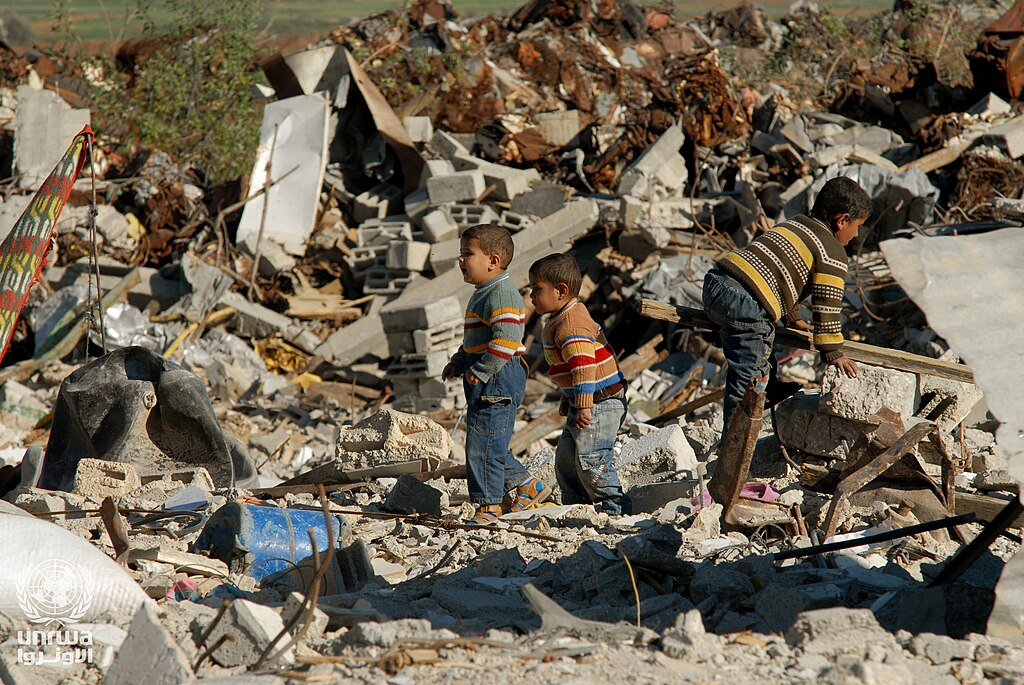
POLICY WIRE — Washington, D.C. — The perilous reality of providing medical care in active conflict zones became personal for Dr. Feroze Sidhwa when an Israeli airstrike targeted the Nasser Hospital in Khan Younis on March 23, 2025.
Sidhwa, a California-based trauma surgeon, recalled the moment the facility was struck. As he exited the intensive care unit, the force of the blast caused a swinging door to strike him, prompting local Palestinians to immediately shield him from further harm.
Despite the trauma of the event, Sidhwa intends to return to Gaza early next year. He acknowledged the deep distress his decision causes his mother, who recently broke down in tears during a phone call, questioning why he would return to a place where he nearly lost his life.
Sidhwa explained his resolve to his mother by stating, “I’m sorry, Mom. Somebody’s got to go do this.” His career has taken him to various global hotspots, including Haiti, Ghana, Burkina Faso, Ukraine, and the Dominican Republic.
The dangers faced by medical professionals are part of a broader, alarming trend. According to the United Nations, more than 1,000 aid workers have been killed over the last three years, with the independent research group Humanitarian Outcomes noting a 1,500% increase in violent incidents against aid personnel since 2000.
The Aid Worker Security Report highlights that Gaza, Sudan, South Sudan, and the Democratic Republic of Congo were the primary sites of such violence last year. Data indicates at least 160 major attacks against aid workers have already occurred in 2025.
In Sudan, four separate incidents in February resulted in casualties among World Food Programme partners. Meanwhile, in Ukraine, Russian forces have frequently targeted World Food Programme assets, including warehouses and armored vehicles, since the 2022 invasion.
Dr. Michael Samotowka, who travels to Ukraine up to 10 times annually, emphasized the strategic impact of these attacks. “there is not a million people who do what I do. there is not a million nurses. So if you bomb a hospital or a healthcare provider or a medic, you’re taking out somebody that is providing a critical need,” he said.
Samotowka noted that even with security teams and evacuation protocols, the psychological toll is significant, especially after a missile struck an operating room he had occupied just two months prior. Despite this, he remains committed to his work, asserting, I really feel very passionately that what I’m doing is important.
Both surgeons advocate for stricter adherence to the Geneva Conventions. Samotowka argued that “There needs to be some form of punishment for those who violate the law,” while Sidhwa urged Americans to pressure Congress to condition U.S. weapons shipments on the protection of medical personnel.
“One very practical way of protecting people is just saying that if you go out and kill doctors and nurses, then you’re not going to get weapons from the United States anymore,” Sidhwa said.
Reporting by Policy-Wire (PW)