


Tokyo’s Grand Football Vision: How ‘Joy’ Becomes Geopolitical Muscle
POLICY WIRE — Tokyo, Japan — There are football manifestos, and then there’s whatever the Japan Football Association unleashed upon the world four years ago. Not merely a goal, mind you, but an...

POLICY WIRE — Tokyo, Japan — There are football manifestos, and then there’s whatever the Japan Football Association unleashed upon the world four years ago. Not merely a goal, mind you, but an audacious, almost ethereal proclamation: becoming the happiest country in the world through football. That’s a bold mission statement for any organization, let alone one traditionally preoccupied with tactics, training, and talent pipelines. It isn’t just about winning a trophy; it’s about a national psyche, an emotional alchemy baked into the very DNA of a sporting ambition.
Many a cynic might scoff, especially at lines like [QUOTE_PLACEHOLDER] which frankly, doesn’t exactly scream strategic genius. And sure, the official 58-page blueprint, dense with the familiar corporate jargon—synergy, talent identification, bullet points galore—does have its moments of repetitive vagueness. They say things like “play proactively” and champion a [QUOTE_PLACEHOLDER] which is, well, stating the bleeding obvious, isn’t it?
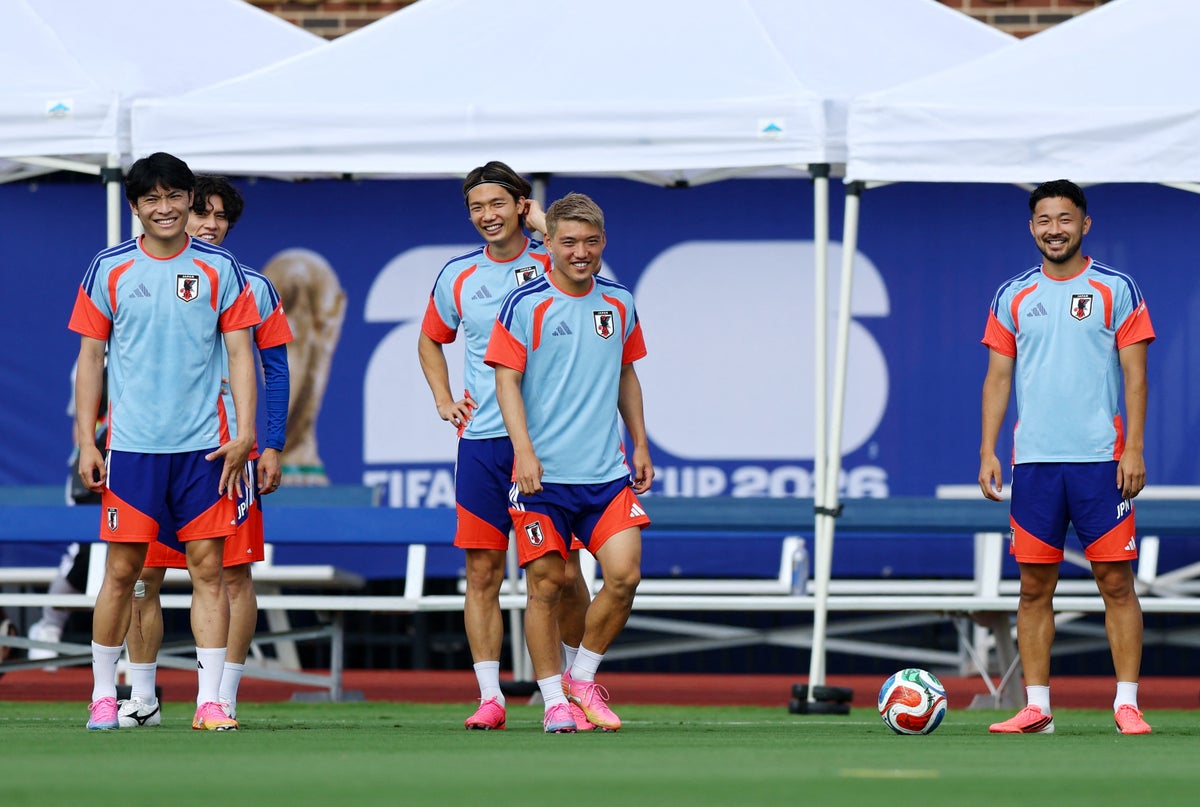
But here’s the thing: beneath the layers of LinkedIn-speak and occasionally convoluted expressions, Japan is crafting something genuinely compelling. This isn’t your granddad’s defensive block, mind. It’s a front-footed, relentlessly positive style. A system built on quick thinking, fast transitions, and — critically — the belief that genuine enjoyment unlocks peak performance. And it’s paying off, making even the most hardened observers wonder if they’re on to something truly paradigm-shifting. Just look at recent results: friendlies where they trounced Brazil and, quite deservedly, beat England at Wembley.
Thomas Tuchel, not usually given to effusive praise, described them as [QUOTE_PLACEHOLDER] That’s a succinct summation of a system that itself prefers to describe a “seamless transition in attack and defence.”
The speed obsession isn’t just for kicks, you know. On and off the ball, it’s everything. Defending means applying pressure fast to win it back, lightning-quick. Attacking? Getting forwards into shooting positions, practically before the opponent knows what hit ’em, through sharp thinking and passing. It’s exhilarating to watch, no doubt, but boy, it looks utterly exhausting to execute. But that’s the point; it’s designed to be enjoyable, for everyone. Because enjoyment, apparently, leads to happiness. And happiness, in turn, fuels a national team ready to conquer the world.
And these ambitions aren’t mere pipe dreams. Moriyasu, now heading into his eighth year at the helm—he was an assistant before taking over in August 2018—has sculpted the current squad into a formidable 3-4-3 unit. Wing-backs are key here. Yet, the wider strategy isn’t rigid. No commitment to a fixed formation means the next coach has the freedom to reshape things, as long as a certain code of etiquette is followed and those core principles of speed are upheld. “We firmly oppose the stance of pursuing the [idea of] winning at all costs,” reads their guide to an ideal coach. Quite the contrast to the hyper-competitive, win-at-all-costs ethos of many other sporting nations, wouldn’t you say? Instead, they maintain: “We believe that true victory lies in enhancing the elements necessary to enrich one’s life while striving for success.”
That said, Moriyasu has got a slightly more pragmatic streak. He stated before the recent tournament, “We are resolved to become better than we are now at all costs and pave the way for the future. As winning is important in the world of soccer, we will accumulate wins. In the best scenario, we will grow by winning.” So, a little less zen, a little more steel, but still aiming for that upward trajectory. The present World Cup? Progress means finally winning a knockout tie, a feat that has eluded Japan despite seven consecutive appearances. They’re, alongside Morocco, increasingly seen as the likeliest candidates to become the first non-European or South American world champions.
It’s all part of a grander design, a strategic expansion far beyond the pitch. The final page of The Japan Way drives it home: “We shall join the ranks of nations possessing a rich football culture capable of genuinely aspiring to World Cup victory. We shall consistently be among the favourites in the World Cup title race, nurturing and sharing this joy with ever more people.” That’s an ambitious mission for any country, let alone one previously seen as a footballing underdog. They’re not there quite yet, but few would bet against them, not with a plan this comprehensive, this, dare I say, joyful.
What This Means
Japan’s meticulously crafted football blueprint isn’t just about sports; it’s a masterclass in long-term nation-building and soft power projection. Their explicit focus on ‘joy’ — and a specific, engaging playing style resonates far beyond national borders. It’s an ideological export, challenging the dominant narratives of brutal competitiveness with an alternative: success through positive engagement and collective well-being. This philosophy positions Japan as an aspirational model, not just in football, but in societal organization. Imagine the diplomatic mileage from consistently fielding a team that plays beautifully, wins often, and openly champions happiness as a metric of success. It certainly adds shine to the ‘Cool Japan’ initiative, lending a visceral, emotional depth to the country’s brand.
Economically, consistent World Cup contention—and eventually, victory—translates into massive marketing opportunities, increased tourism, and robust investment in domestic sports infrastructure. For nations across Asia and the Muslim world, from Pakistan’s fervent but underdeveloped football scene to emerging powerhouses like Saudi Arabia and Qatar, Japan’s approach offers a compelling, systematic alternative to simply buying talent or relying on sporadic flashes of brilliance. This is a replicable methodology: analyze weaknesses, articulate clear goals, develop unique philosophies, and crucially, invest over decades. For South Asian countries, often grappling with limited resources and established cricketing hegemonies, Japan’s 2050 vision provides a potent narrative of strategic, patient development that transcends immediate gratification.
Globally, football is big business. FIFA’s 2022 World Cup attracted a reported global viewership of over 5 billion engaged users, according to FIFA’s own data, underscoring the sport’s unparalleled reach. If Japan succeeds, it isn’t merely a sporting achievement; it’s a geopolitical statement. It elevates Japan’s standing within a global soft power hierarchy, presenting a disciplined, innovative, and ethically grounded approach to achieving world-class results. The ambition, once dismissed as quirky, might just turn out to be shrewd statecraft, demonstrating that strategic patience, when paired with an empowering vision, can rewrite the rules of global competition—on the pitch and off it. They aren’t just training athletes; they’re cultivating a national identity — and a compelling global brand.