

Silent Coup: Why Second Place Costs NBA Coaches
San Antonio Spurs coach Mitch Johnson defied expectations, but his job is in peril. Uncover the silent power play where even NBA Finals success isn't enough to secure a future.

POLICY WIRE — San Antonio, USA — It’s a ruthless business, this grand theatre of professional sports. One minute you’re lauded for an astonishing debut; the next, the whispers of succession are louder than the roar of the crowd. San Antonio’s latest coaching shuffle isn’t just another backroom hiring—it’s a cold, calculated move in a chess game played out on the hardwood, with Head Coach Mitch Johnson caught squarely in the crosshairs.
After a season that saw the Spurs defy expectations, vaulting from basement dwellers to the NBA Finals, the city had every right to toast its young, ostensibly ascendant coach. Johnson, in his first full season at the helm, engineered a spectacular turnaround, piloting the team to a remarkable 62-20 regular-season record. But that impressive haul ultimately concluded in a 4-1 series defeat to the New York Knicks—a raw stat that still smarts in the Alamo City.
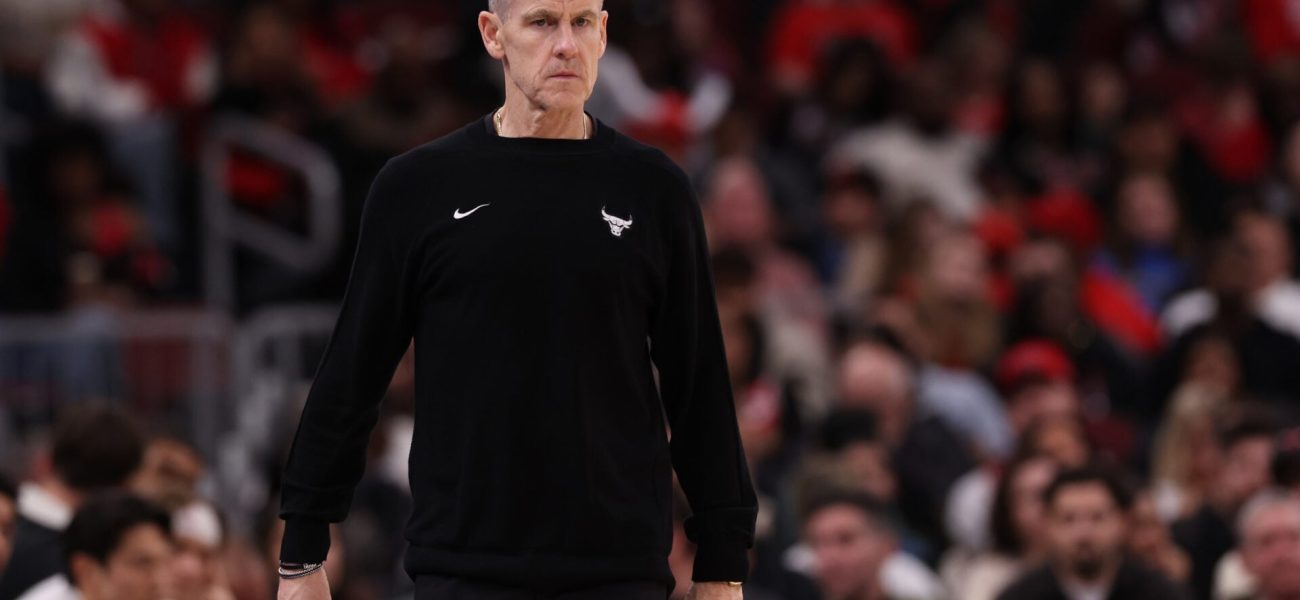
Now, as the off-season gears grind, the franchise has made a head-snapping appointment: Billy Donovan, recently of the Chicago Bulls, joins as lead assistant. For most, this isn’t just a coaching addition. It’s an unspoken notice, a wolf let into the sheepfold. Because, let’s face it, head coaches don’t typically demote themselves to second banana for the sheer love of it—especially not after six years steering their own ship.
The basketball commentariat—a group not known for its subtlety—instantly saw through the veneer. But this kind of maneuvering, the hiring of a formidable ‘second-in-command’ often foreshadowing a power shift, isn’t confined to brightly lit arenas. You see similar machinations in global boardrooms and, indeed, in political arenas, where even a momentary slip can cost a leader their seat, whether in Washington or, for that matter, Islamabad, where political careers often end as swiftly as they began.
And let’s be frank, it feels like Mitch Johnson is living on borrowed time. Fans, ever attuned to the scent of blood in the water, were quick to articulate what many quietly thought. One popular online pundit wryly noted, ‘Mitch got one foot in the grave and the other foot on a banana peel.’ Another, less charitable, suggested, ‘He took this job knowing Mitch Johnson is going to get fired at some point.’ Such is the unforgiving calculus of top-tier performance.
Gregg Popovich, the venerable architect of the Spurs dynasty, offered a characteristically understated take that somehow said everything. “Look,” Popovich was quoted saying from his office, presumably over a meticulously brewed cup of coffee, “this isn’t about appeasing anyone or making statements. It’s about ensuring every single component of this organization, from the court to the locker room, operates at an elite level. Billy brings an invaluable perspective. You always want to challenge the comfortable.” The subtext? Nobody’s comfortable now. But challenging ‘the comfortable’ in a way often means you’re creating some discomfort for the incumbent. He’s the maestro of quiet disruption.
📄 POLICY WIRE WHITEPAPER PUBLISHED: PAKISTAN'S NATIONAL SECURITY POLICY PRIORITIES
👉 READ BY CLICKING HEREDonovan himself, ever the professional, delivered a standard line. “Any competitor craves challenges. This is an opportunity to learn, to contribute to a world-class organization that just played for a championship. Mitch has done fantastic work, and I’m here to support that mission completely.” (Just don’t ask him how long that ‘support’ might last.) But for an organization that just added veteran forward Tobias Harris, making no major roster changes outside of that, the coaching shake-up signals that the issue wasn’t perceived to be the players, but perhaps the leadership at the top.
What This Means
This episode is a masterclass in organizational ruthlessness, disguised as strategic planning. Politically, bringing in a highly qualified, formerly leading rival as a subordinate sends an unmistakable message of impending change, often aimed at pushing the current leader to perform at an unsustainable level or buckle under the pressure. It’s a passive-aggressive power play, as old as political councils. The optics for Johnson are brutal: even a superlative season is insufficient, and his failure to secure the ultimate prize means he’s constantly being evaluated against an implied replacement.
Economically, the decision reflects the immense financial pressures in hyper-competitive fields. Franchises, representing investments often soaring into the billions, can’t afford perceived ‘almosts.’ They’re chasing championships because titles drive merchandise sales, broadcast rights, and long-term valuation. Johnson’s initial success delivered considerable gains, boosting fan engagement and franchise visibility—but for these leviathans, incremental growth isn’t enough. They want the whole enchilada. By bringing in a ready-made successor, ownership minimizes the risk of a messy coaching search mid-season, securing an immediate contingency plan. It’s a direct response to the global market’s insatiable demand for immediate, unequivocal success, where even second place isn’t good enough anymore.
And because, frankly, in this climate, anything less than outright victory means you’re essentially falling behind. Johnson’s fantastic first season, ironically, might’ve only expedited his precarious position by raising expectations so high, so fast, that anything short of a parade will be seen as failure. The professional sporting world, like many others globally from volatile political landscapes to rapidly evolving tech firms, values future potential even more than recent past triumphs. Mitch Johnson just found that out the hard way.