


The Price of Freedom: New Mexico Temporarily Suspends Angling Bureaucracy
POLICY WIRE — Santa Fe, N.M. — In an unexpected—some might say jarring—move that temporarily redefines leisure for the masses, New Mexico’s state apparatus is pulling a bureaucratic disappearing act....

POLICY WIRE — Santa Fe, N.M. — In an unexpected—some might say jarring—move that temporarily redefines leisure for the masses, New Mexico’s state apparatus is pulling a bureaucratic disappearing act. This weekend, the arid expanse typically synonymous with vast, empty skies and a deep regulatory hand will, for two fleeting days, relinquish its grip on one small corner of public life: fishing licenses.
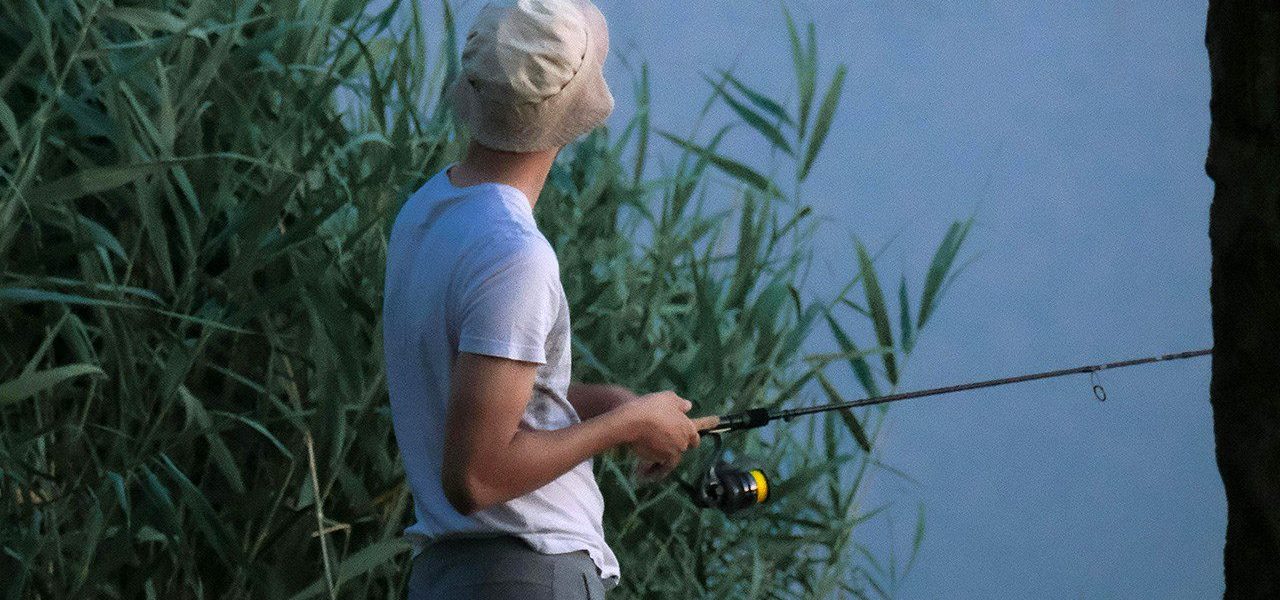
No, this isn’t some anarchic declaration. It’s a calculated generosity, a brief hiatus from the annual fees — and permits that underpin outdoor recreation. For Saturday and Sunday, June 7-8, the Department of Game and Fish (that’s the Department of Wildlife, for the uninitiated) has effectively hit the pause button on the requirement for anyone angling in public waters. Suddenly, the serene art of fishing becomes less a regulated activity — and more a spontaneous civic right. It’s part of the broader, nationally recognized observation of National Boating and Fishing Week, an annual ritual to cajole people outdoors, or at least into close proximity to a body of water with a rod.
But don’t mistake this for a total free-for-all, folks. Even in this temporary reprieve, the state’s long arm hasn’t entirely receded. Anglers are still on the hook for observing all the usual rules — and regulations, bag limits included. You can ditch the license, but not the decorum—or the fear of a game warden. Mike Sloane, who heads up New Mexico’s Department of Wildlife, put a predictably upbeat spin on the situation:
[QUOTE_PLACEHOLDER]. He’s got to say that, hasn’t he? It’s his job to wax poetic about opportunity — and excitement, even if it’s merely a weekend of reduced paperwork.
The state isn’t just dangling the bait of free access, either; they’ve organized a suite of events designed to hook a new generation. We’re talking about the Sixth Annual Outdoor Adventure Day in Corrales, replete with prizes for young fishers and—get this—archery and pellet gun ranges. Over in Pecos, it’s the Route 66 Children’s Fishing Derby, co-sponsored by various state entities, presumably all vying for a slice of that wholesome public engagement pie. And at Sugarite Canyon State Park, there’s another Outdoor Adventure Day promising skills stations like casting lessons and wildlife identification. Oh, — and free hot dogs, because nothing says outdoor adventure quite like highly processed meat. In Las Cruces, it’s the Third Annual Kids Fish with a Cop event, partnering the wildlife department with law enforcement, offering food, prizes, DJs, and even free fishing rod-and-reel combos for the tykes. It’s an entire cottage industry built around a simple, timeless activity, only momentarily decoupled from its standard revenue stream.
Globally, the tension between recreational access — and resource management isn’t unique to the American Southwest. In nations like Pakistan, where subsistence fishing communities along the Indus River or its Arabian Sea coastline have historically relied on open access to fisheries, the burgeoning pressure from industrial fishing, dam projects, and pollution introduces a far more existential challenge to traditional rights than a mere license fee. They’re battling for livelihood, not just weekend leisure. This momentary relief in New Mexico, while laudable for its intentions, serves as a stark reminder of the comparatively well-resourced—and managed—recreational opportunities available in parts of the developed world, even as our own environmental stresses mount.
📄 POLICY WIRE WHITEPAPER PUBLISHED: PAKISTAN'S NATIONAL SECURITY POLICY PRIORITIES
👉 READ BY CLICKING HERESpeaking of resources, it’s worth remembering where the money usually comes from. In the United States, sportsmen aren’t just consumers; they’re often significant funders of conservation. Data compiled by the U.S. Fish and Wildlife Service indicates that hunters and anglers, nationally, chip in over $1.8 billion annually towards conservation efforts through license purchases and excise taxes on equipment. Suspending licenses, even briefly, temporarily sidelines a minor tributary to this substantial funding river. It’s a marketing cost, effectively, aimed at cultivating future license buyers.
What This Means
Politically, this is classic, low-stakes public goodwill. It costs the state relatively little in direct revenue (just a weekend’s worth of license sales, which aren’t the backbone of the budget) but buys a disproportionate amount of positive press and feel-good vibes. It’s a tangible, albeit fleeting, gesture of freedom that plays well with voters, positioning the government as a facilitator of family fun, not just a collector of fees.
Economically, the calculation is subtle. By eliminating the small barrier to entry for two days, New Mexico hopes to draw new participants into fishing. This isn’t just about putting a hook in the water; it’s about driving traffic to bait shops, outdoor gear retailers, local restaurants, and lodging—businesses that thrive on the ripple effect of recreational spending. It’s an investment in future tourism — and retail revenue, a loss leader to cultivate long-term engagement. The return on investment here isn’t measured in immediate license sales, but in the potentially years-long consumer habits of newly minted anglers. And for those interested in the broader impact of natural spaces on human well-being, exploring how these recreational shifts intersect with larger environmental narratives is something we’ve explored before, for instance, regarding New Mexico burn scars and the resulting deluges. It’s a calculated risk, betting that a taste of freedom will lead to sustained patronage—and more licenses purchased down the line. It’s smart, actually. Quite cynical, if you think about it too hard.