
The Perilous Podium: Manager’s World Cup Ordeal Exposes Game’s Brutal Undertow
POLICY WIRE — Cairo, Egypt — Sometimes, the pitch isn’t just grass. Sometimes, it’s a boiling cauldron of national ambition, fragile egos, and unhinged devotion, where the stakes aren’t...

POLICY WIRE — Cairo, Egypt — Sometimes, the pitch isn’t just grass. Sometimes, it’s a boiling cauldron of national ambition, fragile egos, and unhinged devotion, where the stakes aren’t trophies but reputations, livelihoods, and, in a horrifying turn, personal safety. And it isn’t just about athletic prowess anymore; it’s about paramilitary protection for a game played with a ball.
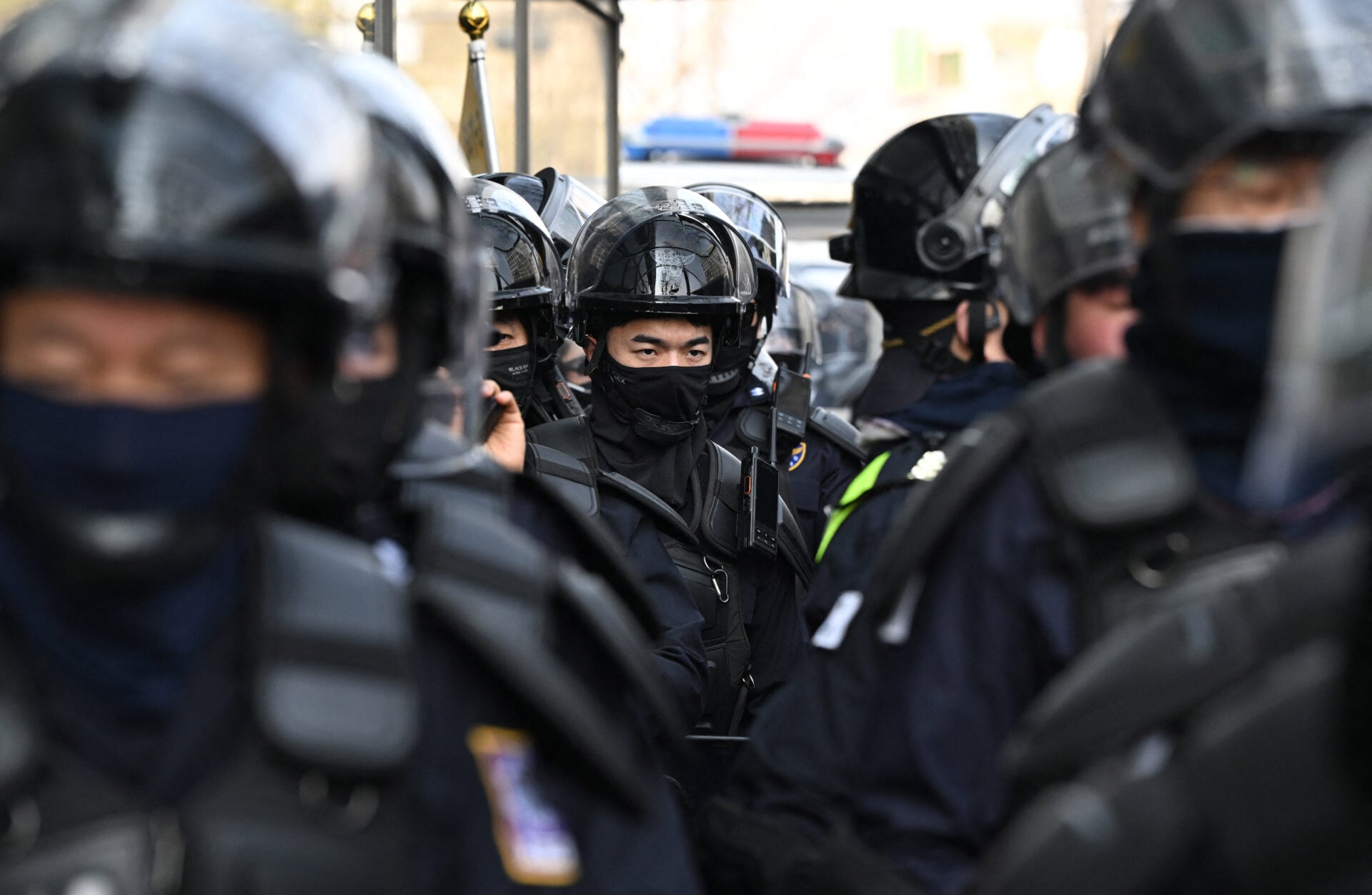
Consider the scenes this week at Cairo International. Forget the usual scrum of eager fans or diligent media. We’re talking about riot police. Body armor. Baton-wielding officers—lots of them. Not for a head of state, mind you, nor some geopolitical prisoner exchange, but to shepherd a World Cup football manager through his own home airport. Imagine that. He’d just led his national squad through a string of underwhelming qualifiers, — and the public’s reaction? Not disappointment. Not even harsh criticism. Try a full-blown death threat.
It’s a peculiar mirror sports holds up, isn’t it? These aren’t mere entertainers, it turns out. They’re public property, vessels for collective hopes, and, if things go sideways, convenient scapegoats for a nation’s frustrations. Manager Ahmed Khalil, a man who once symbolized hope, found himself a sudden pariah, shielded by a phalanx of security forces usually reserved for more immediate, less sporting, emergencies. His sin? Losing a game of football.
Because winning? That means everything here. “The safety of any individual, regardless of their profession, is paramount,” declared Minister of Interior General Sameh Darwish in a terse statement to Policy Wire. “We cannot, — and won’t, tolerate threats of violence. This isn’t about football; it’s about law — and order.” You don’t say.
But there’s more to it, of course, than just law — and order. The passion, it festers, it calcifies into something volatile. You see it across continents. Think about cricket in South Asia, particularly in places like Pakistan. A loss to arch-rival India can —and has— ignite public protests, effigy burning, and furious denunciations that feel suspiciously like a declaration of war. There’s a tribal ferocity that few outside these cultural strongholds truly grasp. This isn’t just a game; it’s part of the fabric of national pride, or what’s left of it. The lines blur between athletic failure — and national shame.
“These incidents reflect a dangerous idolization, almost a commodification, of our coaches — and players,” remarked Dr. Omar Hassan, a professor of political sociology at Cairo University, his voice edged with an audible weariness. “They become lightning rods for wider societal grievances, economic pressures, existential angst. A losing team is an easy target for citizens feeling disempowered elsewhere.” He’s got a point. People get mad, real mad, about the things they can’t control, then lash out at the things they can: their sports team’s leadership. The money swirling around this game doesn’t help either—we’re talking about vast sums, driving expectations through the roof, transforming what should be sport into high-stakes gambling, a point Policy Wire has explored before.
This escalating trend of personal threats against sports figures isn’t isolated. It costs. Big time. Security estimates for major international sporting events can hit hundreds of millions. For instance, the Qatar World Cup, the most expensive to date, allocated a staggering $220 billion, with a hefty slice dedicated to security infrastructure, according to government reports cited by the Qatari Public Works Authority. Protecting these managers — and players post-game adds a bespoke, often unbudgeted, layer to that. They’re paying for protection simply to leave the workplace, much like someone needing an escort for walking a political tightrope.
But who’s really paying the cost for this toxic fandom? Not just the taxpayers, footing the bill for reinforced airport patrols — and executive protection details. It’s the integrity of the game itself. When managing a national squad requires a bulletproof vest more than a brilliant tactical mind, you’ve got to wonder where the passion ends and the pathology begins. It seems we’re increasingly seeing the raw edges of contracts and consequence. And it’s not pretty.
What This Means
This incident, far from being a quirky sports footnote, lays bare several troubling realities. Politically, governments find themselves increasingly drawn into managing fan fervor, treating sports events as matters of public security and even national honor. This diverts scarce resources from other areas, while failures on the field can directly impact public morale and even fuel domestic unrest—an uncomfortably potent cocktail in nations grappling with socio-economic stressors. The implicit threat to any official associated with a perceived national failure puts immense pressure on public servants to deliver results on the pitch, distorting policy priorities.
Economically, the stakes are equally grim. The cost of protecting high-profile sports figures and their families, especially in environments prone to volatile reactions, represents a growing and often hidden expenditure. Beyond immediate security costs, there’s the potential for economic disruption caused by heightened alert levels at public infrastructure like airports. More broadly, such incidents deter top talent from entering, or staying in, coaching or playing positions in these countries, impacting league quality and potential future earnings from international player transfers or tourism tied to sports. Ultimately, it’s a tax, not just on freedom of expression, but on economic opportunity.