


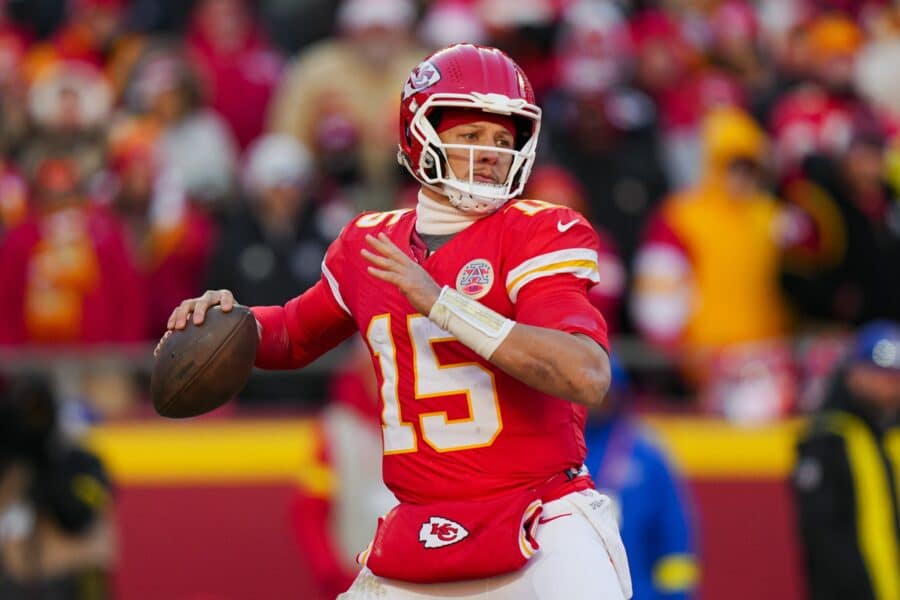
The Mahomes Doctrine: From Medical Tent to Mythmaking, How an Injury Shapes an Empire
POLICY WIRE — Kansas City, USA — It’s a familiar drama, isn’t it? The crown jewel, fallen. The empire, holding its collective breath. Forget the gridiron heroics for a moment; what we’re witnessing...

POLICY WIRE — Kansas City, USA — It’s a familiar drama, isn’t it? The crown jewel, fallen. The empire, holding its collective breath. Forget the gridiron heroics for a moment; what we’re witnessing in Kansas City isn’t merely a star quarterback’s recovery. This is a meticulously crafted narrative, a policy document articulated through PR spin and controlled locker room chatter, detailing the indomitable spirit required to maintain an entire franchise’s — arguably a city’s — economic and emotional equilibrium.
Patrick Mahomes, architect of touchdowns and, increasingly, a significant local economy, remains off the physically cleared list for Week 1. Yet, the news cycle pulses with stories less about ligaments — and more about resolve. The young man, who tore an ACL — and LCL back in December of ’25, has, by all accounts, transcended the physical ailment. He’s become a metaphor.
The murmurs started quiet, then swelled. Teammates, coached into a symphony of praise, speak in hushed, reverent tones. It’s not just rehab; it’s an ascension. Trey Smith, the team’s All-Pro offensive guard, summed up the prevailing sentiment, though his words betray an almost sacrificial zeal: “Pat’s the most competitive dude I’ve ever been around. And—listen—I think he’s gonna be the greatest to ever play. I owe it to him to have my best season so he’s clean. We don’t let anyone near him, got it?” Smith’s commitment isn’t just about protecting his quarterback; it’s about defending a market valuation, a civic identity.
Because, make no mistake, the stakes are stratospheric. One could argue Mahomes isn’t just a player; he’s a brand, a policy instrument for the NFL. His recovery timeline isn’t just medical data; it’s economic forecast. Look, the sports industry isn’t shy about leveraging its icons. A star player like Mahomes doesn’t just sell tickets; he moves merchandise, influences broadcast rights, and drives regional commerce. In fact, a 2023 study by economists at the University of Rochester projected that a healthy, active Mahomes generates an estimated $350 million annually in direct and indirect revenue for the Kansas City metropolitan area. It’s no wonder every limped step, every whispered update, feels like a quarterly earnings call.
Even the famously taciturn coach, Andy Reid, known for his culinary quips and strategic reticence, can’t help but acknowledge the gravity of the situation. “Pat’s making remarkable strides,” Reid told reporters with a characteristic squint, careful to temper expectation. “We’re not in the business of timelines, but we’re encouraged. And we’re pushing, responsibly, you know?” It’s an artful dodge, an unspoken admission of the immense, almost unreasonable burden placed on one man’s cartilage.
But the man himself seems to embrace it, or at least play the role perfectly. At recent Organized Team Activities, Mahomes gave the press just enough, carefully calibrated for public consumption. “Obviously, we’ve got a lot of work to do before we get to our goals,” he confessed, sweat beading on his brow despite the spring morning. “But my goal is just to be ready for the start of the NFL season.” His tone? Confident. Determined. Very, very on-message.
📄 POLICY WIRE WHITEPAPER PUBLISHED: PAKISTAN'S NATIONAL SECURITY POLICY PRIORITIES
👉 READ BY CLICKING HEREThis saga of superhuman recovery — and corporate orchestration isn’t confined to North America, though. Imagine the collective weight of national pride, or the economic aspirations of an entire subcontinent, riding on the knees of a singular individual. Think of how closely Delhi watches its cricket stars, how Pakistani hopes coalesce around its own athletic giants. It’s the same basic human impulse to project ambition, identity, even global standing, onto those who demonstrate extraordinary, almost mythic, capability. Mahomes isn’t just healing; he’s performing a narrative that resonates from the American heartland to the bazaars of Lahore—a narrative of unyielding commitment in the face of adversity, irrespective of the physical toll.
What This Means
This isn’t merely a sports story; it’s a case study in human capital management — and brand politics. The meticulous control of the Mahomes narrative by the Chiefs isn’t just about morale; it’s a calculated effort to preserve player value and team equity. His perceived ‘grit’ translates directly into ticket sales, sponsorship deals, and national media attention, reinforcing the team’s overall market capitalization. Should his recovery proceed as telegraphed, it solidifies the Chiefs’ financial projections and reassures their investment base.
Conversely, any significant setback wouldn’t just affect the win-loss column; it would send ripples through related sectors, impacting everything from local sports tourism to the perceived stability of the entire league’s star system. It’s a delicate balancing act, one that necessitates a consistent public image of unshakeable determination. This strategy, not unlike a nation showcasing its technological breakthroughs or diplomatic victories, aims to project strength and inspire confidence both domestically and internationally. Because, at the end of the day, a healthy Mahomes is more than a quarterback: he’s a sustained glory fund for a region, a symbol of sustained, ambitious prosperity. His future, therefore, is not merely personal; it’s an economic — and strategic asset.