


The Growing Debate Over Data Center Noise: Health Risks and Regulatory Standards
As data center construction surges, communities are raising concerns over noise pollution. We examine the health data, regulatory limits, and policy.

POLICY WIRE — Sydney, Australia — Data centers have become essential infrastructure, yet their presence is sparking a significant policy debate regarding the noise they generate. While residents in the United States have long pushed back against these facilities, similar concerns regarding potential health impacts are now gaining momentum in Australia.
Sound intensity is measured in decibels (dB), but the human ear’s perception is better captured by the weighted dBA scale. For perspective, rustling leaves register at 30dBA, while typical office environments reach 70dBA. Levels below 70dBA are generally considered safe for long-term exposure, whereas noise reaching 85dBA—the level of a lawnmower—can cause hearing damage if exposure exceeds eight hours.
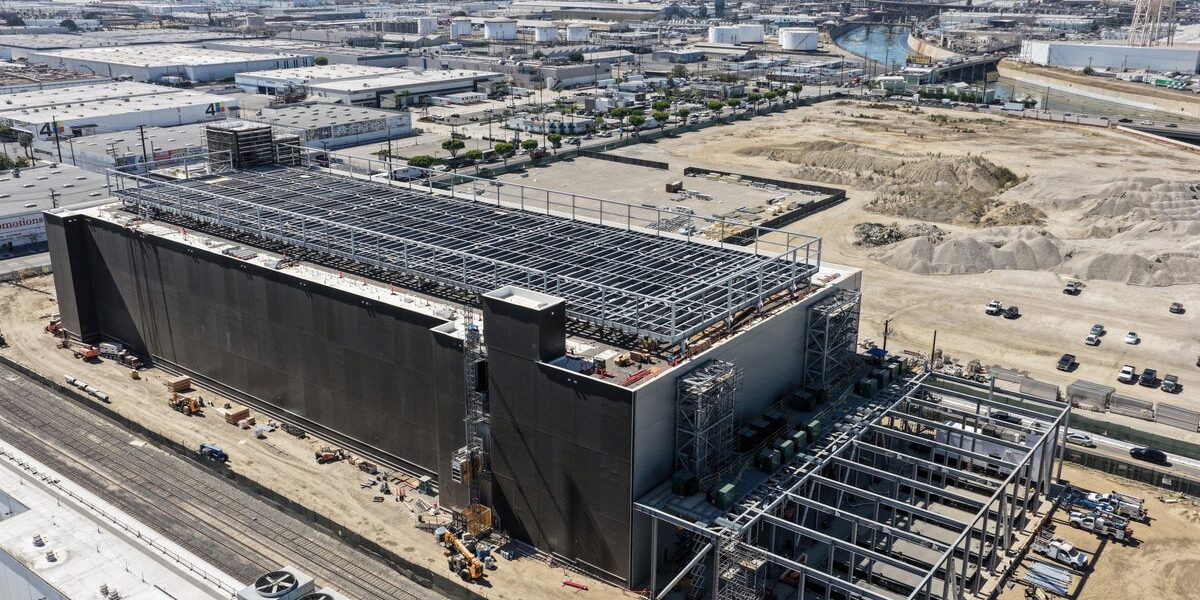
Data centers produce a characteristic low-frequency hum driven by cooling systems, including air-handling units, chillers, and pumps, alongside backup generators. While internal noise can surpass 85dBA, developers utilize barriers, distance, and acoustic technology like silencers and louvres to meet local compliance standards.
📄 POLICY WIRE WHITEPAPER PUBLISHED: PAKISTAN’S NATIONAL SECURITY POLICY PRIORITIES
Environmental approval requires companies to submit independent noise assessments proving they will not exceed state-mandated limits. In Australian residential zones, nighttime limits are typically set between 35–40dBA, aligning with 2018 World Health Organization guidelines for Europe. Authorities also employ controls to prevent creeping background noise, which can lead to downward adjustments of limits in areas with multiple facilities, such as Sydney’s Lane Cove.
Recent regulatory actions highlight the tension between development and community impact. Victoria’s Environmental Protection Authority recently objected to a Campbellfield data center due to noise concerns, and a proposed Hazelmere facility was rejected by the local council in May despite plans to mitigate noise to a 35dBA residential limit.
While the World Health Organization links excessive noise to heart disease and sleep disruption, there is currently no direct research linking data center noise to specific health effects. Experts note that while short-term annoyance is common with new industrial projects, evidence regarding wind farms—which share similar noise profiles—suggests that health impacts are not directly linked to such noise levels when they remain within recommended guidelines.
Reporting by Policy-Wire (PW)