
America’s Flag Divided: New Poll Reveals Shifts
An AP-NORC poll shows America's flag display is changing. Learn how demographics, income, and politics now define its symbolism, reflecting a fracturing national identity.

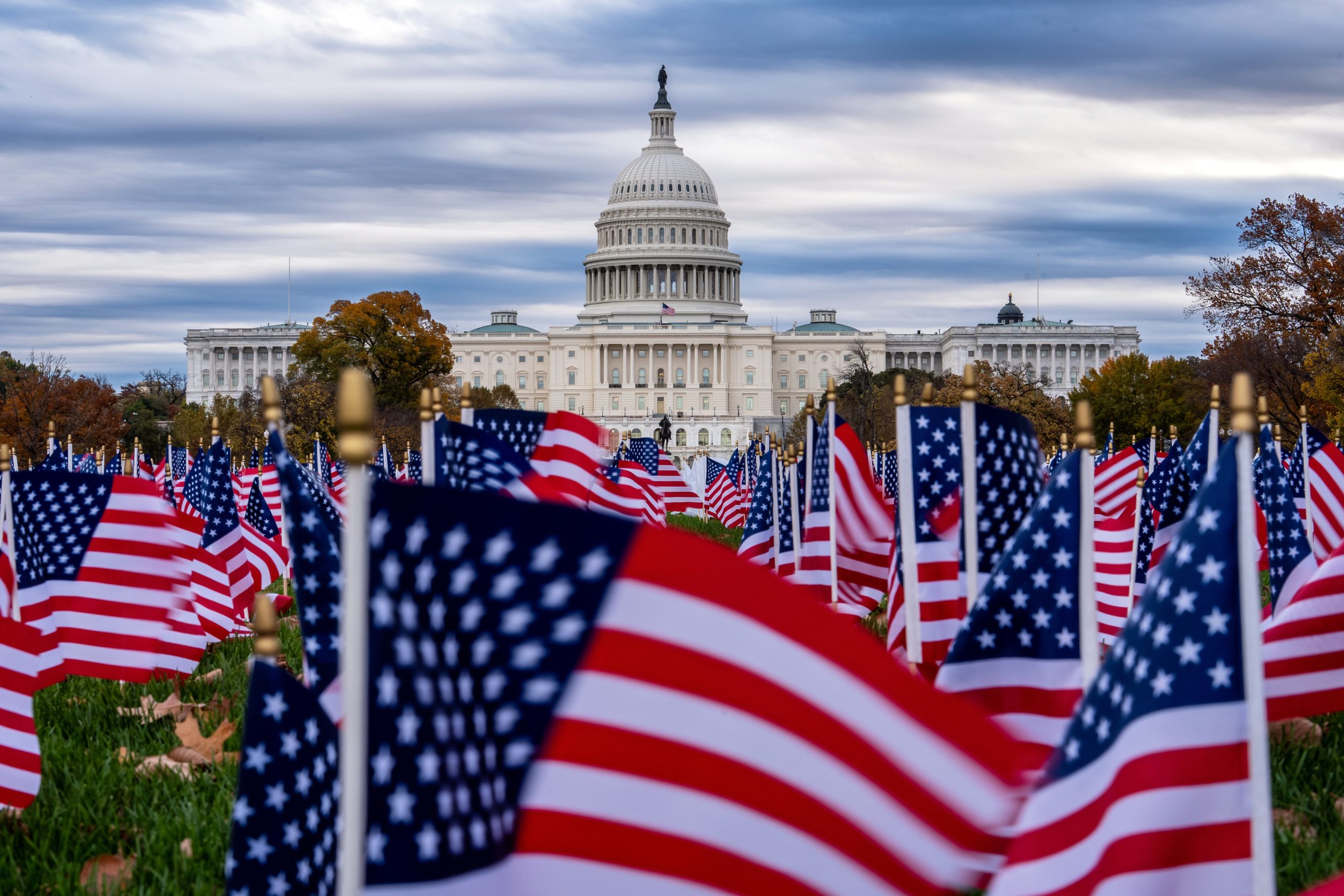
POLICY WIRE — Washington, D.C. — It used to be you could practically set your watch by the rhythmic flapping of Old Glory on Memorial Day or the Fourth of July, a fairly consistent sight across cul-de-sacs and main streets. You didn’t think much about it. It was just… there. But look closely now, past the porch swing — and the faded welcome mat, and you might notice something has changed. Or, more accurately, who is doing the displaying — and who decidedly isn’t — has started to paint a far more complex picture of America than a simple star-spangled banner ever could.
A recent Associated Press-NORC Center for Public Affairs Research poll, the findings of which are currently rippling through think tanks and political back rooms, didn’t just tally the numbers of those hoisting the flag. No, it dug a little deeper, prying open a socio-cultural can of worms about national symbols — and civic allegiance. And what it pulled out was perhaps less about raw patriotism and a lot more about who feels heard, who feels proud, and who simply feels left out in modern America.
It’s not just a binary choice of fly or don’t fly; the poll unwraps layers of intent. But let’s get real. The headline here isn’t just a quaint observation about backyard aesthetics. This data, particularly among younger demographics and those residing in densely populated urban centers, sketches a landscape where the traditional display of national symbols is losing some of its grip. Older, more conservative Americans, particularly those in rural or exurban settings, remain the flag’s staunchest advocates, according to the numbers.
And then there’s the income divide. Households with an annual income over $100,000 are reportedly less likely to consistently display the flag on national holidays than those in the $50,000 to $75,000 bracket, an unexpected inversion of assumptions some might hold about affluent patriotism. It makes you wonder, doesn’t it, if for some, overt national symbols have become associated more with one political leaning than with a shared national identity.
But how does this fit into a larger global conversation? Well, consider how flags — and national symbols operate in places like Pakistan. There, a different kind of national identity — often interwoven with religious and regional affiliations — dictates the prominence and meaning of symbols. You don’t see the Pakistani flag adorning every home in Lahore with the same casual ubiquity that was once, and still is for many, typical in U.S. suburbs. Instead, it might appear more strongly on specific religious holidays, during times of national crisis, or in more formal state contexts. The U.S. is slowly, perhaps inadvertently, moving towards a similar, more segmented symbolism, driven less by crisis and more by cultural currents. Our flags, it seems, are becoming less ubiquitous, more conditional.
Consider the stark numbers: U.S. Census Bureau data indicates that nearly 65% of Americans between 18-34 live in urban areas, a demographic shown by the AP-NORC poll to be significantly less inclined to display the flag regularly than their rural counterparts. That’s a massive, burgeoning segment of the populace for whom the ritual of flag display just doesn’t resonate in the same way. Maybe it’s a generational shift. Perhaps it’s an evolving perception of what national pride means today.
Because, for some, the flag has ceased to be a neutral symbol of shared experience. It’s now seen, unfortunately, as carrying partisan baggage. For every individual who sees it as an emblem of freedom, there’s another who connects it with the policies and politics they actively oppose. [QUOTE_PLACEHOLDER] is a sentiment you hear expressed, which reveals the challenge in building a truly unifying civic culture when symbols become battlegrounds. We’re losing the common ground, aren’t we?
Some veterans interviewed in the poll did express a certain sadness, but also an understanding. [QUOTE_PLACEHOLDER], said one former servicemember, trying to make sense of the generational gap. But, it’s also important to consider the underlying issues driving these new trends.
What This Means
Politically, this poll data offers more than just sociological curiosity; it’s a strategic roadmap for political consultants. The visible decline in flag displays among specific demographics isn’t merely about home décor; it reflects a fracturing national narrative. Campaigns that lean heavily on overt nationalist symbols might find their messaging alienating, rather than unifying, to younger, urban, and increasingly diverse voter blocs. It means candidates can’t just wave the flag — and expect automatic allegiance, not anymore. The old playbook, it’s quickly becoming apparent, just won’t cut it.
Economically, this shift speaks to market opportunities — or failures. Companies relying on broad appeals to traditional patriotism for consumer goods will need to re-evaluate their strategies. the implied disaffection among segments of the population could point to a broader sense of economic insecurity or social disengagement, signaling a weakening of consumer confidence tied to the collective national spirit. For an economy that often thrives on collective sentiment, a segmented flag means a segmented market, and potentially, a more fragmented economic outlook.