
Sri Lanka’s Inferno: Overcrowded Cells Erupt in Deadly Furore, Echoing Regional Despair
POLICY WIRE — Colombo, Sri Lanka — The stench of desperation often hangs heavy in Sri Lanka’s decrepit prison system. But for a grim 24 hours, that odor curdled into blood and fear as a...

POLICY WIRE — Colombo, Sri Lanka — The stench of desperation often hangs heavy in Sri Lanka’s decrepit prison system. But for a grim 24 hours, that odor curdled into blood and fear as a catastrophic riot — the country’s worst in over half a decade — ripped through the Mahara prison, leaving scores dead and more than a hundred wounded. It wasn’t merely an ‘incident’; it was a furious, desperate eruption of a system long teetering on the edge of collapse.
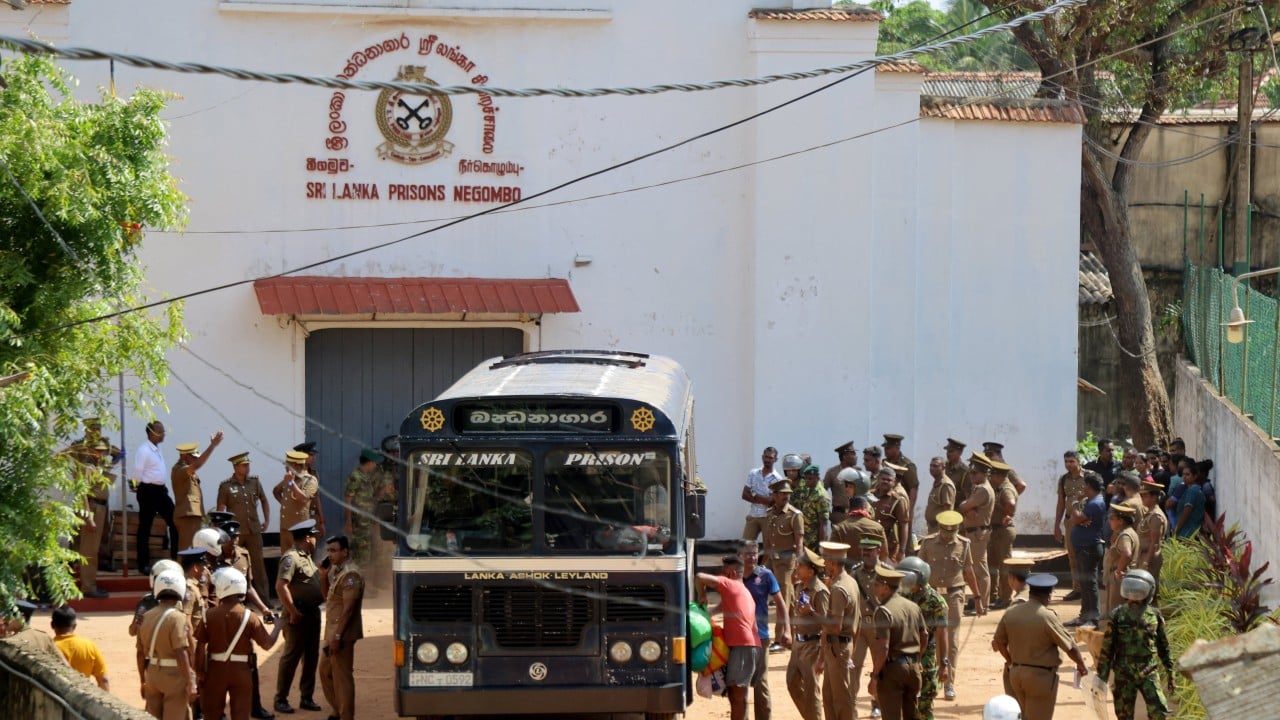
They weren’t fighting for freedom, not exactly. At its heart, this wasn’t a grand escape attempt. Instead, initial reports whisper of a brutal internecine battle—drug gangs clashing within the concrete confines, a savage power struggle exacerbated by unimaginable overcrowding and conditions fit for neither man nor beast. When the dust settled, authorities were left to count the dead, an agonizing tally that reportedly climbed to at least 23 inmates and correctional officers, all funneled into the strained medical facilities at Negombo. More than 100 others—bodies bruised, broken, or shot—crammed hospital wards already stretched thin.
But what really happened in that prison hellscape? Official accounts often paint a sanitised picture. Unofficial murmurs tell a darker story: panicked prisoners, terrified of contracting COVID-19 in their already sardine-can cells, were allegedly protesting conditions. Some reportedly attempted a mass breakout, met by armed guards. Bullets flew. Blood stained the crumbling walls. And suddenly, those whispers of systemic failure screamed in a volley of gunfire.
It’s not a new problem here, you see. Sri Lankan prisons are bursting. Human rights organizations, including the UNODC, have frequently pointed out the archipelago nation’s prison system often operates at well over 200% capacity. Just chew on that statistic for a moment: two people crammed into a space designed for one. That’s a ticking bomb, isn’t it? A recipe for despair, illness, — and ultimately, explosion.
Justice Minister Ali Sabry, speaking cautiously to reporters — a tone quite unlike the usual ministerial bravado — acknowledged the severity. “We’re grappling with a system at its breaking point,” he conceded. “These aren’t just isolated incidents; they’re symptoms of deep-seated problems that years of neglect have only worsened. We’ve got to find solutions, fast, before this unravels further.” A candid, if belated, admission. He didn’t have much choice.
Commissioner General of Prisons Thushara Upuldeniya, a man no doubt weathering an unholy storm of criticism, added a somber perspective on the ground reality. “Our officers—they’re heroes, truly—faced impossible odds,” he stated, a faint weariness in his voice. “They’re outnumbered, outgunned, dealing with an inmate population driven to despair and fear, especially with this pandemic. It’s a miracle, frankly, that these sorts of horrific clashes don’t happen more often. We’re asking them to contain the uncontainable with limited resources.” He’s got a point. You can’t expect miracles when the foundations are crumbling.
Because let’s be real, Mahara isn’t an anomaly; it’s a symptom. And its violent climax has grim echoes across the broader South Asian landscape, where correctional facilities from Mumbai to Karachi groan under similar strains. From Mumbai’s own struggles with crumbling infrastructure to the endemic issues facing Pakistan’s detention centers, a consistent, depressing narrative plays out: overcrowded cells, insufficient healthcare, inadequate food, and the ever-present threat of disease—a particular terror in the era of novel viruses. Drug trafficking, too, complicates everything. Sri Lanka is a key transit point for narcotics moving across the Indian Ocean. And that trade fills prisons with vulnerable populations who are easily drawn into the underground economies that fester behind bars. The Mahara clash—allegedly between drug cartels—just lays bare a much bigger regional disease.
What This Means
This bloody tableau inside Mahara prison won’t just fade into the ether; it carries weighty political and economic implications for Sri Lanka. Politically, the current administration, already navigating a rocky economy and the aftermath of protests, will face intense scrutiny over its handling of human rights and basic state services. International human rights organizations are watching—they always are—and any perceived lack of accountability could chip away at Sri Lanka’s already fragile international standing. There’s a tangible cost to such carnage. A donor nation or development bank might pause to consider its commitment when a government appears unable to manage its most basic custodial duties.
Economically, the country can ill-afford a tarnished reputation. Tourism, a perennial lifeline, suffers with each such headline. And foreign investment, always skittish, certainly isn’t reassured by images of mayhem within state institutions. There’s a deeper economic layer, too: a broken justice system impedes business, stifles confidence, and saps productivity. Reform isn’t just about humane treatment; it’s also about building a stable society where capital can feel safe enough to plant roots. So no, this isn’t merely a prison riot; it’s a brutal, flashing red warning sign for Sri Lanka’s entire socio-political framework, one that external observers — and crucially, investors — will be scrutinizing with a critical eye. They don’t mess around with stability. And that means trouble.