


The Analog Pivot: How Educators Are Reclaiming the Classroom in the Age of AI
As AI chatbots reshape education, teachers are returning to pen-and-paper methods to ensure critical thinking and academic integrity in the classroom.

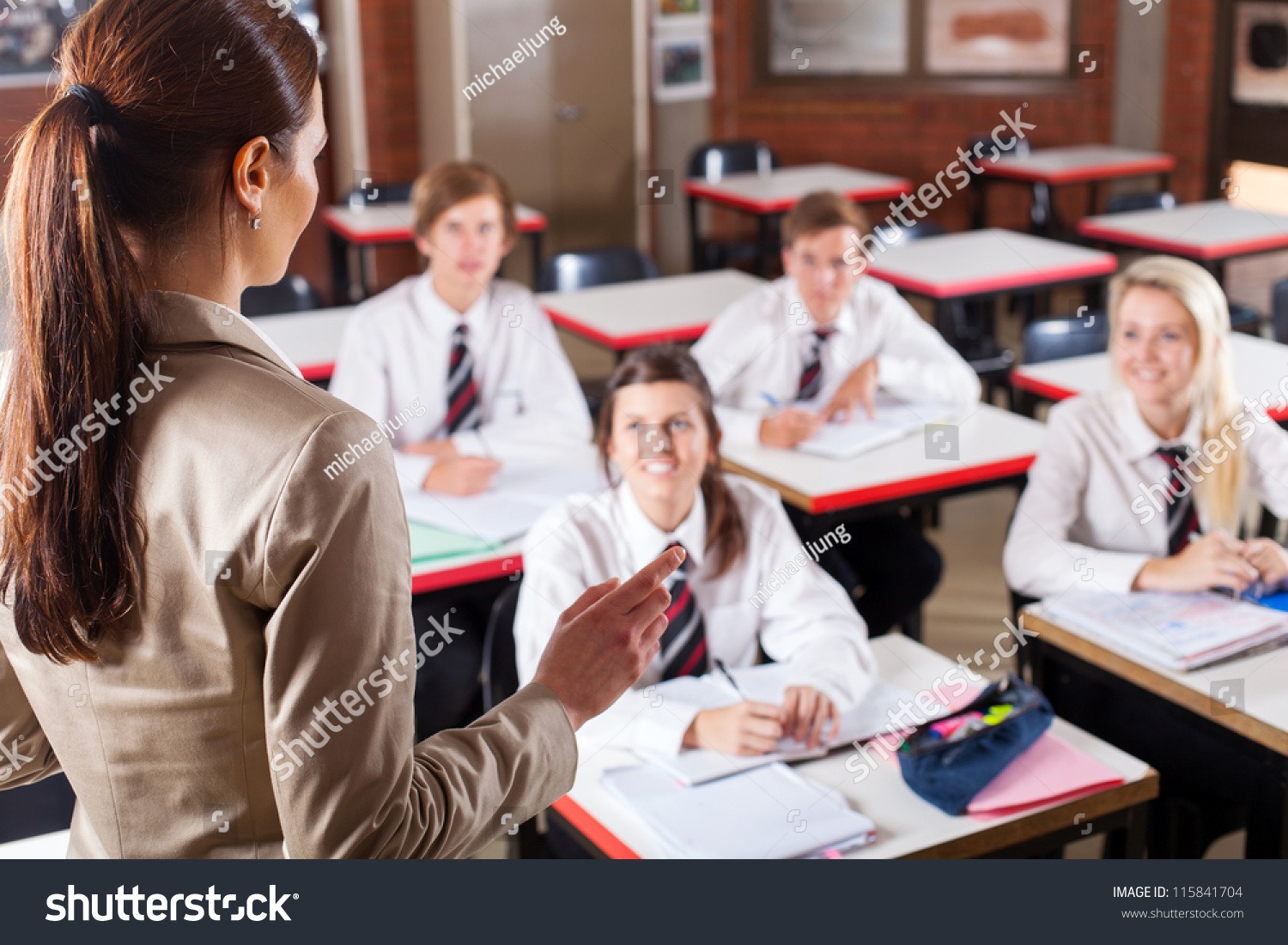
POLICY WIRE — Chicago, USA — With artificial intelligence chatbots now readily available on student laptops and mobile devices, educators are increasingly shifting their instructional focus back to traditional, in-person learning environments.
This transition is fueling a broader movement against screen-heavy instruction. Many teachers are opting to return to physical projects, composition notebooks, and handwritten assignments to maintain academic rigor.
Rex Ovalle, a high school English teacher based in a Chicago suburb, exemplifies this trend by requiring students to utilize physical notebooks at the beginning of every class session.
The global education community remains fractured regarding the integration of AI, leaving many instructors to navigate these technological shifts without centralized guidance. Following World Teachers’ Day, a UNESCO Campus event convened nearly 800 educators from 97 countries to discuss the evolving role of AI in modern pedagogy.
While some teachers report that AI tools provide significant time-saving benefits, critics warn that over-reliance on these systems may hinder the development of critical thinking skills among students.
Experts emphasize that before implementing AI-powered tools, educators must possess a clear instructional objective and the expertise to verify the accuracy of machine-generated content. While AI can produce lesson plans and scaffolds in seconds, the responsibility remains with the teacher to ensure the material is instructionally sound and appropriate for their specific classroom needs.
Reporting by Policy-Wire (PW)