


Texas Political Fault Lines Deepen as Paxton’s Attorney Backs Dem Senate Hopeful
POLICY WIRE — Austin, United States — In a political environment frequently described as rigidly polarized, an unexpected alignment has surfaced in the Lone Star State, throwing a curveball into its...

POLICY WIRE — Austin, United States — In a political environment frequently described as rigidly polarized, an unexpected alignment has surfaced in the Lone Star State, throwing a curveball into its typically predictable electoral dynamics. We’re talking about more than just a typical news cycle blip, too. This isn’t just about an endorsement; it’s about whose name is doing the endorsing, — and for whom. It scrambles the script, makes you squint at the fine print, doesn’t it?
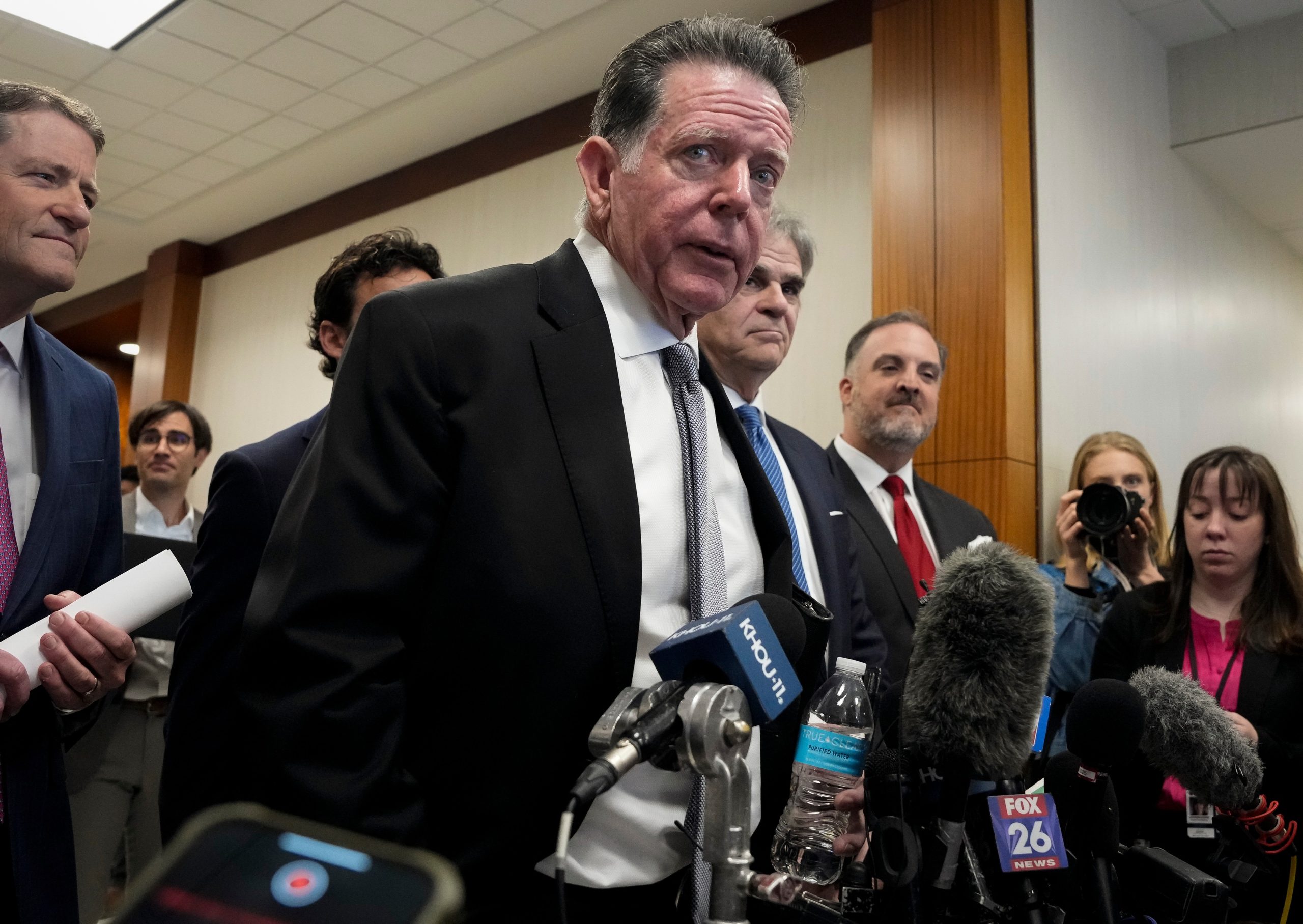
It’s Ken Paxton’s attorney from his recent, high-stakes impeachment trial—yeah, *that* attorney—now lending his support, politically, to James Talarico, who’s currently vying for a U.S. Senate seat. Talarico, for those keeping score at home, is a Democrat. And this isn’t just a quiet nod; it’s a public, declared endorsement. It’s got politicos here in Austin scratching their heads, frankly, wondering if this signals an isolated instance of individual conviction or something far more expansive. [QUOTE_PLACEHOLDER]
Because let’s face it, Texas politics usually plays out like a fiercely partisan sport. Republicans are Republican; Democrats are Democrat. There aren’t many gray areas, certainly not where high-profile legal defense teams intersect with opposition campaigns for a federal office. Ken Paxton himself, Texas’s Attorney General, was just through a bruising impeachment saga. He fought off charges with a tenacious legal team—one that largely coalesced around him from within the conservative establishment, right? And to have one of those very individuals, post-acquittal, turn around — and champion a progressive candidate? It’s…unconventional, to say the least. It’s got people talking.
James Talarico, meanwhile, has been building a profile as a thoughtful, articulate Democratic voice in a state where Democrats often face an uphill battle. He’s seen as part of a newer guard, attempting to carve out space — and relevance in traditionally red territory. So, the boost from a figure tied so closely to a GOP lightning rod, even indirectly, must feel pretty good for his campaign. It gives him—or at least the perception of him—some bipartisan street cred. It says, hey, even folks on the other side might see something they like.
This whole situation makes you consider the peculiar tightropes legal professionals often walk, doesn’t it? Lawyers, especially those engaged in politically charged cases, become deeply intertwined with their clients’ public perception. Yet, their professional lives — and personal beliefs don’t always align with their client’s political party line. And sometimes, those convictions can lead to incredibly public displays of dissent or cross-aisle camaraderie that truly shake up the local scene.
Consider, for a moment, parallels in other corners of the democratic world. In South Asia, particularly in nations like Pakistan, legal luminaries have historically held significant sway, often acting as moral compasses or agents of change that sometimes defy conventional political boundaries. There, prominent lawyers and judges aren’t just legal practitioners; they’re often revered public figures whose stances can galvanize or fracture political movements. We’ve seen instances where bar associations or individual jurists have taken stands that cross party lines for principles of rule of law or constitutional supremacy. Think of the lawyers’ movement in Pakistan during the Musharraf era, where legal professionals across the political spectrum united against an autocratic leader. Their actions were rooted in principle, demanding constitutional supremacy regardless of party affiliations. This current Texas situation, while not on that epic scale, still represents a minor fissure in hardened party loyalty—a lawyer opting to back what appears to be his conscience or a strategic long game, rather than the team shirt he ostensibly wore.
The numbers game for such an unexpected maneuver remains murky. Generally, around 90% of political contributions from legal professionals tend to align with the Democratic or Republican party they’re registered with, according to an analysis of federal election data from OpenSecrets. This endorsement, therefore, swims directly against the prevailing current of partisan solidarity. And it’s not an inconsequential gesture. It means something.
What This Means
This endorsement isn’t just a political oddity; it’s a potent signal—a sort of tremor—that could hint at deeper cracks forming in Texas’s GOP foundation, especially in the post-impeachment period for Paxton. It suggests that even within the legal and political circles most loyal to Republican standard-bearers, there might be simmering frustrations or a desire for different leadership. It complicates the narrative for Republicans, forcing them to address internal inconsistencies or dissenters. For Talarico, it provides a valuable anecdote—a talking point to broaden his appeal beyond the traditional Democratic base. It allows him to claim a modicum of crossover support, however symbolic.
Economically, such a public break doesn’t directly move markets, but it hints at instability within the political apparatus. An environment where key players defy party lines can lead to less predictable policy outcomes, which some businesses dread, and others see as an opportunity. More importantly, it chips away at the myth of monolithic party unity, suggesting that even in the most entrenched partisan landscapes, individual conviction (or perhaps sheer political calculation) can occasionally trump tribal loyalty. It forces a conversation about what true political identity really means in the modern era, beyond just the red or blue jersey. It also reminds us that while the partisan walls often look impenetrable, sometimes, even a well-placed lawyer can find a small opening to walk through.