

Texas Father Deported to Ghana Forced Into Unsafe Mali Exile Under Third-Country Policy
A Texas father with legal protections against deportation to Mali was sent to Ghana, then forced into the country he fled. Policy Wire investigates the case.

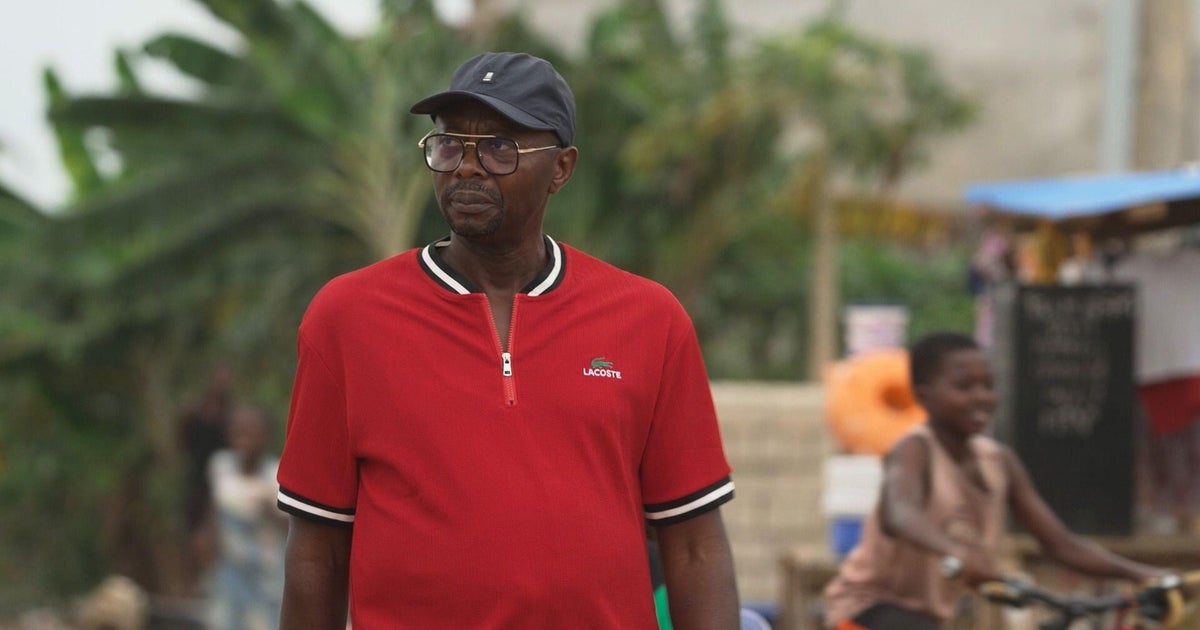
POLICY WIRE — Houston, USA — Moussa Diawara, a Texas resident who spent nearly half his life in the United States, remains in hiding after being deported to Ghana and subsequently forced into Mali—a country where a U.S. immigration judge previously ruled he would likely face persecution.
Diawara, 57, arrived in the U.S. on a tourist visa decades ago and later sought refugee protection due to his conversion to Christianity in a Muslim-majority nation facing an Islamist insurgency. Although he had no criminal record and held a valid work permit, ICE agents apprehended him at his suburban Houston home on July 11.
On July 31, Diawara was flown to Ghana, a nation with which he has no ties. He reported that local officials there detained him in a hotel under armed guard before forcing him onto a flight to Mali. “I still say to myself, ‘This is not real,'” Diawara stated, describing the experience as a kidnapping.
Internal documents, including medical forms and Department of Homeland Security (DHS) bag tags, explicitly listed “SHRC Mali” as the destination for his flight. James Percival, the top lawyer for DHS, denied that the U.S. flew Diawara to Mali, characterizing the documentation as a clerical error produced by contractors.
The Trump administration’s third-country deportation program has resulted in the removal of 25,000 individuals to various nations. Investigations reveal that many deportees are being transferred against their will to countries where U.S. judges had previously granted them “withholding of removal” status to prevent their return to dangerous conditions.
Of the 63 passengers on Diawara’s July 30 flight, 62% had no criminal record, while 19% had only minor traffic violations. Attorney Meredyth Yoon argues that the U.S. government is aware of these secondary transfers, noting that the administration was warned about Ghana’s conduct in a lawsuit last year.
While a federal appeals court recently ruled the third-country policy unlawful due to due process violations, the Supreme Court has permitted the deportations to continue pending a December hearing. Meanwhile, Diawara’s wife, Barbara, and their two children remain in Texas, awaiting his potential return.
Reporting by Policy-Wire (PW)