

Tehran Warns of ‘New Weapons’ as Trump Considers Meeting with Iranian Leader
Tehran threatens new weapons if U.S. attacks, while Trump weighs meeting with Iran's leader amid rising tensions.

POLICY WIRE — Tehran, Iran — Iran has issued a warning that it will deploy “new weapons with new capabilities” if the United States initiates another attack, following heightened rhetoric from President Donald Trump against Tehran over the weekend.
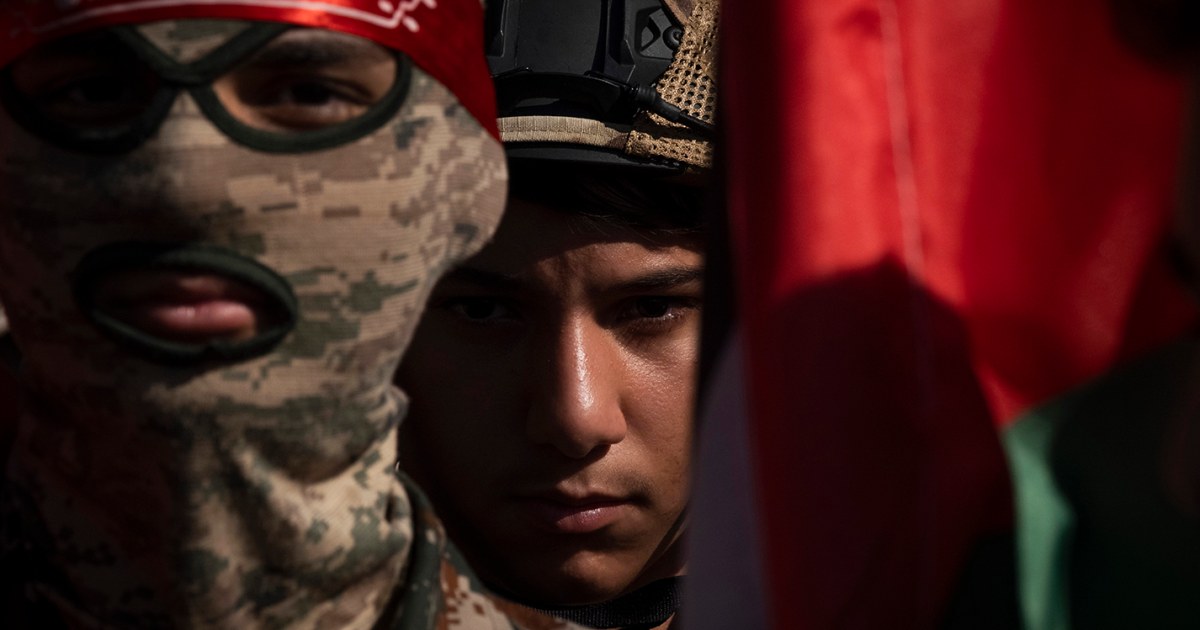
Hossein Mohebbi, a spokesperson for Iran’s Islamic Revolutionary Guard Corps, stated Monday that if further aggression occurs, Iran would alter both the weapons and the geography of the conflict, according to the semi-official Fars news agency. However, he did not specify what the new weapons are or which areas might be targeted.
Earlier this week, Trump suggested he might be open to meeting with Iranian President Masoud Pezeshkian during the United Nations General Assembly, according to Fox News. This potential dialogue sparked hope for resolving the nearly seven-month-long conflict, which has seen Iran block the Strait of Hormuz and its Yemeni allies attack key oil infrastructure, causing global economic ripple effects and driving up fuel prices.
Trump also outlined his options for dealing with the war, stating he was considering whether to wipe Iran out, let it face economic collapse, or pursue a deal. He also questioned when he might take military action against the country. Oil prices dropped to their lowest in over a week as expectations for renewed U.S.-Iran negotiations grew, despite ongoing attacks by Iran-backed Houthis.
The president claimed Washington is in regular contact with the Houthis, who have reportedly agreed not to fight the U.S. However, no timeline for these communications was provided. The Houthis recently attacked Riyadh and an Aramco facility in Yanbu, a major oil export hub, while fighting intensified in southwest Yemen.
A report from The New York Times revealed that Trump had considered but ultimately rejected joining Saudi Arabia in joint strikes against the Houthis. Analysts warn that Trump’s stance remains unpredictable, especially regarding support for Saudi Arabia in its conflict with the rebels. Meanwhile, shipping data showed a decline in vessel traffic through the Strait of Hormuz, though oil exports continue via tankers with transponders disabled.
Yemen’s Ministry of Health and Environment accused Saudi Arabia of targeting telecommunications infrastructure in Al-Jawf Governorate, killing four workers and injuring three others. The ministry condemned the strikes as violations of international law, claiming they aim to worsen the humanitarian crisis in the region.
Reporting by Policy-Wire (PW)