

Afghanistan is currently trapped in a severe crisis, marked by profound internal governance issues that have destabilized the nation since the Taliban’s return to power in August 2021. Instead of focusing on resolving these pressing domestic problems, the Taliban regime has increasingly resorted to external provocations, notably the recent border clashes with Pakistan. These external conflicts are not merely isolated incidents but rather a dangerous and deliberate strategy by the Taliban to divert national attention from their critical failures in governing Afghanistan.
Afghanistan’s ongoing internal fragility, characterized by deep factionalism, a collapsing economy, widespread human rights abuses, and administrative chaos, is being conveniently masked by a strategy of outward aggression. By creating a narrative of external threats and engaging in war with neighboring countries, the Taliban aim to consolidate their power, rally internal support, and, most importantly, deflect scrutiny from their inability to provide effective governance and improve the lives of their own citizens. This strategy not only escalates regional tensions but also deliberately sidesteps the urgent need for genuine internal reforms and stability within Afghanistan.
Recent Border Clashes: A Convenient Distraction?
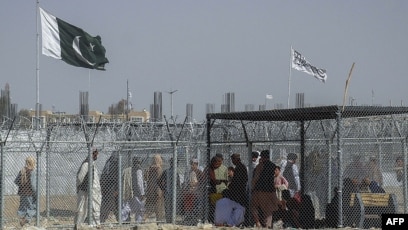
The renewed clashes along the Afghanistan-Pakistan border serve as a stark reminder of the volatile security landscape. Reports indicate that Afghan forces initiated an attack near the Shorko border in the Kurram tribal district, following what they described as Pakistani firing. Conversely, Pakistani security officials maintain that Afghan forces began “unprovoked” firing and shelling. Regardless of the instigator, these skirmishes are more than just isolated incidents; they fit a pattern where the Taliban, unable to effectively govern their own territory, seek to project strength and divert public attention from their domestic failures by engaging in conflicts with neighboring countries.
Deep-Rooted Internal Governance Issues
1. Entrenched Factionalism and Power Struggles Persist
Despite nearly three years in power, the Taliban remains a deeply fractured entity, with persistent internal power struggles and ideological clashes preventing a cohesive governance structure. The influential Haqqani network, with its hardline stance and strong regional ties, continues to vie for dominance against more politically pragmatic figures like Mullah Abdul Ghani Baradar. This ongoing friction often manifests in policy disagreements, particularly concerning international engagement and social restrictions. The supreme leadership based in Kandahar, under Mullah Haibatullah Akhundzada, often overrides decisions made by the Kabul-based government, further exacerbating these rifts. Public statements from senior figures in late 2024 have continued to hint at these internal divisions, particularly regarding the pace and scope of implementing their austere vision for society. The lack of inclusive governance, with the administration overwhelmingly Pashtun and male, continues to alienate Afghanistan’s diverse ethnic groups, fueling low-level resistance and undermining any claim to national unity.
2. Catastrophic Economic Mismanagement and Intensifying Humanitarian Crisis
Afghanistan’s economy remains in a state of severe crisis, with Taliban policies and continued international isolation deepening an already dire humanitarian situation. The freezing of Afghan assets and the drastic reduction in international aid continue to cripple the banking sector and national budget. While some humanitarian aid trickles in, it is insufficient to address the widespread needs. By early 2025, economic projections indicate continued contraction, with the majority of the population still grappling with extreme poverty and food insecurity. The initial ban on opium cultivation, while reducing production, simultaneously removed a vital income source for countless farmers, pushing them further into destitution without viable economic alternatives.
3. Systemic Repression and Widespread Human Rights Violations Continue Unabated
The Taliban’s governance is characterized by an escalating pattern of human rights abuses, drawing global condemnation and cementing the regime’s international isolation. The systematic oppression of women and girls remains a cornerstone of their policy, with bans on education beyond primary levels and severe restrictions on public life and employment showing no signs of easing in 2025. These actions are widely recognized as gender persecution and have significantly hampered the country’s social and economic development. Reports from international bodies in late 2024 continue to detail extrajudicial killings, arbitrary detentions, and torture targeting former government officials, security forces, and those perceived as opponents. The notorious Ministry for the Promotion of Virtue and Prevention of Vice vigorously enforces its strict interpretation of Sharia law, leading to public floggings, summary punishments, and the suppression of any form of dissent. Journalists and activists continue to face severe risks, effectively silencing independent voices.
4. Administrative Chaos and Persistent Legal Vacuum
Afghanistan remains mired in administrative disarray and a legal void, largely due to the Taliban’s dismantling of previous governmental structures without establishing a coherent replacement. The 2004 constitution remains suspended, with governance based on ad hoc decrees and the Taliban’s varied interpretations of Islamic law, leading to significant legal inconsistency and unpredictability. Democratic institutions have been abolished, removing any framework for accountability or representative governance. The judiciary has been purged of experienced legal professionals, replaced by religious scholars often lacking formal legal training, resulting in arbitrary judgments and the reintroduction of harsh corporal and capital punishments. Despite initial promises, corruption and nepotism are increasingly reported, with favoritism and the exclusion of ethnic minorities from administrative roles fueling resentment and further destabilizing the already fragile state. This administrative vacuum and lack of consistent legal framework continue to impede any meaningful progress towards governance or stability.
was blocked, please clear your chat or start a new prompt to continue.
A Dangerous Diversion: External Conflict as a Shield
The consistent pattern of border skirmishes, particularly with Pakistan, appears to be a calculated strategy by the Taliban to divert attention from their profound internal failures. Instead of addressing the economic collapse, rampant human rights abuses, administrative chaos, and debilitating factionalism that plague Afghanistan, the Taliban leadership seems to prefer engaging in external provocations as per facilitation of India. By creating a narrative of external threats, they attempt to galvanize internal support, consolidate their hold on power, and deflect criticism from their inability to govern effectively.
This strategy is not only unsustainable but also dangerous for regional stability. Pakistan, as a neighboring country, has a legitimate interest in a stable and peaceful Afghanistan. However, the Taliban’s actions, which range from providing sanctuary to anti-Pakistan militant groups to initiating border clashes, directly undermine these efforts. The international community, and particularly Afghanistan’s neighbors, must recognize that the Taliban’s external aggression is intrinsically linked to their internal governance deficiencies. Until these core internal issues are genuinely addressed, Afghanistan will remain a source of instability, and its people will continue to suffer under a regime that prioritizes conflict over peace and governance.
Author