
Strengthening Food Supply Chains Through Gulf Partnerships
With the current world environment rapidly changing with an economic direction that food security and food supply chain resilience are becoming key issues, the renewed effort of Pakistan to increase...

With the current world environment rapidly changing with an economic direction that food security and food supply chain resilience are becoming key issues, the renewed effort of Pakistan to increase food exports to the Gulf is not only a sign of strategic foresight but also a need to achieve its economic goals. The recent news that Prime Minister Shehbaz Sharif has established special committees to improve the food exports is an indication of a calculated decision to promote the integration of the region in terms of trade and the realization of untapped economic potential.
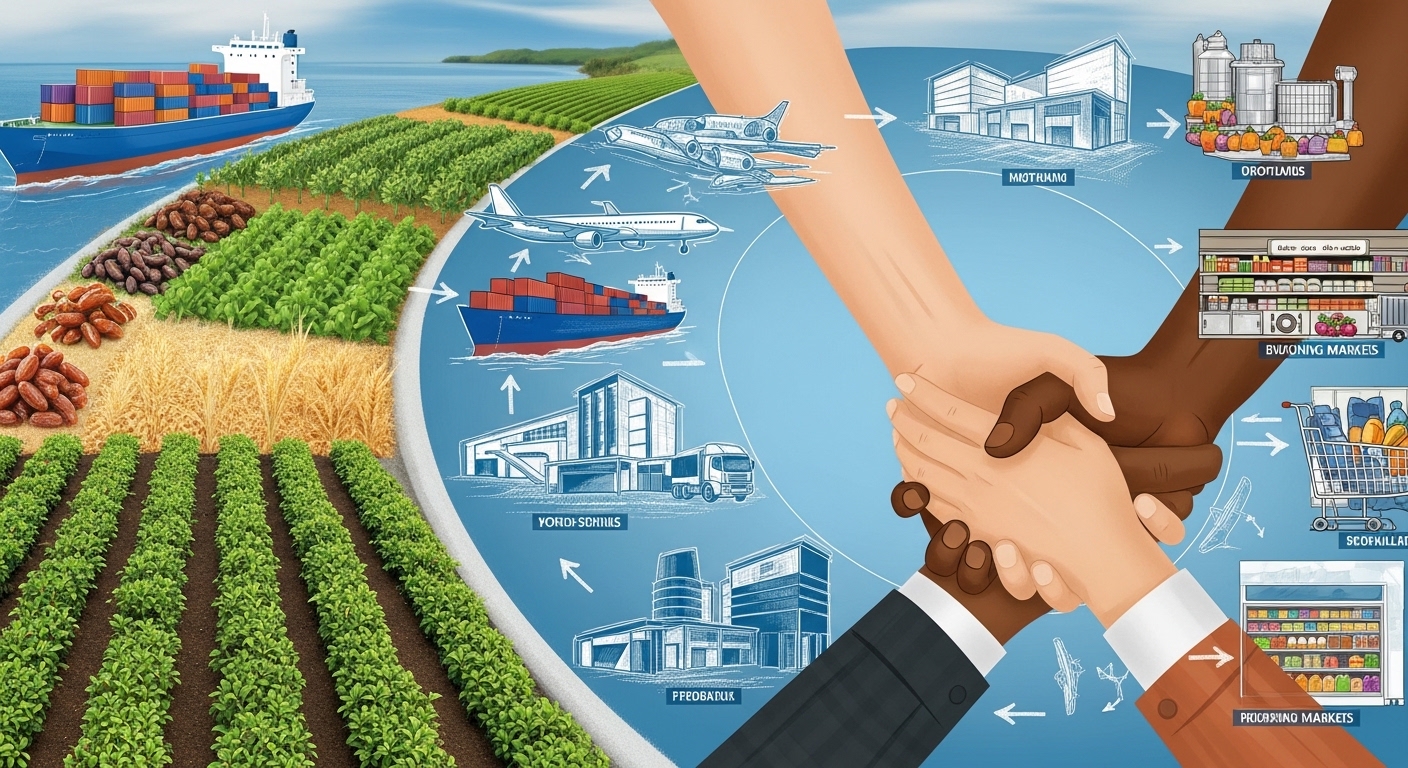
The core of this initiative is to appreciate the natural strengths of Pakistan. The country has massive resources in agriculture, wide range of climatic regions and a labor force that has been entrenched in farming traditions making it very competitive to be a dependable supplier of food to the Gulf markets. Rice and fruits, meat, and processed foods, the export basket of Pakistan is rather attractive to the countries in need of the stable and diversified sources of food imports.
The establishment of special committees implies the replacement of a situation with the disorganized policymaking process to the more precise and forced one. These committees have the potential to eliminate the historical bottlenecks that are caused by the government, industry, and trade organizations (i.e. the quality control, certification standards, logistic inefficiencies and barriers to market access). This is essential especially in the Gulf markets where there are strict food safety laws and consumer expectations that require consistency and adherence.
Haroon Khan reiterated the intentions of the government to improve the trade relations and that Pakistan is not pursuing the increase of exports only but also the establishment of more extensive economic integration. This two-fold concentration is important. Trade no longer deals merely with transactions, it now deals with the establishment of long-term partnerships to facilitate investment, technological transfer, and the ensuing mutual growth.
The increased attraction of Kuwait to strengthen their collaboration in areas like food, the information technology, and the trade also contributes to this initiative. Gulf nations, having their own interests in the form of food security and active programs of economic diversification, are trying to find serious partners. Pakistan, owing to its geographical location and cultural affiliation, is a natural ally.
This development has geopolitical consequences besides the economic gains in the short-term. Economic diplomacy has become a useful instrument in creating stability in an era where there are regional tensions and uncertainties in the world. In enhancing the trade and investment relations with the Gulf countries, Pakistan is establishing itself as a positive and useful partner in the region. This method is consistent with a broader perspective of achieving peace in the region via economic interdependence, to which collective prosperity can be a base of continued collaboration.
In addition, the improvement of food exports can be transformative to domestic economy in Pakistan. The high demand in the Gulf markets can be used to promote the agricultural output, promote the value addition and open employment opportunities throughout the supply chain. Small farmers can be the beneficiaries especially through providing them with the right infrastructure, access to finance and market linkages. This will, in turn, be able to help in rural development as well as diminish economic inequalities.
The prevalence of the exploration of new pathways of joint cooperation also ushers in the innovation. Cooperation with the Gulf partners in spheres of agri-tech, food processing, and supply chain management should be used to improve the efficiency and promote modernization of the agricultural industry in Pakistan. These relations can contribute to reducing the technological divide and making Pakistan a progressive participant of the world food economy.
Finally, the establishment of special committees to increase food exports is not only a policy declaration; it also shows some inner line. Through prioritization of the economy and regional opportunities, Pakistan is making a significant stride towards resilience in the economy and global footprint. With the right implementation, this program can revolutionize Pakistan as a financial hub in the region and help to make it more interconnected and wealthier.
Author