


Spain’s Blazing Heartbreak: Political Scrutiny Ignites as Embers Cool
POLICY WIRE — Madrid, Spain — The scorched earth tells a silent, ugly truth, far more articulate than any politician could hope to be. After weeks of merciless flames ripping through Spain’s dry...

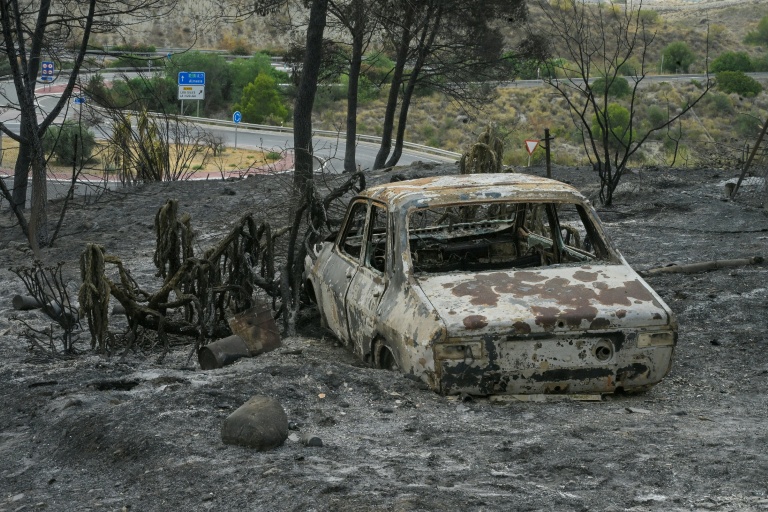
POLICY WIRE — Madrid, Spain — The scorched earth tells a silent, ugly truth, far more articulate than any politician could hope to be. After weeks of merciless flames ripping through Spain’s dry heartland, leaving behind vast stretches of blackened forests, incinerated homes, and dashed holiday dreams, the embers are finally cooling. But a different kind of fire is just beginning to smolder: the political kind, as citizens demand answers and, more importantly, real action.
It’s not just a statistic, although those are grim enough; we’re talking about lives upended, entire ecosystems torched, and an economy, heavily reliant on its picturesque landscapes, facing a nasty headache. But let’s be honest, it’s also the uncomfortable spectacle of governments everywhere, particularly across Southern Europe, finding themselves caught flat-footed, year after grueling year, despite warnings sounding like a broken record.
Spain’s Prime Minister, Pedro Sánchez, didn’t hesitate to step into the fray, inspecting the devastation with the solemn, slightly harried air common to leaders confronting crises. His message? “We absolutely must focus on better prevention,” he declared from a smoldering pine forest in Aragón, the kind of statement that feels both undeniable and, to a weary public, increasingly insufficient. “This isn’t just about fighting fires; it’s about reshaping how we coexist with our changing climate, how we protect our communities from these increasingly ferocious events.” A noble sentiment, you’d think. Yet, it skirts the thorny question of whether past prevention efforts, and the funds allocated to them, were actually up to snuff. That’s a debate that’s going to get messy.
But the opposition isn’t buying the retrospective sermon. They’ve seen this movie before, you know? Alberto Núñez Feijóo, leader of the conservative Popular Party, shot back with typical parliamentary precision. “When the smoke clears, the negligence appears,” he stated, less than subtly implying a lack of foresight. “This government has consistently cut back on resources for forest management, and now, when the inferno consumes everything, they preach about prevention? It’s not prevention; it’s an admission of past failures. And frankly, the Spanish people deserve more than retrospective lectures.” Strong words, for sure. They resonate with many who saw a sluggish response or a distinct lack of long-term planning.
And let’s not forget the sheer scale of the environmental disaster. The European Forest Fire Information System reported that Spain alone had already seen over 70,000 hectares burned by mid-August, putting immense pressure on local communities and emergency services. It’s an annual, grotesque spectacle. It makes you wonder how long Europe’s tourist hotspots can continue to burn like this without significant, perhaps irreversible, damage to their allure.
For us at Policy Wire, this isn’t just a Spanish problem, of course. It’s a mirror, reflecting anxieties far beyond the Iberian Peninsula. Across the world, from the mega-droughts in North America to the devastating floods that periodically engulf countries like Pakistan, the narrative of extreme weather events is chillingly consistent. Spain’s inferno has starkly highlighted the cracks in Europe’s preparedness, exposing vulnerabilities in governance structures that are simply not designed for a constantly escalating environmental threat. Take Pakistan, for instance, a nation that’s endured its own share of catastrophic climate-related events—monsoon floods that displace millions, relentless heatwaves. They too grapple with the monumental challenge of resource allocation, balancing immediate crisis response with the herculean task of building long-term resilience. The Spanish situation, while geographically distant, echoes a universal dilemma: how do you convince voters to invest heavily in what might prevent disaster years down the line, especially when there are so many urgent needs demanding attention *right now*?
📄 POLICY WIRE WHITEPAPER PUBLISHED: PAKISTAN'S NATIONAL SECURITY POLICY PRIORITIES
👉 READ BY CLICKING HEREBecause ultimately, these aren’t merely acts of God anymore. They’re climate change in full, terrifying motion, exacerbated by decades of environmental indifference, ill-conceived urban planning, and, yes, political short-sightedness. And that’s the tough pill nobody really wants to swallow.
What This Means
This escalating pattern of destructive wildfires, exacerbated by a warming planet, isn’t just a seasonal inconvenience for Spain; it’s a structural threat to its economic bedrock and political stability. Politically, Sánchez faces increasing pressure. If his government doesn’t demonstrate a credible, well-funded long-term prevention strategy, these wildfires could become an albatross around his administration’s neck, particularly as climate consciousness deepens among voters. It’s one thing to offer platitudes post-disaster; it’s another to implement systemic change.
Economically, the impact on Spain’s critical tourism — and agricultural sectors is already substantial. Holidaymakers tend to reconsider destinations regularly ravaged by infernos. Insurance premiums will skyrocket, and the costs of rebuilding infrastructure, combined with lost agricultural output, will be considerable. We’re not talking about minor budget adjustments here; it’s potentially billions of euros. This situation also places a renewed onus on the European Union to develop a more robust, collective climate resilience fund, acknowledging that climate-induced disasters don’t respect national borders. Member states will lobby harder for shared financial burdens, testing the bloc’s solidarity. The wildfire season, once a regional nuisance, has become an annual litmus test for governments across the continent, assessing not just their emergency response but their foresight and political courage.