


Europe’s Moral Reckoning: Germany Delivers Justice for Yazidis, Unmasking Global Terror’s Reach
POLICY WIRE — Frankfurt, Germany — The fluorescent hum of a Frankfurt courtroom might seem a world away from the blood-stained earth of northern Iraq, yet it was here that another shard of a broken...

POLICY WIRE — Frankfurt, Germany — The fluorescent hum of a Frankfurt courtroom might seem a world away from the blood-stained earth of northern Iraq, yet it was here that another shard of a broken people’s justice found its improbable landing. Germany, long grappling with its own ghosts, has again positioned itself as an unlikely crucible for global crimes against humanity. A recent verdict, convicting an Iraqi couple of enslaving a Yazidi girl, isn’t just another legal footnote; it’s a cold, hard confirmation of terror’s enduring shadow—and Europe’s complicated role in confronting it.
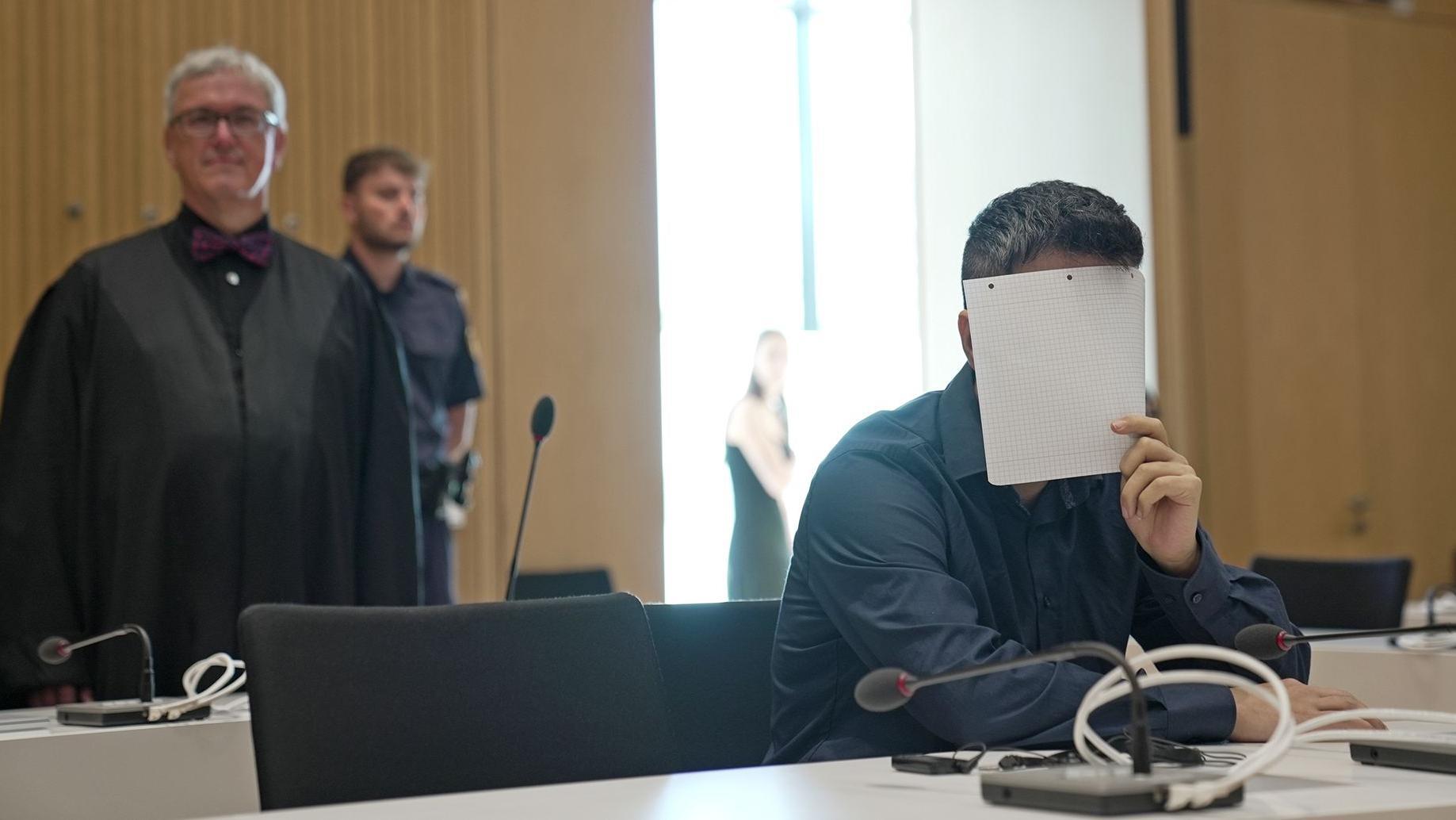
It wasn’t a sudden, cathartic triumph. More like a slow, agonizing drip. Years after the world witnessed the so-called Islamic State’s barbarity, the wheels of justice turn with a ponderous, sometimes frustrating, slowness. But they turn. The Federal Court of Justice in Germany confirmed the initial convictions against Taha A.-J. and his German wife, Jennifer W., for their heinous involvement in the systematic torment of a young Yazidi. Imagine a small child, her life shattered, reduced to chattel—and then imagine her captors attempting to blend into modern European society. That’s the grotesque reality these trials seek to unravel.
And these weren’t isolated incidents. The sheer scale of the Yazidi genocide, formally recognized by the United Nations, is chilling. Over 6,400 Yazidis were abducted, a staggering 68% of whom were women — and children. This statistic, derived from a 2018 UN report, lays bare the calculated cruelty. Germany, for its part, has become a leading nation in prosecuting alleged ISIS members under the principle of universal jurisdiction. They’ve picked up where others haven’t, or can’t. That takes a particular kind of grit, doesn’t it? To bring these monsters to account thousands of miles from where they committed their atrocities.
Prosecutor Tobias Plopp, whose office has handled multiple high-profile cases involving ISIS atrocities, articulated the state’s position with unflinching resolve. “This verdict,” Plopp stated in a prepared statement, “sends an unambiguous signal: the perpetrators of unimaginable horrors will find no sanctuary, not even on European soil. We won’t let these crimes fade into memory without consequence.” But it’s not just about German legal principles. It’s about a fundamental commitment to a moral compass that, frankly, many thought had gone wobbly.
The German approach provides a template—a very difficult, painstaking template—for international accountability. Because it’s not just Iraq. Not just Syria. Extremist ideologies, — and the crimes they spawn, ripple outward. They impact global security, including in regions like South Asia, where the allure of radicalized narratives can sometimes find fertile, if marginal, ground among disillusioned segments of society. Countries from Pakistan to Afghanistan grapple with the complex repatriation and de-radicalization of individuals potentially influenced by or even active in groups that mirror ISIS’s brutality. It’s a complicated, messy problem, ensuring those who inflict such pain never find comfort, no matter where they try to flee. Extradition Charades or not, justice needs a global reach.
Jamila Karim, an outspoken advocate for Yazidi rights with the Yazidi Human Rights Organization, noted the enduring, bittersweet nature of these court battles. “Years pass, but the wounds remain,” Karim reflected, her voice tinged with the weight of her community’s trauma. “This judgment, though it cannot erase the suffering, brings a small measure of accountability. It tells our children that their agony wasn’t invisible—that someone, somewhere, cares enough to say: ‘No more.’” She’s right, of course. It’s a testament to the unyielding spirit of survivors and the methodical work of legal teams, sifting through horror, piece by agonizing piece.
It’s about the bigger picture, too. Germany has convicted over 100 people for ISIS-related crimes, more than any other European nation. They aren’t just locking people up; they’re painstakingly constructing a legal precedent, carving out a space where genocide, war crimes, and enslavement aren’t just historical footnotes but actionable offenses, no matter where they were committed. This takes immense resources, but also a moral fortitude that should give others pause.
What This Means
This Frankfurt ruling isn’t merely the conclusion of another criminal trial; it’s a potent, if somewhat inconvenient, reminder of global political realities. Economically, pursuing such universal jurisdiction cases is immensely costly. Germany isn’t just absorbing refugees; it’s shouldering a disproportionate burden of global legal redress for crimes committed half a world away. This puts pressure on its justice system, straining budgets — and judicial personnel. Politically, it elevates Germany’s standing as a defender of human rights—a stark contrast to its World War II past—but it also highlights the sluggish, often inadequate, responses from other nations to these same horrors.
the focus on individual accountability here carries broader implications. It dismantles the myth of a faceless, organized terror. Instead, it personalizes the evil, forcing individuals like Taha A.-J. and Jennifer W. to face the music, individually. This humanization of perpetration, however grim, can sometimes pave the way for more targeted policy responses against extremist recruitment and financing. The irony? While Germany prosecutes these high-profile cases, the underlying conditions that foster such extremism—from regional instability to socio-economic despair—persist, a dark churn threatening future generations. It’s a costly, often thankless, fight—one where moral leadership sometimes arrives with a hefty price tag and no guarantees.