


After Blue Origin Implosion, NASA’s Lunar Ambitions Hitch a Ride with SpaceX’s IPO Hopes
POLICY WIRE — Washington, D.C. — Another day, another billionaire’s dream goes boom. It’s almost become routine, hasn’t it? The spectacle of a multimillion-dollar piece of engineering...

POLICY WIRE — Washington, D.C. — Another day, another billionaire’s dream goes boom. It’s almost become routine, hasn’t it? The spectacle of a multimillion-dollar piece of engineering disintegrating skyward provides a strange kind of corporate schadenfreude for some. But beyond the immediate drama, these fiery mishaps redraw the power lines in an arena far grander than any corporate boardroom: the cold vacuum of space itself.
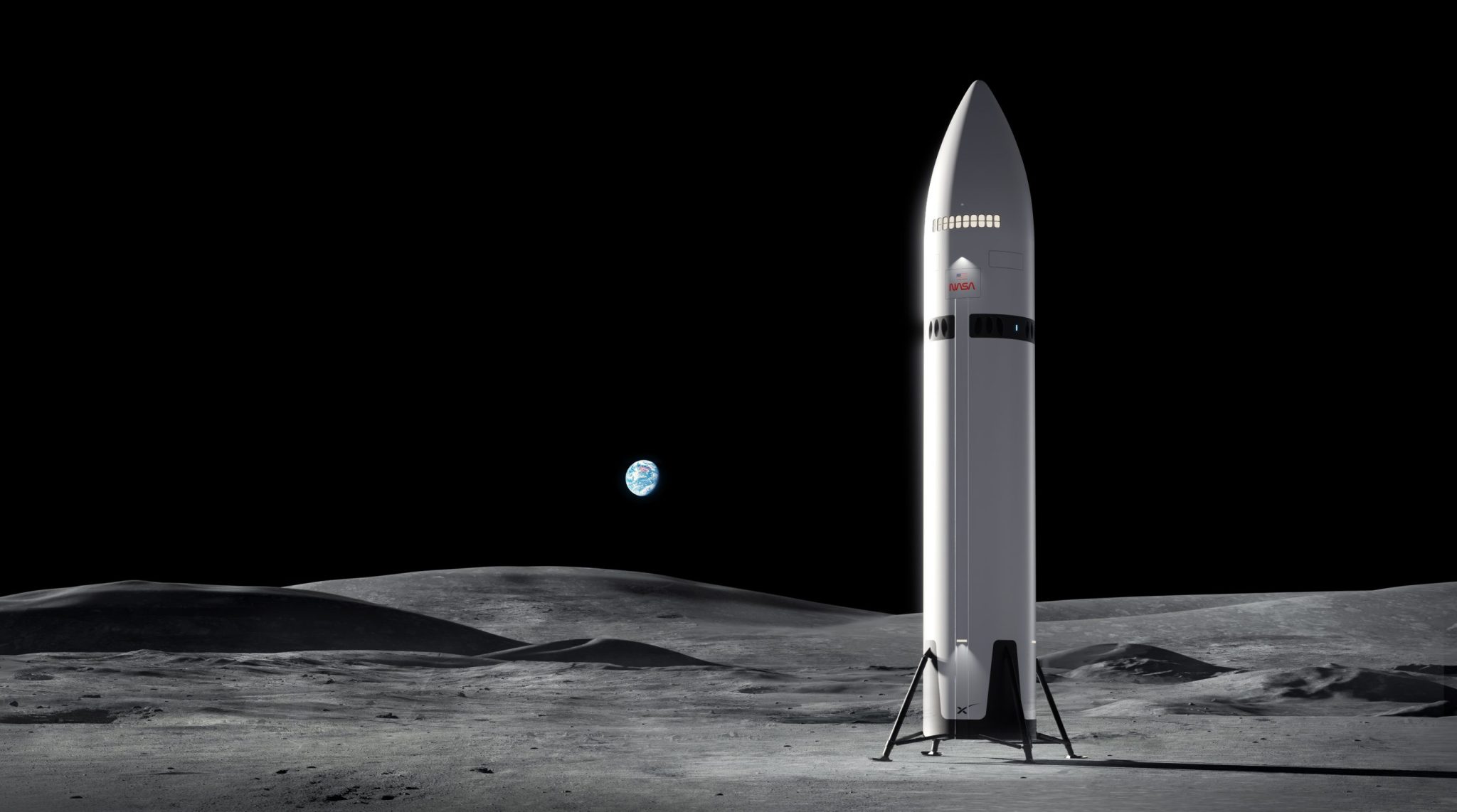
Because that spectacular, unscheduled disassembly of a Blue Origin rocket – let’s be frank, it wasn’t meant to do that – just shoved NASA’s entire moon exploration program into a very specific, and highly concentrated, corner. Suddenly, like a game of cosmic musical chairs, everyone else sat down, — and only one seat remained open. Things change fast. Suddenly, NASA, America’s supposed arbiter of the cosmos, finds itself essentially reliant on a single private contractor for its grand lunar aspirations.
But this isn’t just about rockets or moon rocks. This is about cold, hard cash — and who holds the reins to the final frontier. Elon Musk, never one to shy from a moment in the sun (or moon, as it were), finds his company, SpaceX, in an enviable, if not monopolistic, position. We’ve heard whispers, strong ones actually, that Musk eyes blockbuster IPO soon. Coincidence? Perhaps. Or maybe, just maybe, it’s a perfectly timed inflection point, one that offers unprecedented leverage just as Wall Street’s ravenous maw awaits fresh meat.
It’s a peculiar twist, this accidental coronation of SpaceX. Blue Origin’s recent orbital test flight, an unmanned endeavor, ended rather abruptly. Its New Shepard rocket system encountered what the company politely termed an [QUOTE_PLACEHOLDER] Translation: It blew up. While the escape system reportedly worked for the science payloads aboard (a small mercy, granted), the incident halted further flights. And, critically, it threw a wrench into NASA’s Commercial Lunar Payload Services (CLPS) initiative, which depends on such commercial partners for logistics. With one major competitor grounded indefinitely, the landscape becomes remarkably thin.
Consider the irony: America, for all its talk of fostering competition and open markets, now places its generational lunar gambit – getting humans back to the moon with the Artemis program – squarely on the shoulders of one man’s corporate empire. This isn’t a small dependency. We’re talking billions in taxpayer money, geopolitical prestige, and the future of scientific exploration hanging on a few launch schedules dictated by a private entity.
This reliance isn’t without precedent, but the scale feels different now. The private sector was always intended to supplement, not dominate, NASA’s capabilities. But successive administrations, eager for efficiency and lower costs, have offloaded increasingly substantial chunks of America’s space ambition. This accident merely clarifies how fragile that balance actually is. Industry analysts, like those at Euroconsult, project that the global space economy, valued at over $400 billion in 2023, is set to double within the next decade, driven significantly by private sector innovations and ambitious lunar missions. That’s a huge pie, — and now a larger slice of it just landed in one specific company’s lap.
For nations watching from afar, particularly those in the developing world like Pakistan, this spectacle of dependency presents a stark picture. Islamabad, through its SUPARCO agency, nurtures its own nascent space program, primarily for communication and earth observation satellites. But imagine Pakistan’s strategic concerns watching such a concentration of power. They, and other Muslim-majority nations aspiring to technological self-sufficiency, rely on the global commercial launch market for their own modest space endeavors. A sudden contraction or monopolization of services, or even dramatic price increases, would disproportionately impact their ability to access space – limiting everything from disaster management support to agricultural monitoring. It’s not just a Western superpower’s problem; it’s a global market shockwave.
This sudden, perhaps unwanted, prominence for SpaceX isn’t just a win; it’s a responsibility. NASA can’t afford delays. They need dependable partners. But dependability often comes at a premium, especially when your options just dwindled to one. One has to wonder what kind of leverage this affords SpaceX in upcoming negotiations, not just with NASA, but with private clients globally.
What This Means
The geopolitical ramifications are surprisingly complex. On one hand, U.S. space policy now exhibits a vulnerability; its ambitious return to the moon, designed to assert global leadership against rising space powers like China, now rests predominantly on a single private company’s success or failure. Any hiccups at SpaceX – technical issues, financial instability post-IPO, or even Musk’s famously mercurial temperament – could significantly derail national objectives. And don’t forget the long game; commercial dominance in near-Earth and lunar operations confers significant strategic advantages. It impacts access, resource allocation, and even orbital security in ways we’re only beginning to understand beneath the waves of official policy.
Economically, this consolidates power, undoubtedly pushing SpaceX’s valuation even higher ahead of any potential public offering. For investors, it’s a bullish sign of guaranteed revenue streams, backed by federal contracts. But for NASA and American taxpayers, it presents a single point of failure and potentially higher costs in the long run due to reduced competition. The spirit of innovative capitalism is alive and well, sure, but it also carries the quiet risk of unintended market concentrations that stifle genuine long-term progress for others, particularly those without billions to invest directly. The question isn’t just if we get to the moon, but who takes us there, and what the final price tag – financial and strategic – truly looks like for the journey.