

Silent Sidelines, Sovereign Power: Munoz Injury Exposes Football’s Delicate Balance
POLICY WIRE — Madrid, Spain — The roar of a stadium, the tension of a World Cup match—they’re supposed to drown out everything else. But listen closely, beyond the final whistle of Spain’s narrow 1-0...

POLICY WIRE — Madrid, Spain — The roar of a stadium, the tension of a World Cup match—they’re supposed to drown out everything else. But listen closely, beyond the final whistle of Spain’s narrow 1-0 victory over Uruguay, and you hear it: the quiet, ceaseless grind of finance and sovereign power playing out on the global stage. It wasn’t about the scoreline for some; it was about the delicate preservation of a commodity, a soon-to-be Liverpudlian asset, named Victor Munoz.
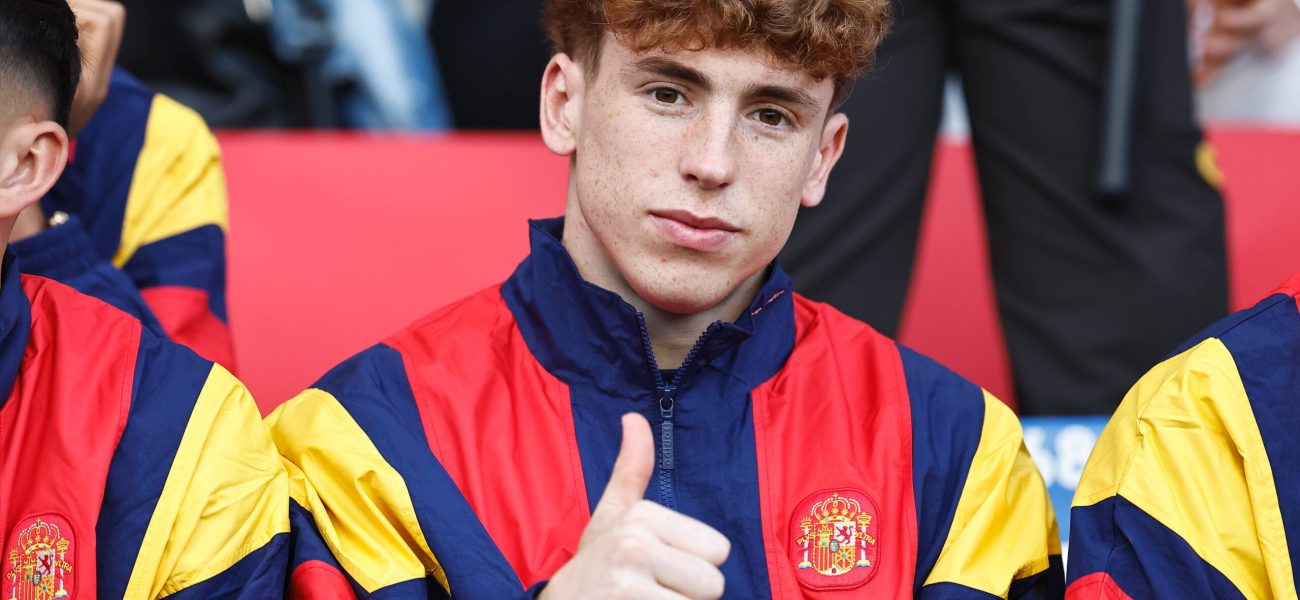
Spain won, yes. And that was dandy for La Furia Roja. But for the bean counters at Anfield, the victory was secondary to the very specific, very careful absence of their latest big-money acquisition. Munoz, sidelined, not playing, protecting a calf that’s already been troublesome. He’d arrived at the World Cup carrying one concern, then picked up another niggling muscular issue during a private recovery regime. But this wasn’t some unexpected setback; it was, for lack of a better word, a planned reprieve. A measured chess move in a game of global economic stakes.
Andoni Iraola, Liverpool’s freshly minted head coach, has already put his stamp on recruitment, Munoz being one of his first big buys. That’s what’s really interesting here, beyond the mere throb of a calf. It suggests a certain philosophy, doesn’t it? The club’s willingness to wait, to protect their investment, even as national teams push for immediate glory. Munoz himself was pretty direct about why he chose Liverpool: “It’s an opportunity you can’t pass up,” he’d said. “He (Andoni Iraola) instilled confidence in me, showed me how his team plays.” He wasn’t swayed by a badge alone, or the Premier League gloss. But by a role. A vision.
Luis de la Fuente, the Spain boss, kept things commendably diplomatic, talking about keeping players motivated. “The 26 players are exceptionally motivated,” De la Fuente explained before the match. “Víctor is making progress and getting closer to recovery, and everyone has that positive sense of anticipation.” Fine words, for sure. But read between the lines and you see a tacit understanding: the immense club machinery behind a player like Munoz isn’t to be trifled with. Because ultimately, for the vast majority of the year, it’s those clubs—those sprawling, multinational enterprises—that control these multi-million-euro athletes. His non-participation wasn’t a disaster; it was smart management, a shared guardianship over a very expensive human resource.
Because let’s be honest: in this age of hyper-commercialized football, players aren’t just sportsmen; they’re economic lynchpins. They’re brands. Liverpool is buying potential, pace, — and tactical versatility with Munoz. But they’re also buying global appeal, shirt sales in distant markets, — and a face for campaigns across continents. Think about it—the Premier League alone commanded an estimated £5.3 billion in international broadcasting rights for the 2022-2025 cycle, according to Deloitte. This isn’t just about winning games; it’s about winning eyeballs, everywhere.
From Karachi to Kensington, Liverpool’s faithful watch with a keen eye. A player like Munoz, a promising young talent, doesn’t just represent goals or assists for the Kop; he embodies hope for millions, many of whom reside in regions like Pakistan, where the passion for English football can feel as intense as it’s in the UK. His potential impact on the club’s fortunes resonates through vast diasporic communities, connecting otherwise disparate corners of the globe through shared sporting allegiance. But an injured asset can’t deliver that intangible return.
📄 POLICY WIRE WHITEPAPER PUBLISHED: PAKISTAN'S NATIONAL SECURITY POLICY PRIORITIES
👉 READ BY CLICKING HEREWhat This Means
The silent decision to rest Victor Munoz, rather than push him onto the field against Uruguay, is far more than a simple injury update. It’s a microcosm of the intense, often fraught, negotiations between national sporting federations and the globe-spanning conglomerates that are Europe’s top football clubs. This isn’t merely about player welfare; it’s about investment protection on a scale that can dwarf the annual budgets of some smaller nation-states. National pride is a powerful thing, certainly, but when a player is valued in the tens of millions—perhaps hundreds, over the course of his career and endorsements—the financial prudence of his club can sometimes hold more sway than a single group stage match.
This dynamic extends far beyond the pitch. The increasing concentration of player ownership in elite European clubs has geopolitical ramifications. These clubs are de facto soft-power ambassadors, their reach often exceeding that of traditional diplomatic channels. An injured star can dampen enthusiasm in burgeoning fan bases, impacting merchandise sales and digital engagement—metrics that wealthy owners (from nation-states to investment funds) track with obsessive detail. The global economy of football is a zero-sum game, and every decision, even a player’s medical-necessitated absence, becomes part of a grander calculation involving brand equity, future revenue streams, and maintaining dominance in a fiercely competitive global sporting market. For clubs like Liverpool, every dollar spent, every player managed, contributes to an overarching strategy that, much like a nation’s foreign policy, seeks to expand influence and secure long-term interests.
And so, Spain moves on, with its victory intact. Munoz edges closer to full fitness, having not risked further damage in a contest Spain was always favored to win. Liverpool, meanwhile, will take that. They’ve bought him for the long haul. His contribution to Spain in a single World Cup game pales in comparison to the years of service—and brand enhancement—they expect to squeeze out of their very expensive investment.