
Silent Echoes: Lebanon’s Border Bleeds as Regional Tensions Ignite
POLICY WIRE — Beirut, Lebanon — It isn’t the explosion that often makes the headlines, but the unsettling silence that follows. The kind of hush where dust motes hang thick in the air, and the...

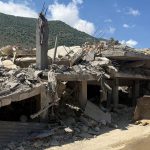
POLICY WIRE — Beirut, Lebanon — It isn’t the explosion that often makes the headlines, but the unsettling silence that follows. The kind of hush where dust motes hang thick in the air, and the distant wail of emergency sirens slowly morphs into a stark reality check. That grim quiet settled over Aita al-Shaab, a humble village perched precariously on Lebanon’s southern frontier, this week. It arrived after an Israeli airstrike, one of many, tore through the day, ultimately claiming eleven lives—civilians caught in the grind of a seemingly ceaseless regional confrontation.
It’s a pattern we’ve all come to know too well, isn’t it? An action, a reaction, a somber count, and then the policy wonks in distant capitals start parsing the diplomatic tea leaves. But here, on the ground, the reality is far more visceral. Homes splintered. Futures erased. And the air, heavy with loss, just adds another layer to the already thick geopolitical fog that blankets this borderland. The recent intensification of Israeli military operations isn’t just a tactical shift; it’s a profound shake-up for communities that already live with an almost unbearable daily tension. [QUOTE_PLACEHOLDER]
This isn’t an isolated incident, not by a long shot. The violence that flares up along the Lebanese-Israeli demarcation line routinely spills over, claiming innocents. International observers, including UNIFIL forces, are practically permanent fixtures in the landscape—ghosts watching ghosts sometimes. The escalating tempo suggests something more than mere tit-for-tat skirmishes; it hints at a calculated expansion of a conflict already stretched thin across multiple theaters. Just look at the sheer numbers: According to a recent report by the UN Office for the Coordination of Humanitarian Affairs (OCHA), over 92,000 Lebanese residents have been displaced from southern villages since October, a stark illustration of the human cost that barely registers on global economic dashboards.
But how does one quantify the human toll when the tally just keeps climbing? You can’t, not really. This isn’t a game, it’s—it’s life and death. The dead aren’t statistics, but grandfathers, children, neighbours. For families across the wider Muslim world, from Cairo’s bustling streets to the serene valleys of Kashmir and the ancient cities of Pakistan, these aren’t just foreign headlines. They resonate. Because for millions, Lebanon’s pain is felt in an immediate, deeply personal way. There’s a shared history, a common narrative of struggle and displacement that binds these regions together, often creating powerful undercurrents of political solidarity and protest that leaders ignore at their peril. And the outrage, it doesn’t stay local; it becomes a global lament, impacting diplomatic postures and international aid considerations.
They’ve all heard it before. The declarations, the condemnations, the empty promises of restraint. They know what this intensification means for the families who’ve lived through generations of conflict. For these communities, peace isn’t just an aspiration; it’s a desperate necessity that feels increasingly out of reach. Policy makers often view these regional flare-ups as compartmentalized issues, but the interconnectivity, particularly in a region with such porous political and emotional borders, tells a different story. It’s all intertwined, every village, every life, every lost future.
The latest strike on Aita al-Shaab—it doesn’t just damage buildings. It chips away at any remaining faith in international guarantees or the efficacy of diplomacy. It’s a cruel arithmetic, trading human lives for perceived strategic advantage, with each blast deepening the resolve of some and the despair of others. You really start to wonder: where does it end? Or rather, does it ever truly end?
What This Means
The recent spike in violence along the Lebanese-Israeli border, exemplified by the tragic incident in Aita al-Shaab, suggests a dangerous phase of escalation, pushing both sides—and their regional patrons—closer to a full-blown conflict. Economically, south Lebanon faces an already desperate situation, made worse by displacement and the destruction of infrastructure and agricultural land. It’s a dire prognosis for local livelihoods, an acute drain on Beirut’s already strained national budget, and a regional humanitarian concern. More broadly, the persistent conflict could derail what little stability is left in a Lebanon still grappling with its own internal crises. Main Street’s Pinch, Wall Street’s Profits: America’s Two-Speed Economy Stirs Discontent highlights how broader economic anxieties often intersect with international instability, and this situation in Lebanon is a stark reminder.
Politically, the heightened tension directly challenges diplomatic efforts to de-escalate and could draw in other regional actors, especially Syria and Iran, who maintain significant influence in Lebanon. This scenario fuels concerns of a wider conflagration that would ripple through the Middle East, possibly destabilizing alliances and challenging international peacekeeping mandates. And for Pakistan and other South Asian nations, there’s always the thorny issue of maintaining their intricate diplomatic balance; balancing relations with Western powers against public sentiment that often leans heavily towards solidarity with the Palestinian and Lebanese people. Their respective foreign offices are surely watching closely. The Muffled Voices, Sovereign Rules: High Court Delivers Executive a New Gavel Over Immigration Bench reminds us how executive power and geopolitical decisions often bypass traditional checks, making these flashpoints even more volatile and harder to manage. The world waits, holds its breath, — and worries about the next shoe to drop.