
Silent Courtroom Triumph: Weedkiller Maker Dodges Thousands of Lawsuits
POLICY WIRE — Washington D.C. — Imagine a judicial gavel dropping, not with a resounding clang of justice, but with a barely perceptible sigh, a quiet exhalation across the nation’s highest...

POLICY WIRE — Washington D.C. — Imagine a judicial gavel dropping, not with a resounding clang of justice, but with a barely perceptible sigh, a quiet exhalation across the nation’s highest bench. That soft sound just insulated one of the world’s agrochemical giants from thousands of claims—some of them pretty serious—alleging its popular weedkiller caused cancer. It’s an interesting moment, isn’t it? Because for countless individuals whose lives were supposedly upended, the path to accountability just got much, much longer. Some might say it vanished.
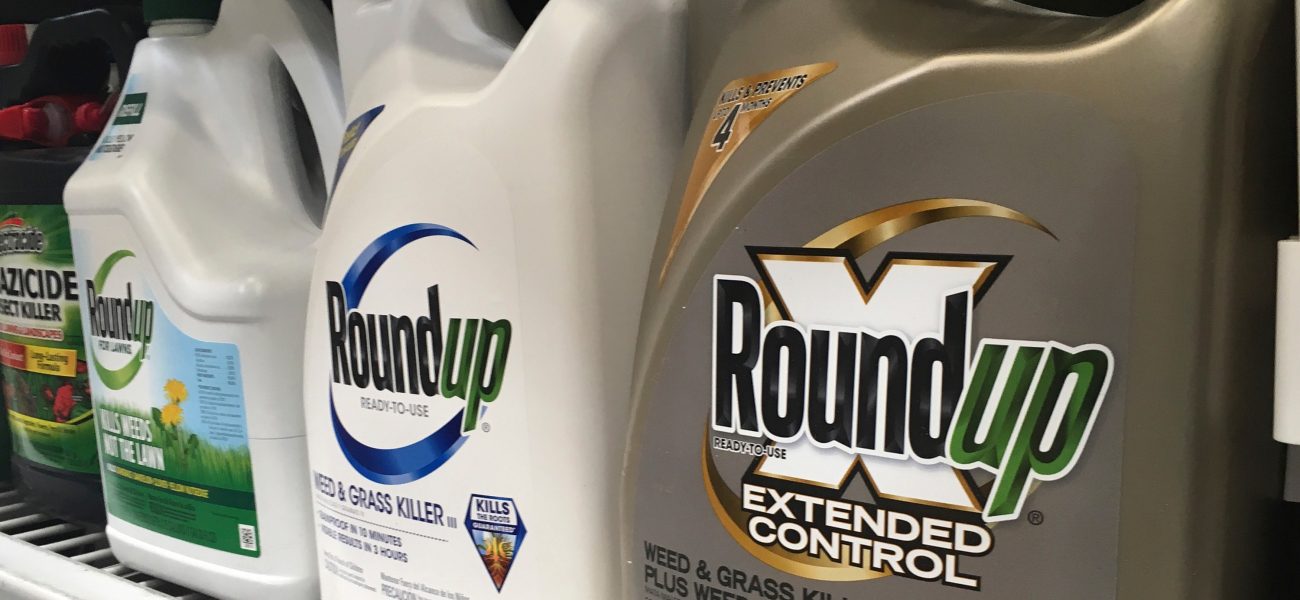
This week, the Supreme Court, through its characteristic silence, opted not to take up an appeal, effectively letting a lower court’s ruling stand. This means that a raft of pending cases, all seeking recompense for alleged harms tied to the use of Roundup, are now blocked from advancing. It’s a move that’s got plaintiffs’ lawyers spitting fire, and the corporation behind the chemical, well, it’s probably uncorking something bubbly, albeit quietly. They’ve been grappling with these legal skirmishes for a long time. [QUOTE_PLACEHOLDER]
The core of the legal debate, for those of us not fluent in jurisprudential argot, really boiled down to whether federal law—specifically the Federal Insecticide, Fungicide, and Rodenticide Act, or FIFRA, for the wonks—preempted state-level failure-to-warn claims. Essentially, the company argued its federal labeling, approved by the EPA, should shield it from state-specific claims that the product didn’t warn users enough about cancer risks. The Supreme Court’s decision, or lack thereof, buys into that idea, at least for now. But it isn’t an outright endorsement, just a pass.
And so, hundreds of thousands of individual stories, cases that were hoping for their day in court, for their arguments to be heard and perhaps, their suffering acknowledged financially, have met a roadblock. A pretty formidable one, actually. Think of the precedent it sets. Companies, you see, might view this as a green light, a tacit affirmation that once federal regulators sign off, they’re mostly clear of the nuisance—and cost—of personal injury litigation at the state level. It feels like one of those big, messy problems the judicial system tends to kick down the road until it’s too big to ignore. This time, they just tossed it into a chasm.
The product at the center of this legal maelstrom, glyphosate—yes, that’s Roundup’s active ingredient—isn’t just sprayed on cornfields in Iowa. Oh no. It’s an indispensable tool in global agriculture, from American soy farms to, you guessed it, the sprawling cotton and wheat fields of Punjab, Pakistan. It’s often employed to control weeds before planting, keeping crop yields high — and costs down. But these savings — and efficiencies have a cost elsewhere, apparently. It isn’t just about local health impacts; it’s about the pervasive influence of corporate giants in shaping global food systems and, sometimes, undermining health standards across different continents. They’ve got market penetration, and it goes deep.
But this ruling, it’s not just about one company or one chemical. It’s a snapshot, a rather stark one, of the continuing power struggle between corporate liability and consumer protection. It feels like a corporate win. You don’t need a crystal ball to see how this decision might embolden other manufacturers of potentially harmful products, especially those with federal regulatory approval, to resist warnings or deflect future litigation. Because, hey, if the Supreme Court lets this slide, why shouldn’t they try?
This pattern, this steady drip-drip of judicial leniency toward powerful corporations, it doesn’t go unnoticed globally. In countries like Pakistan, where environmental regulations and worker protections often lack the teeth of their Western counterparts, such decisions create a ripple effect. They provide less incentive for global agrochemical firms to adopt more stringent safety protocols or to be transparent about risks across all their markets, essentially saying: If you can get away with it in the West, you can probably manage it elsewhere with even greater ease. For folks who rely on these chemicals, often with minimal protective gear and inadequate training, it’s a grim calculus. For instance, according to a report by the Pesticide Action Network, an estimated 20,000 to 25,000 Pakistani farmers and agricultural workers are poisoned by pesticides annually. That’s a staggering figure, and while not all are glyphosate-related, it paints a picture of a population deeply exposed to agricultural chemicals and often lacking robust legal recourse or even basic safety information. It’s not just a U.S. problem.
📄 POLICY WIRE WHITEPAPER PUBLISHED: PAKISTAN'S NATIONAL SECURITY POLICY PRIORITIES
👉 READ BY CLICKING HERELook, the agricultural sector, globally, isn’t going to suddenly abandon these chemicals. We get that. The stakes are too high for food production. But this court decision doesn’t exactly push the industry toward innovation in safer alternatives, does it? Instead, it entrenches the status quo, rewarding a strategy of legal endurance over precautionary principle. It’s a cynical view, perhaps, but it’s hard to ignore what’s right in front of us.
What This Means
This judicial abstention represents a significant strategic victory for the agrochemical industry, certainly, but also for corporate power generally. It doesn’t legally declare Roundup safe—it just narrows the avenues for ordinary people to challenge its safety in court. For companies like Bayer, who inherited this litigation headache with the Monsanto acquisition, it means a substantial reduction in immediate financial exposure, allowing them to redirect capital, perhaps to innovation, or, more cynically, to executive bonuses. And let’s be frank, reducing liabilities of this scale probably just added a few billion to their market capitalization. That’s how it works.
The broader implications are troubling for public health — and consumer advocacy. It raises the bar for proving product liability, creating a disincentive for future plaintiffs and strengthening the defensive posture of federally regulated industries. It pushes the burden squarely back onto regulatory agencies—like the EPA—to ensure robust initial approval processes and ongoing oversight, rather than allowing individual citizens to seek redress when they feel those processes fail. And, let’s be honest, those agencies sometimes move at a glacial pace, pressured by industry — and politicians alike. So you see this interplay of bureaucratic inaction, corporate leverage, and judicial passivity creating a vacuum for the vulnerable. You can bet developing nations, which often mirror, however imperfectly, regulatory and legal frameworks from developed economies, will take note. They’ll adjust their own liability frameworks accordingly, and usually, it’s not in favor of the farmers and laborers. It’s a sad echo of what happens when big business clashes with everyday lives, especially where regulations are weaker, like in some parts of the Muslim world or across South Asia, where people have fewer recourses. It’s a subtle power play, but one with devastatingly concrete impacts on those at the bottom of the food chain—quite literally.