

Shifting Blame to Pakistan Won’t Solve India’s Problems: Address the Real Issues Within
In the ever-evolving political landscape of India, the BJP, under Prime Minister Narendra Modi’s leadership, has mastered the art of creating a narrative that often revolves around blaming Pakistan...
In the ever-evolving political landscape of India, the BJP, under Prime Minister Narendra Modi’s leadership, has mastered the art of creating a narrative that often revolves around blaming Pakistan for India’s internal issues. From issues of national security to political strife, Pakistan is frequently used as a scapegoat. While this tactic has gained traction among many, the real concern lies in the growing awareness among the Indian populace. The public is increasingly seeing through the veil of propaganda, and this shift is particularly evident in the wake of recent incidents, such as the Pahalgam attack.
Under Modi’s leadership, the BJP has effectively used propaganda, fear-mongering, and nationalism to rally support by positioning Pakistan as the primary enemy. While this “us versus them” mentality has worked to unite some people, its effectiveness is waning as more Indians, including intellectuals, activists, and former BJP supporters, begin to see through this narrative. Citizens are increasingly recognizing that issues like unemployment, economic disparity, and social unrest are rooted in internal problems, not external forces, leading to growing disillusionment with the government’s focus on blaming Pakistan.
The BJP’s tenure has been marked by numerous incidents that have raised concerns over India’s internal security and governance, particularly regarding attacks on religious minorities. The 2020 Delhi riots, where Muslims were targeted by radical Hindu groups, and the 2021 attacks on Christian prayer halls exemplify the growing intolerance in the country. These events, coupled with the government’s passive response, have fueled perceptions that the authorities are either unwilling or unable to control such violence. As religious minorities feel increasingly threatened, the government’s focus on external threats like Pakistan has shifted attention away from addressing the deepening internal divisions, creating a sense of insecurity among the citizens.
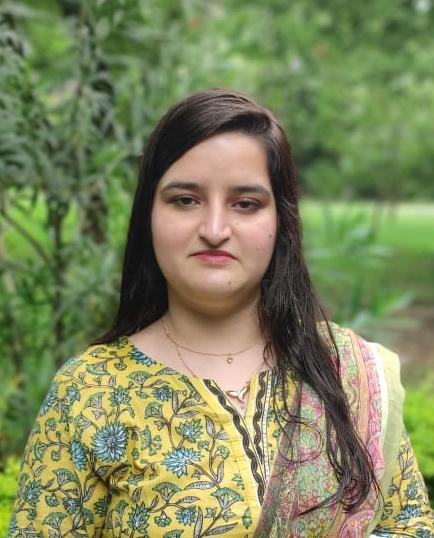
The dissatisfaction with the BJP and its approach has been evident in various videos and protests, especially after incidents like the Pahalgam attack. One recent video, which emerged in the aftermath of the attack, featured a local Kashmiri woman criticizing the government for its failure to protect its citizens. She argued that the real issues were not external, but internal, stemming from the government’s handling of Kashmir and the growing religious divide in the region.
Similarly, Neha Singh Rathore, a Bhojpuri singer and political satirist, recently found herself at the center of controversy after posting a video in which she criticized the BJP for allegedly orchestrating the 2002 Gujarat riots and for using Pakistan as a scapegoat during election seasons. In her video, Rathore claimed that the BJP used communal tensions to divert public attention from internal issues and rally Hindu voters. The video quickly went viral, sparking both support and backlash. In response, a BJP worker filed an FIR against her under Section 153A of the Indian Penal Code, accusing her of promoting enmity between different groups. Despite facing legal action, Rathore stood by her statements, emphasizing her right to free speech and her commitment to holding the government accountable.
In earlier videos, critics have questioned Modi’s government over its inability to address the core issues affecting citizens, from rising inflation to growing religious intolerance. These voices, which were once a minority, are growing louder as more people start questioning the logic of continuously blaming Pakistan for domestic issues. The Pahalgam attack has only intensified the demand for accountability within India, prompting many to ask why the government is quick to point fingers outward while the country is burning from within.
Instead of repeatedly shifting blame to Pakistan, the Indian government must face the reality of its internal struggles. The Pahalgam attack and similar incidents highlight the lack of security and effective governance in regions like Kashmir. Rather than focusing on external threats, Modi and his administration must turn their attention to the pressing issues within India’s borders.
The government needs to address the concerns of its citizens, issues that go beyond the external political narratives. From economic instability to rising sectarian violence, these are the problems that need urgent attention. The government’s failure to manage domestic unrest is a bigger threat to national security than any foreign adversary. It’s time to stop deflecting criticism onto Pakistan and start addressing the root causes of the dissatisfaction within the country.
As videos and testimonies from everyday citizens flood social media platforms, it becomes increasingly clear that the Indian public is no longer willing to accept the narrative that external forces are solely responsible for the country’s issues. The videos post-Pahalgam attack have reinforced this realisation, with more people demanding an end to the government’s reliance on scapegoating foreign enemies. Citizens are beginning to recognize that the government’s failure to address core problems is what truly puts the nation at risk.
Restoring public trust in the government requires addressing the real challenges faced by Indian citizens, not deflecting attention towards external factors. If Modi and his government want to regain the confidence of the people, they need to stop deflecting blame and take accountability for their governance.
Blaming external forces like Pakistan is an easy escape for the government, but the real challenge lies in addressing India’s internal issues. Growing dissent, especially after incidents like the Pahalgam attack, shows that citizens are now aware of the true threats to peace, domestic issues like unemployment, economic disparity, and religious intolerance. The government must shift its focus inward and listen to its people, who are no longer in favour of war and conflict, but seek solutions to the country’s real problems.
Author