

Shadows in the Archipelago: US Student’s Demise in Japan Rattles Diplomatic Complacency
POLICY WIRE — Tokyo, Japan — The subtle tremor beneath the polished facade of Tokyo’s carefully managed serenity sometimes goes unnoticed. We’re told it’s one of the safest places on...

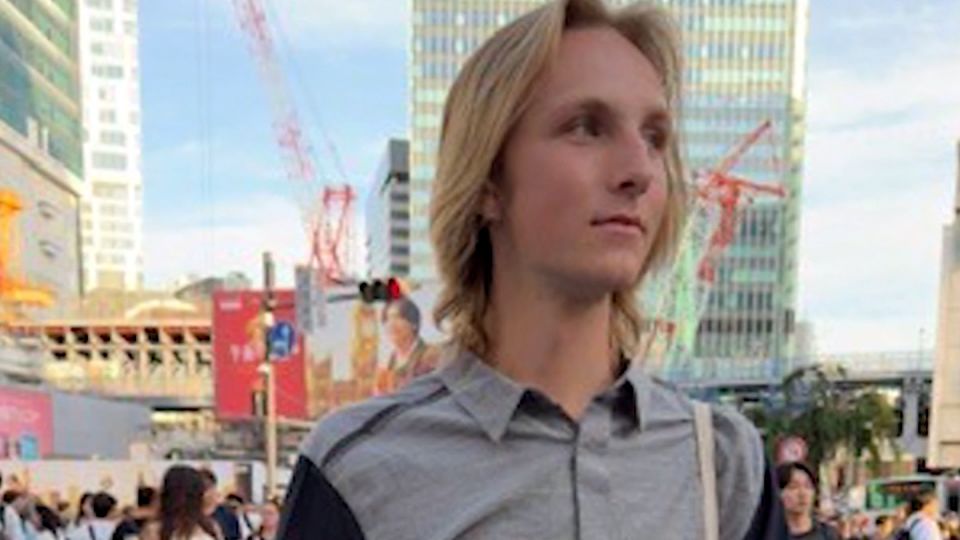
POLICY WIRE — Tokyo, Japan — The subtle tremor beneath the polished facade of Tokyo’s carefully managed serenity sometimes goes unnoticed. We’re told it’s one of the safest places on Earth, a factoid often trotted out during discussions of international travel or expatriate living. But safety, it seems, isn’t always an impermeable shield. It’s a perception, — and that perception can fracture with devastating ease. The recent confirmation that a missing US college student has been found dead in Japan has done just that.
It wasn’t a sensational headline from the get-go. No, it began with quiet concern, an absent face in a bustling metropolis. Friends got antsy, then family. Weeks stretched into an excruciating, gnawing limbo, a period often dismissed by officials as just one of those things — cultural adjustment, youthful indiscretion, you name it. They couldn’t say for sure, of course. Nobody could. But now, it’s etched in black — and white: tragedy. [QUOTE_PLACEHOLDER]
This incident—a somber punctuation mark in an otherwise idyllic narrative of international exchange—has, as these things do, kicked off a round of hand-wringing. But beyond the immediate heartbreak, there’s a flicker of a much bigger story. It’s about the vulnerability of young lives abroad, the diplomatic tightrope walk, and how even the most tranquil nations harbor unseen corners. And it’s not just American students, either. This narrative stretches globally, impacting those from nations less frequently spotlighted in the Western press.
Japan’s low crime rate is, without question, legendary. It’s a point of national pride. But what happens when the narrative doesn’t align with reality for even one individual? The embassy scramble, the cautious official statements, the inevitable privacy concerns – they all play out against a backdrop of public expectation. That expectation, for visiting nationals and their home governments, is simple: safety, a certain assurance of well-being. But life—it’s complicated, messy, full of unexpected turns. This case, I tell ya, just lays that bare.
When news of the student’s disappearance first circulated, there was an initial sense of disquiet, particularly among foreign resident communities. This demographic, often transient — and reliant on well-worn channels for support, felt a subtle shift in the air. For international students, it’s particularly acute; they’re navigating new cultural codes, a different legal system, and, in many cases, a language barrier. The sheer number is telling: In 2022, there were nearly 300,000 international students in Japan, according to the Japan Student Services Organization (JASSO). That’s a lot of folks from different corners of the globe, each carrying their own dreams, their own families’ hopes. And their own vulnerabilities. You just don’t think about it until something goes sideways.
And because the victim was an American, the glare, naturally, intensified. Washington, bless its heart, has an entire protocol for such events. Consular affairs officers would have been working round the clock, managing communication between Japanese authorities and the grieving family. It’s a grim, unyielding duty, one that tests the mettle of even the most seasoned diplomat. For Tokyo, there’s the pressure to offer reassurance, to avoid any impression of lax oversight in its highly-regarded security apparatus. It’s a delicate dance, often conducted away from public scrutiny, until a public finding forces everyone to take note.
But the story of a young life cut short abroad reverberates far beyond embassy walls. It triggers conversations in other capitals, in other communities that send their youth out into the world. Think of the tens of thousands of students from Pakistan, India, Bangladesh—indeed, the broader Muslim world—who pursue education in countries like Japan. They, too, face similar challenges: isolation, cultural differences, — and the latent fear of the unknown. They’ve often left their comfort zones for opportunities, for a global education. When such an incident occurs, it doesn’t just register in US State Department cables; it sends shivers through families halfway across the world, prompting renewed debate on the actual safety promised by academic brochures and government programs. Policy, after all, isn’t just about trade deals; it’s about people, their hopes, their tragedies.
What This Means
The death of this US college student, however localized in its direct impact, serves as a stark reminder of the complexities embedded within international relations and soft power initiatives. Japan relies heavily on its image as a hyper-safe, technologically advanced, and culturally rich destination to attract both tourists and students. Any event that cracks this perception, even incrementally, risks broader implications for its global standing and economic strategies.
From a political standpoint, this puts US and Japanese diplomatic efforts—aimed at fostering robust cultural and educational exchange—under renewed, if quiet, pressure. Washington will need assurances regarding the investigation’s thoroughness and transparent communication with its citizens. This isn’t just about a single tragedy; it’s about setting precedents for the safety and welfare of all foreign nationals. For other nations, particularly those from the global South—where economic disparities often necessitate international study—such incidents can be deeply unsettling. They spark parental anxieties, complicate travel logistics, and sometimes even inform political discourse around government advisories for their citizens abroad. The human cost of such incidents always exceeds the sum of its immediate parts; it rattles confidence in global mobility itself. These ripples—they reach far.