

Lifeguard vs. Pride: The Cold Front at the Community Pool Heads to Court
POLICY WIRE — San Antonio, USA — It started, as many cultural conflagrations often do, with a seemingly benign municipal memo about June festivities. Not a major federal proclamation, not even state...

POLICY WIRE — San Antonio, USA — It started, as many cultural conflagrations often do, with a seemingly benign municipal memo about June festivities. Not a major federal proclamation, not even state legislature; just some local government—let’s say it’s San Antonio (or a place just like it)—sending around guidelines for celebrating Pride Month. Little did anyone suspect that this administrative blip would ripple outwards, culminating in a courtroom showdown between a lifeguard and his former employer. It wasn’t about swimming or safety, mind you. It was about a flag, a T-shirt, and deeply held beliefs that now have everybody scratching their heads over what religious freedom truly means in a public square.
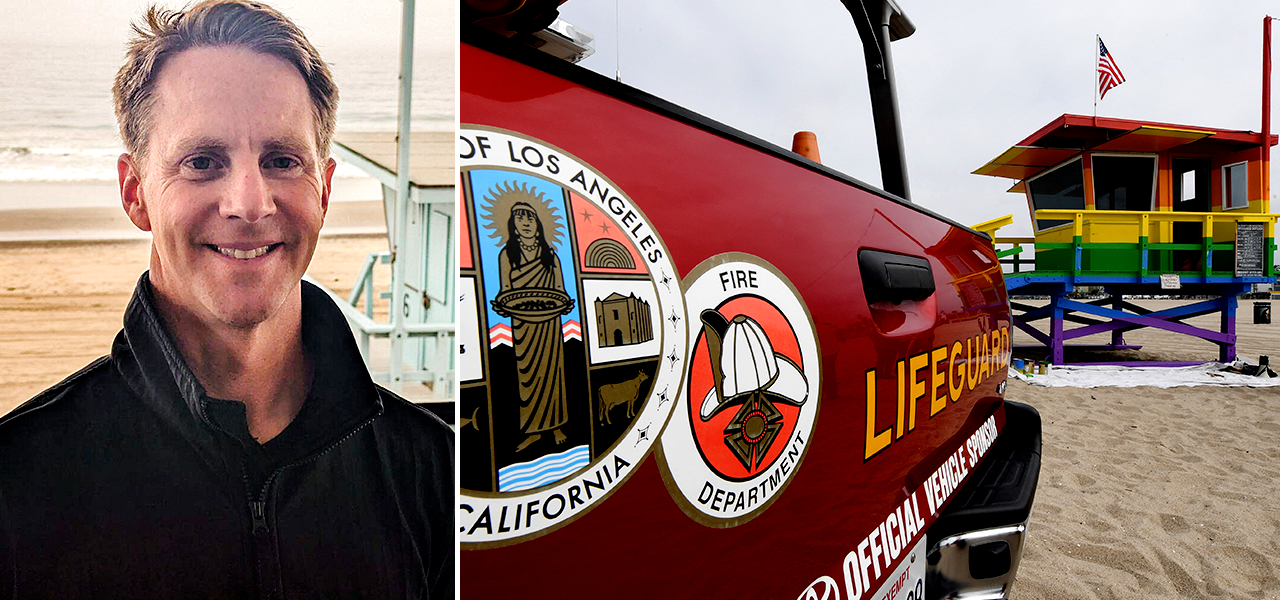
Johnathan Hayes, a lifeguard with a spotless record, found himself in hot water—or rather, cool pool water—after telling his supervisors he couldn’t, wouldn’t, participate in Pride-related duties. And here we thought lifeguards were only worried about cannonballs — and rogue pool noodles. His refusal wasn’t arbitrary, you see; it stemmed from his devout Christian faith. He told managers that observing and celebrating Pride, in any official capacity, directly conflicted with his spiritual convictions. And just like that, the serene summer job got complicated, turning into a bureaucratic skirmish.
The city’s response was swift and, from their perspective, by the book. They informed Hayes he needed to perform all assigned duties, regardless of personal feelings. They emphasized workplace policies, the inclusive nature of city-sponsored events, and, well, the whole employment contract thing. Hayes didn’t budge. He suggested alternatives, like perhaps letting another lifeguard cover the Pride event shifts or allowing him to work elsewhere during that specific period. The city, predictably, was not thrilled with this bespoke scheduling. So, what happened next? Suspension. Then, ultimately, termination, leaving a long-serving employee jobless and feeling, [QUOTE_PLACEHOLDER], targeted because of his Christian faith. But don’t you worry; this isn’t some quiet exit. The man’s lawyers, part of a high-profile conservative legal foundation, smell a big lawsuit.
It’s become a full-blown federal court case, positioning religious liberty directly against anti-discrimination statutes. This isn’t just a minor squabble over shifts, no sir. It’s a clash of fundamental rights, played out in the usually uncontentious arena of a community recreation department. But really, this particular friction isn’t confined to American shores. Similar societal chasms regarding traditional values versus modern expressions of identity often plague discourse in various parts of the world, especially in countries like Pakistan. You’ve got movements for minority rights pushing up against a deep-rooted cultural conservatism that views certain expressions as affronts to religious or moral norms. Consider the ongoing, often heated, public debates over blasphemy laws or even dress codes in public spaces in some Muslim-majority nations—they’re certainly not identical issues, but the underlying tension between individual freedom of expression and collectively held religious values feels, well, oddly familiar. They’re just on a different scale, with sometimes tragically stark consequences, as we saw in cases like the one described in Pakistan’s Influencer Murder.
This isn’t about hate. Hayes isn’t accused of actively harassing anyone, or spewing vitriol. It’s an internal, personal refusal to actively sanction an event. It’s a very specific kind of objection, — and that’s why it gets tangled. Organizations advocating for LGBTQ+ rights, naturally, contend that public entities cannot accommodate religious exemptions that would, in effect, diminish or delegitimize the protected status of other groups. But critics of the city’s actions claim the city isn’t actually being inclusive—just selectively so. The Equal Employment Opportunity Commission (EEOC) data from 2023, for instance, shows over 12,000 charges of religious discrimination filed in the U.S. alone, highlighting just how common these workplace conflicts really are. So yeah, this isn’t an isolated incident; it’s a symptom of a larger, ongoing American culture war, just with more chlorine.
📄 POLICY WIRE WHITEPAPER PUBLISHED: PAKISTAN'S NATIONAL SECURITY POLICY PRIORITIES
👉 READ BY CLICKING HEREHayes’ attorneys are arguing his religious rights under Title VII of the Civil Rights Act were trampled. They insist that the city could’ve, should’ve, easily accommodated his beliefs without undue hardship to the municipality. The city, of course, disputes this vehemently, claiming that making exceptions for something so central to their inclusivity messaging would create, [QUOTE_PLACEHOLDER], a chaotic and discriminatory environment for other employees and the public. It’s a legal Gordian knot, but with less history — and more swimwear.
But how does one navigate a public sector workplace when an employee’s sincerely held faith clashes with an employer’s diversity and inclusion initiatives? That’s the billion-dollar question. And for Hayes, it’s personal; it’s about his job, his beliefs, and his ability to live consistently with his conscience, even at the swimming pool. That’s why he’s taking it to trial. He feels like he’s been backed into a corner, forced to choose between his livelihood — and his faith. That’s not a fun spot to be in for anybody, no matter where you stand on the wider political spectrum.
What This Means
This lifeguard’s battle, currently splashing its way through the federal court system, represents more than just a localized employment dispute. It’s a microcosm of the larger societal struggle to reconcile deeply entrenched, often diametrically opposed, value systems within the shared space of a pluralistic democracy. The outcome will inevitably influence how public sector employers, across countless jurisdictions, manage similar situations involving religious accommodation versus broader anti-discrimination policies. A ruling favoring Hayes could strengthen employee religious protections, potentially leading to more employers offering concessions for faith-based objections to workplace activities or initiatives. But, conversely, a win for the city would reinforce the primacy of collective anti-discrimination efforts and inclusive mandates within public employment, possibly compelling individuals to participate in activities that, regardless of personal conviction, are deemed essential to the employer’s stated values. It could set a precedent that civic engagement, especially for those in public-facing roles, sometimes requires participation that transcends personal theological boundaries. Regardless of who wins, this isn’t the last we’ll hear of such dilemmas. It just feels like society’s perpetually searching for a steady equilibrium that, alas, it never quite manages to hold. For anyone wanting a broader understanding of how different social policies cause real societal effects, sometimes, Hollywood Echoes Policy’s Pitfall is worth a look.