


Shadow of Adulthood: Teen Faces Maximum Justice for Business Grad’s Murder
POLICY WIRE — Capital City, USA — It’s an inconvenient truth that justice, often lauded as blind, sometimes stumbles when confronting raw, jarring innocence. The local district attorney, a...

POLICY WIRE — Capital City, USA — It’s an inconvenient truth that justice, often lauded as blind, sometimes stumbles when confronting raw, jarring innocence. The local district attorney, a seasoned hawk in these legal skirmishes, isn’t shying away. He’s formally requested a waiver—a judicial bypass—to bump the case of a 14-year-old, known only as ‘J.R.’ to the adult court system. This isn’t shoplifting. This is allegedly murder. A business school graduate, an ambition newly minted, is dead. The ramifications? They’re long, and they’re grim.
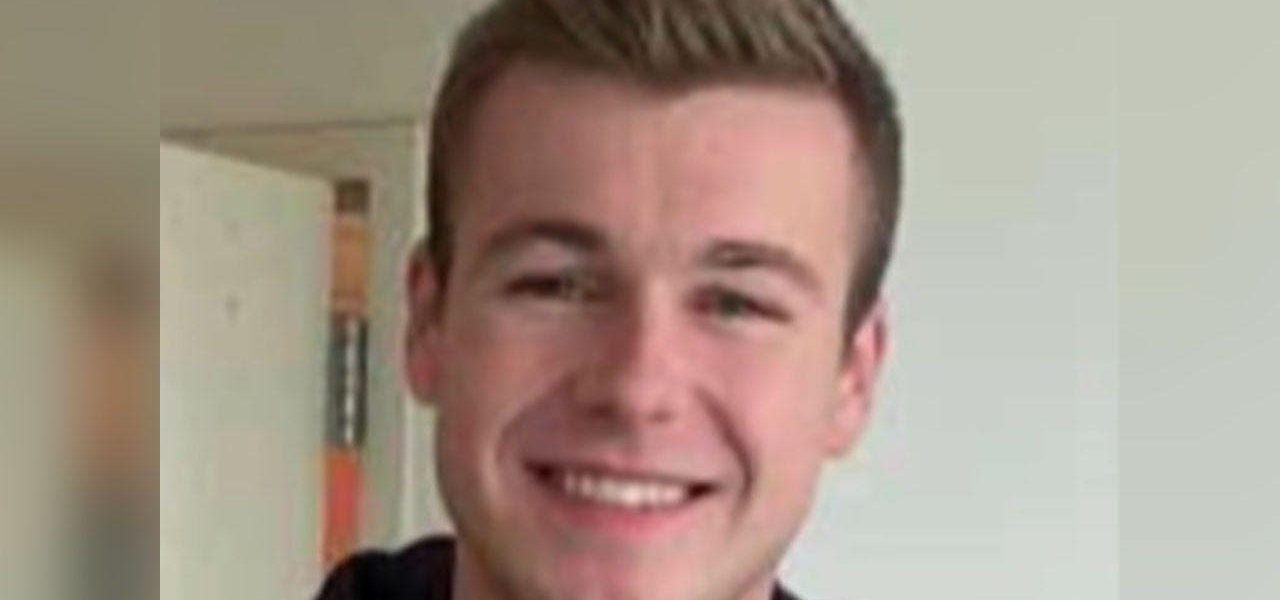
The alleged act itself — the fatal shooting of 23-year-old Bilal Malik, mere weeks after he’d celebrated his diploma with family both local and abroad — already casts a pall. But Malik’s youthful killer being hauled before a system designed for full-grown predators? That’s where the true societal unease nests. Because it isn’t just about punishment; it’s about the erosion of a foundational tenet: that children, however misguided, deserve a pathway different from the one reserved for hardened criminals.
The prosecutor’s office has remained stoic, publicly asserting [QUOTE_PLACEHOLDER]. They’ve outlined the statutory criteria, making clear that the gravity of the offense, coupled with an apparent lack of prior intervention success (if any existed), leaves them little alternative. But critics are quick to point out the disjunction. What exactly does one do with a mind still grappling with algebraic equations and budding hormones, now potentially staring down a life sentence without parole?
Malik’s family, heartbroken and adrift, particularly his relatives following the news from Lahore, Pakistan, seeks nothing less than absolute justice. His aunt, speaking to local media via video link, lamented [QUOTE_PLACEHOLDER]. It’s a grief that transcends borders, a bright future extinguished too soon. Malik was the pride of his family, his success story echoing through generations, a testament to relentless striving. And now, the dreams of a Pakistani diaspora, watching a son achieve the ‘American dream’, have been brutally dashed.
But the numbers themselves tell a stark tale. The Justice Policy Institute, for instance, reported that between 1985 and 2000, 31 states broadened the criteria or removed age restrictions for trying juveniles as adults. This aggressive swing toward punitive measures doesn’t automatically correlate with reduced crime rates; in many cases, it doesn’t. Young offenders processed in adult systems are 34% more likely to be rearrested for violent offenses than those kept in juvenile court. Those statistics don’t get cited nearly enough by the politicians baying for blood.
Juvenile defenders — and child advocates are already mobilizing. They argue that transferring children to adult court leads to worse outcomes, both for the individual and for public safety. Adult prisons are, by their nature, more dangerous environments for minors, where the influences of more sophisticated criminals can shape a nascent identity already struggling. They say J.R.’s still just a kid, even if the alleged act wasn’t. And what about rehabilitation? They say that’s often an afterthought when you label someone a fully fledged criminal before they can even vote.
📄 POLICY WIRE WHITEPAPER PUBLISHED: PAKISTAN'S NATIONAL SECURITY POLICY PRIORITIES
👉 READ BY CLICKING HEREThis isn’t an isolated phenomenon. Throughout the Muslim world, from family law in Pakistan to Sharia-influenced systems in the Gulf, distinctions for juvenile culpability are ingrained, often prioritizing reformation over pure retribution. But here, in a country obsessed with being ‘tough on crime’, these nuances often fall by the wayside. A child’s age often feels less like a shield and more like a flimsy excuse when stacked against the fury of public sentiment.
Because the public wants answers. They want accountability. And they want someone to pay. J.R.’s defense team, undoubtedly outmatched resources-wise, will undoubtedly argue for mitigating factors, the nuances of a young brain’s development—the science, in other words. They’re going to paint a picture of a frightened boy, lost — and confused, not a calculated killer. But will it be enough? The political pressure for prosecutors to appear resolute is immense, especially in cases that ignite such raw emotions.
And let’s be real, the prosecutor knows the headlines this decision will generate. He’s banking on public approval. This isn’t a blind calculation; it’s a strategic play in a much larger, grim chess game of law — and order. The victim’s family deserves closure, but at what cost to the principles of juvenile justice? Beyond the cradle, justice’s cold grip seems to be tightening around this child, irrespective of the long-term societal fallout.
What This Means
This prosecutor’s move isn’t just about a single, tragic case; it’s a harsh reminder of America’s increasingly punitive posture towards even its youngest alleged offenders. Economically, trying a minor in adult court often incurs greater costs—longer incarceration periods, increased security needs, and ultimately, a higher recidivism rate that burdens future social programs and law enforcement. Politically, it’s a high-stakes gamble. Prosecutors gain points for being ‘tough’ in the short term, but face potential long-term blowback from civil liberties groups and juvenile justice reform advocates. For the community, it represents a further fraying of the social contract, blurring the lines between childhood error and adult malevolence. For a demographic like Malik’s family, representing countless ambitious immigrants, it injects a bitter understanding: even hard-won success offers no immunity from random violence, and the system’s response might feel more vengeful than truly just. It signals a society increasingly willing to sacrifice developmental psychology on the altar of immediate, unambiguous retribution. It won’t fix anything, but it’ll make everyone feel better, at least for a while.