

Shadow Games: Putin’s Digital Empire and the Illusion of Control
POLICY WIRE — Moscow, Russia — Forget the bare-chested horseback rider, the tae-kwon-do master, or the deep-sea explorer. That’s the old playbook, a carefully stage-managed ballet for domestic...

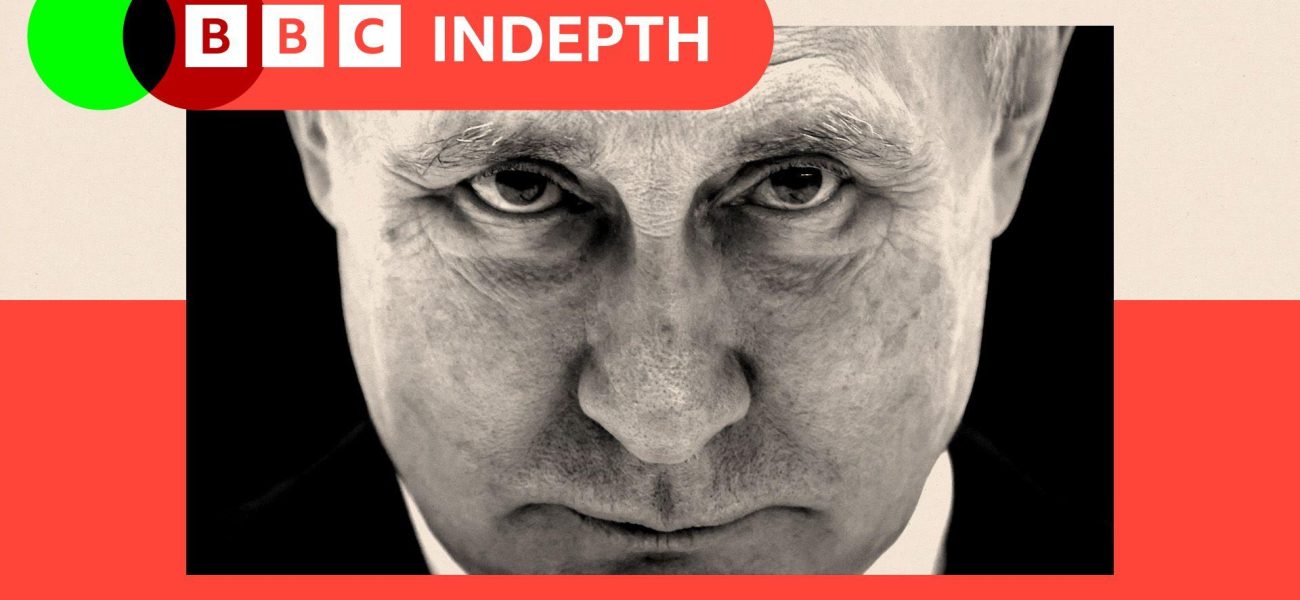
POLICY WIRE — Moscow, Russia — Forget the bare-chested horseback rider, the tae-kwon-do master, or the deep-sea explorer. That’s the old playbook, a carefully stage-managed ballet for domestic consumption. But Vladimir Putin’s real genius – or perhaps, his chillingly effective innovation – wasn’t just in posing for the cameras; it’s in constructing an almost impervious digital ecosystem where his image isn’t merely projected, but manufactured, guarded, and disseminated with the cold precision of a military operation.
It didn’t happen overnight, you know. Decades of cultivating a persona, yes, but more importantly, investing deeply in information infrastructure. From state-controlled television networks to an army of online commentators and a sophisticated censorship apparatus, Russia didn’t just adapt to the digital age—it weaponized it. They’ve built something formidable, something designed to filter out dissent and amplify approved narratives, turning every news cycle into another brushstroke on a self-portrait of strength and unwavering resolve. [QUOTE_PLACEHOLDER]
Consider the information flow during times of crisis. Western observers often scratch their heads, baffled by the unwavering support within Russia for policies widely condemned abroad. It’s not just ignorance; it’s an architecture of perception. Imagine a massive, intricate firewall, one that doesn’t just block outside information but actively curates and reshapes it before it reaches the public. That’s Putin’s digital realm. But he didn’t just control the message at home. He extended that reach, exporting narratives to nations ripe for an alternative viewpoint to traditional Western media.
Because, let’s be frank, for many across the developing world, particularly in countries like Pakistan, the constant stream of Western news often feels biased or, worse, irrelevant to their daily struggles. Russia’s state-backed media outlets, like RT and Sputnik, didn’t just offer an alternative; they offered an *anti-Western* alternative. They provided a lens through which geopolitical events, say, in Ukraine, could be framed not as aggression but as self-defense against perceived NATO expansionism. It’s a powerful counter-narrative, often resonating with those harboring historical grievances or looking for multipolar geopolitical alliances.
It’s not just about what they say, it’s how they say it—and crucially, what they don’t say. The vacuum of unfiltered information is rapidly filled. This deliberate cultivation of an information environment has had tangible effects. According to a 2022 survey by the Levada Center (an independent Russian pollster recognized as a foreign agent by the Russian government), a staggering 83% of Russians approved of Putin’s activities as president, a figure maintained despite widespread international condemnation of certain policies. This isn’t blind loyalty; it’s a testament to the comprehensive nature of the image he has carefully constructed over years, making it an unassailable bastion against external criticism.
But the real trick? Making it look effortless. He makes it seem like his image is a natural extension of his statesmanship, not a product of hyper-calculated strategizing and immense resource allocation. He’s always projected an air of a man of action, unburdened by political niceties, willing to do what’s necessary for the homeland. That narrative plays well with a populace weary of perceived Western encroachment, providing a powerful emotional hook that bypasses purely rational assessment. It’s raw, it’s visceral, — and it’s effective.
And so, as the world grapples with shifting geopolitical sands, it’s worth considering that much of what we perceive about Russia’s leadership—both internally and externally—is a direct consequence of a deliberate, sustained, and extraordinarily expensive campaign to master the global information space. He’s not just leading a country; he’s orchestrating a reality, one story, one pixel at a time.
What This Means
The geopolitical implications of Russia’s carefully managed image machine are profound. This isn’t just about influencing public opinion; it’s about projecting power and consolidating internal support necessary for strategic maneuvering on the global stage. For the Kremlin, maintaining a coherent and strong public image at home, combined with an alternative narrative abroad, allows for greater freedom of action, largely insulating leadership from the kinds of internal pressures or international opprobrium that might plague other states. Think of it: if your population believes the sky is purple, even overwhelming evidence of blue becomes ‘fake news.’ That kind of informational fortress is incredibly hard to breach. And it matters hugely for diplomacy, for sanctions, for any international pressure tactic.
Economically, this strategy directly supports Russia’s long-term objectives. By controlling narratives around sanctions or economic hardships, the leadership minimizes potential unrest, ensuring stability needed to pivot economic strategy (say, toward China or other Asian markets) without facing significant domestic pushback. This capacity for internal resilience, despite external pressures, buys Moscow valuable time — and leverage. It means that traditional democratic pressures—where public dissatisfaction can sway policy—are effectively neutralized, giving the regime immense latitude to pursue its interests unencumbered.
It also sets a dangerous precedent, doesn’t it? Other authoritarian states, from Beijing to smaller regimes in the Muslim world like some Gulf monarchies, are undoubtedly watching and learning from Russia’s sophisticated play. The blueprint for modern information warfare isn’t just being written; it’s being refined in real-time, showing how a government can effectively compartmentalize its population from external critiques while simultaneously sowing discord and confusion internationally. Understanding these media dynamics—how narratives are shaped and consumed—is crucial for comprehending modern political stability and instability alike. It makes navigating the global information landscape feel like stepping into a hall of distorted mirrors, where truth isn’t just subjective, but often strategically constructed.