

Severe Drought: Europe’s Waterways Dry Up Amid Record Heatwaves
Unprecedented heatwaves and droughts have caused significant drying of Europe's major waterways, impacting ecosystems and human activities.

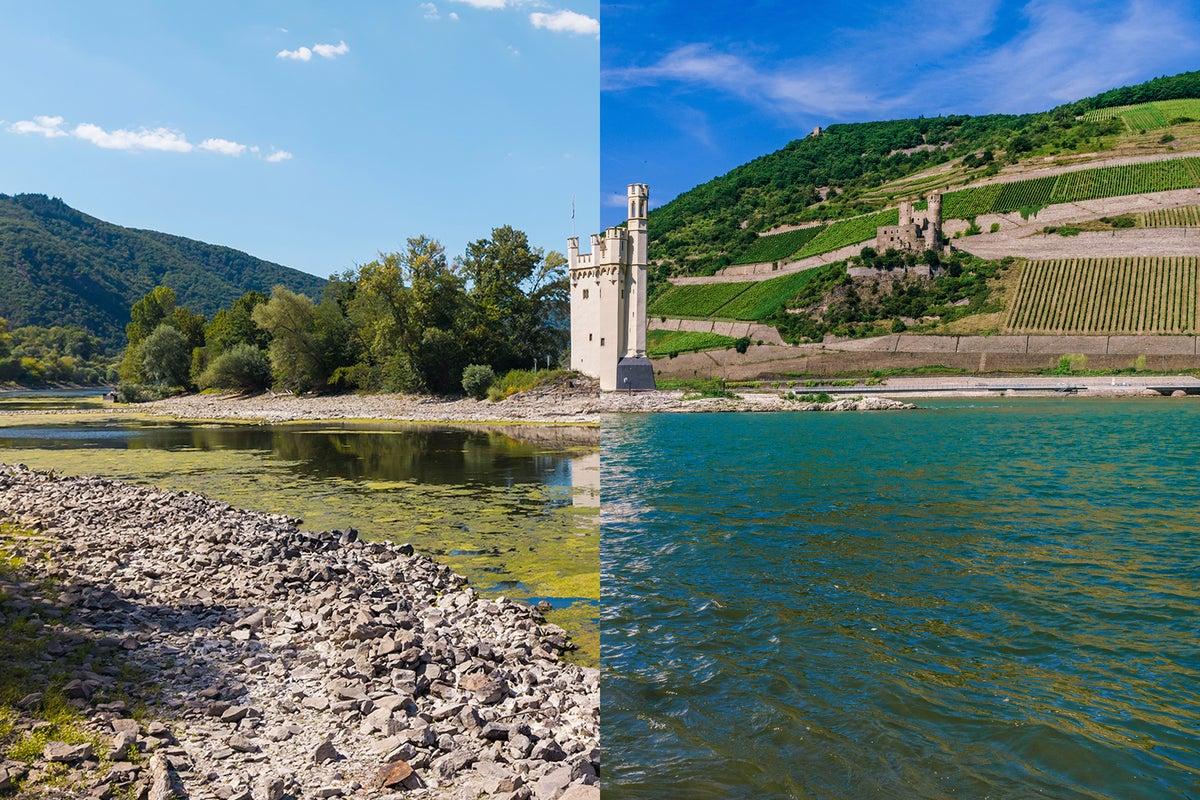
POLICY WIRE — City, Country — Recent photographs starkly illustrate the dramatic impact of record-breaking heatwaves on Europe’s waterways. Major rivers, lakes, and reservoirs across the continent have experienced significant reductions in water levels, exposing previously submerged areas and impacting local ecosystems and human activities.
In France, the Loire River has reached critically low levels, exposing large expanses of riverbed. Similarly, Italy’s Po River, the country’s longest, has seen substantial reductions in flow, affecting agricultural activities and drinking water supplies. The Rhine River in Germany, a vital commercial artery, has also faced severe drops in water levels, hindering barge traffic and industrial operations.
The situation is equally dire in Spain, where the Ebro River — and numerous reservoirs have hit historic lows. Spain’s government has implemented stringent water-saving measures, including restrictions on agricultural irrigation and public water usage. Portugal is also grappling with severe drought conditions, with the Tagus River basin experiencing unprecedented low water levels.
Experts attribute the drying of these waterways to a combination of factors, including prolonged periods of high temperatures, reduced rainfall, and changing weather patterns linked to climate change. The European Environment Agency (EEA) has warned that such extreme weather events are likely to become more frequent and severe in the coming years.
The environmental impact of these droughts is profound. Aquatic ecosystems are under stress, with fish populations declining — and habitats deteriorating. Terrestrial ecosystems are also affected, as reduced water availability impacts plant growth — and wildlife. The economic consequences are significant, particularly for agriculture, which relies heavily on consistent water supplies.
Governments across Europe are responding with a mix of emergency measures and long-term strategies to mitigate the effects of drought. These include investments in water infrastructure, promotion of sustainable water use practices, and efforts to enhance climate resilience. However, the scale of the challenge underscores the urgent need for coordinated action at both national and European levels.
Reporting by Policy-Wire (PW)