


Serena’s Grass Court Gambit: Queen’s Signals Queen’s Unlikely Encore
POLICY WIRE — London, UK — Remember when Serena Williams was “evolving away” from tennis? It wasn’t that long ago, a seemingly definitive farewell tour that felt heavy...

POLICY WIRE — London, UK — Remember when Serena Williams was “evolving away” from tennis? It wasn’t that long ago, a seemingly definitive farewell tour that felt heavy with finality. Yet, here we’re, facing down another British summer, and the undeniable matriarch of modern tennis isn’t quite done after all. She’s back. Not just puttering around in some charity exhibition, but stepping onto the manicured grass of Queen’s Club for the HSBC Championships — a move that feels less like a nostalgic nod and more like a carefully calibrated declaration.
It’s not about singles glory this time, mind you. At 44, Williams is set for the women’s doubles, partnering a young talent, Canada’s Mboko. It’s an intriguing wrinkle, a low-stakes return perhaps, but one that electrifies the grass-court circuit ahead of Wimbledon. And that, frankly, is where the story begins. Because no one — not the fans, not her rivals, certainly not the ever-present rumor mill — had entirely put Williams out to pasture. Her shadow, long — and commanding, still looms over the game.
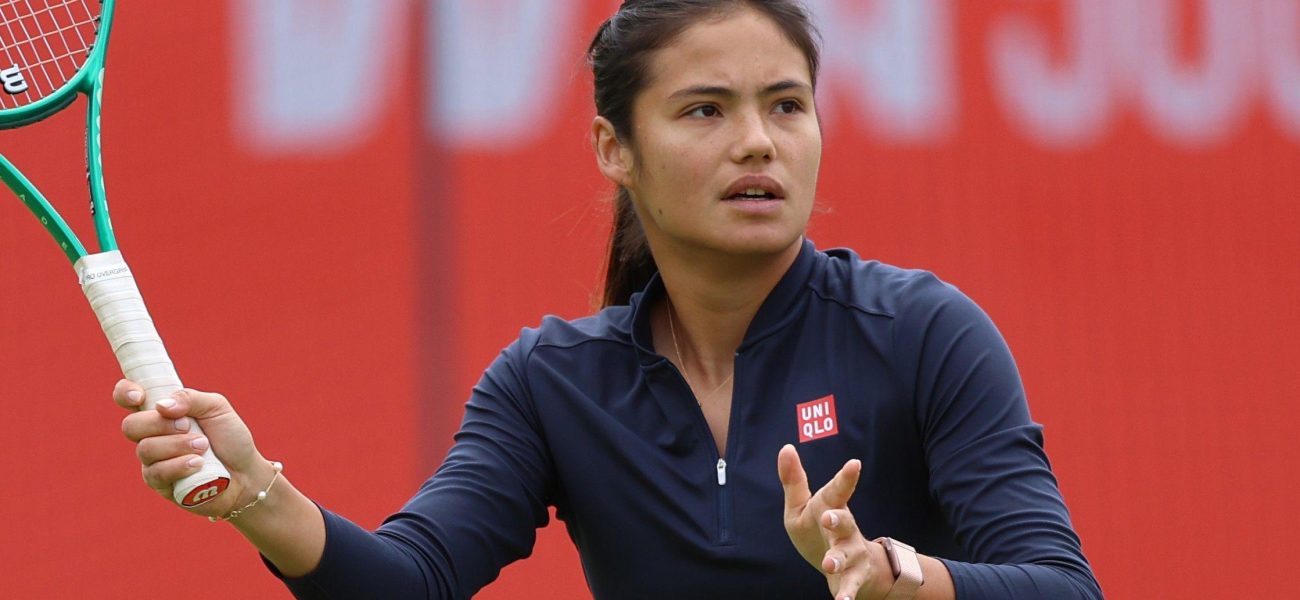
And so, while British tennis hopes continue their long, sometimes agonizing, journey, a different kind of legend makes her quiet re-entry. Emma Raducanu, Britain’s “next big thing” — bless her — is also on the docket, fighting for traction after a quarter-final showing last year. She’ll face stiff competition in a draw headed by the formidable Elena Rybakina, the reigning Australian Open champ and world number two. But let’s be frank, even with home-grown stars like Raducanu, Cameron Norrie, and Jack Draper, it’s Serena who remains the gravitational pull. It’s her name that sells tickets, fills seats, and — crucially for broadcasters like the BBC — draws eyeballs.
“Her competitive fire, even after what many perceived as her retirement, burns as brightly as ever,” observed Steve Simon, WTA Chairman and CEO, from his offices in Florida. “We always knew a talent of Serena’s magnitude would eventually find a path back if she truly desired it. This appearance at Queen’s? It confirms her enduring love for the sport and her absolute unwillingness to be relegated to the sidelines.” Indeed. But this isn’t just about an aging star’s encore; it’s a savvy chess move, positioning herself for Wimbledon. A classic Serena power play, if you ask us.
But the tennis narrative isn’t solely contained to court-side dramatics. These events represent far more than just sporting contests. They’re cultural touchstones. And even in nations where cricket reigns supreme — you know, the places like Pakistan, where every other street kid dreams of being Babar Azam or Shaheen Afridi — the global appeal of tennis, particularly a returning legend like Serena Williams, creates undeniable ripples. Viewership spikes during Grand Slams from Lahore to Karachi, feeding a subtle but growing appetite for racket sports.
“Such comebacks, from figures who transcend their sport, inspire entirely new generations across diverse geographies,” offered Ayesha Durrani, a prominent sports sociologist from Islamabad University. “It’s not just about tennis; it’s about tenacity, about challenging preconceived notions of age or ‘the end.’ These stories resonate powerfully, especially with young girls in societies where sporting role models might be scarce.” And she’s got a point. You can’t put a price on that kind of global motivation. These British tournaments — despite their traditionally staid reputations — are now viewed, via international broadcast deals and social media, in hundreds of millions of homes globally. One estimate from UK Sport suggests that major sporting events like this contribute an estimated £11.3 billion to the UK economy annually, painting a picture of just how impactful these “games” really are.
📄 POLICY WIRE WHITEPAPER PUBLISHED: PAKISTAN'S NATIONAL SECURITY POLICY PRIORITIES
👉 READ BY CLICKING HEREIt’s all set to unfold. The women’s tournament kicks off June 8th, followed by the men’s on June 15th. Coverage will be ubiquitous across BBC platforms, ensuring everyone gets their fill. It speaks to a broader truth: sport, whether it’s tennis or cricket, isn’t just about who wins; it’s about the stories, the resilience, the unexpected comebacks, and the fierce battle against expectation that keep us all watching.
What This Means
Serena Williams’ surprising re-entry into competitive play at Queen’s isn’t just a nostalgic footnote; it’s a calculated strategy with broader implications for both the athlete and the sport. For Williams, it allows her to test her fitness and form on grass, crucially, outside the suffocating glare of a Grand Slam debut. It’s a low-pressure ramp-up, affording her the opportunity to fine-tune her game and mentally prepare for Wimbledon — where she’s won seven singles and seven doubles titles. A good showing could significantly alter the landscape for Wimbledon’s women’s draw, introducing an immediate, potent wild card who opponents dread. Because, let’s be honest, few players bring the same blend of raw power — and psychological dominance.
For British tennis, and the wider UK sports landscape, her presence — alongside Emma Raducanu — elevates Queen’s beyond a mere Wimbledon tune-up. It transforms it into a global media spectacle, generating massive revenue through broadcasting rights, sponsorship, and tourism. The narrative of a legendary comeback entwined with a young local hope is PR gold, attracting eyeballs far beyond the traditional tennis fanbase, including nascent tennis communities in regions like South Asia. The sheer global visibility these players bring speaks volumes about sport’s evolving economy and the challenges facing youth development across the board. This heightened profile aids the LTA’s (Lawn Tennis Association) ongoing efforts to increase participation in tennis across Britain, leveraging the ‘soft power’ of its major tournaments. The political benefit here, subtle as it may seem, lies in showcasing Britain as a hub for world-class sporting events, reinforcing its cultural capital on the international stage.