


Seismic Activity Surges at North Korea’s Nuclear Test Site, Study Reveals
New study shows rising seismic activity at North Korea's Punggye-ri site since 2017 nuclear test. Experts warn of long-term geological impact.

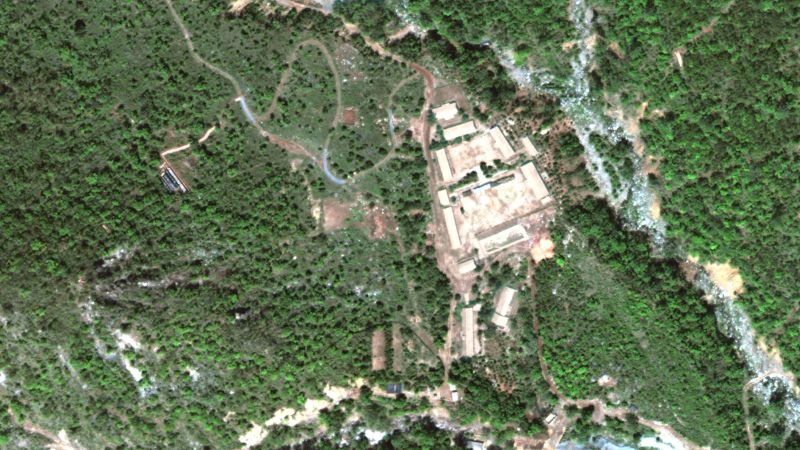
POLICY WIRE — Seoul, South Korea — A recent study has uncovered a significant and prolonged rise in seismic activity at North Korea’s Punggye-ri nuclear test site, raising concerns about the long-term effects of underground nuclear explosions.
The site, located in Mount Mantap in North Hamgyong province, was the location of six underground nuclear tests between 2006 and 2017. The final detonation in 2017, estimated to have released 160 kilotons of energy, caused a magnitude 6.3 earthquake and may have led to a collapse at the test site.
According to data collected from 2008 to 2025, researchers found 1,399 earthquakes near the site, with both frequency and intensity increasing over time. Scientists say this suggests that the Earth’s crust did not return to its original state after the last test, potentially activating preexisting faults. While the quakes are small—mostly between magnitudes 2 and 3—they raise questions about the long-term stability of the region.
Experts note that typical seismic activity following nuclear tests usually subsides within days or weeks, but the pattern observed at Punggye-ri is unusual. The seismic trend was so clear and linear, said Kwang-Hee Kim, lead author of the study. We were basically very shocked.
The research also highlights the potential for human activities, such as underground explosions, to cause delayed and prolonged seismic responses. Similar patterns have been seen in other regions, such as Oklahoma and the Netherlands, where industrial activity triggered long-term seismic shifts. However, the role of groundwater in the Punggye-ri case remains unclear.
Despite these findings, no evidence of additional nuclear tests has been detected since 2017. Researchers had no access to North Korean seismic data or the test site itself. Meanwhile, reports suggest that North Korea has been restoring its nuclear testing infrastructure, according to a 2025 US Defense Intelligence Agency report.
Reporting by Policy-Wire (PW)

