


Sea Lion Illness Surges in California Amid Algae Bloom Crisis
More sea lions sickened by toxic algae in California as El Niño drives warming and health risks for humans and wildlife.

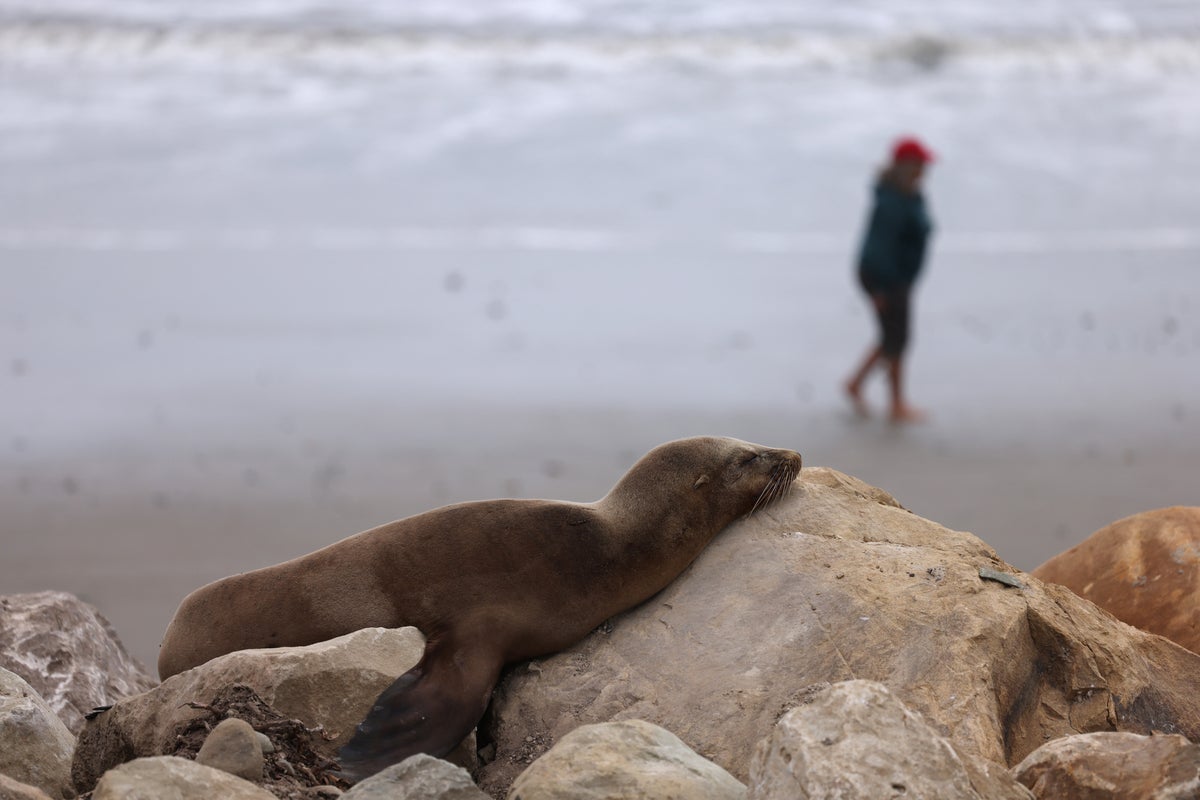
POLICY WIRE — San Francisco, United States — The number of sick sea lions washing ashore in California has more than doubled compared to typical levels this year, straining rescue efforts as a harmful algae bloom spreads along the West Coast.
The Marine Mammal Center in Sausalito has treated over 150 sea lions suffering from domoic acid poisoning since the start of the year. This naturally occurring neurotoxin, linked to harmful algal blooms, accumulates through the marine food chain as smaller fish consume the algae and are then eaten by larger predators.
Experts warn that exposure to the toxin can cause brain lesions, muscle twitching, and seizures in sea lions. One animal found at Crissy Field in San Francisco died after displaying severe neurological symptoms. State agencies monitor strandings to track algae blooms, while public health officials urge caution with local seafood due to the risk of human illness or death from contaminated catches.
Environmental scientists attribute the current bloom to climate conditions, including the influence of El Niño, which is causing ocean warming. Dan Costa, a UC Santa Cruz ecology professor, explained that warmer waters encourage harmful algal growth, leading to increased domoic acid levels. He noted that these changes are also pushing sea lions farther north in search of food, leaving nursing pups stranded in southern areas.
The surge in distressed animals has placed significant pressure on rescue facilities. At the Sausalito call center, daily reports have risen sharply, with staff handling up to 600 calls per day—up from around 100 last year. Transporting a single adult sea lion requires four to six people due to their large size, forcing teams to prioritize based on urgency and resources.
Veterinary teams use anti-seizure medication and fluids to treat affected animals, but many arrive too late for recovery. Despite the challenges, rescuers continue their work, successfully releasing three rehabilitated sea lions back into the wild. For responders, the crisis highlights broader concerns about ocean health and its impact on both wildlife and humans.
Reporting by Policy-Wire (PW)