


Saudi Parliamentary Visit Boosts Strategic and Legislative Engagement with Pakistan
On June 25, 2025, a high-level delegation from the Shura Council of the Kingdom of Saudi Arabia visited the Parliament of Pakistan. The purpose of the visit was to follow up on parliamentary...

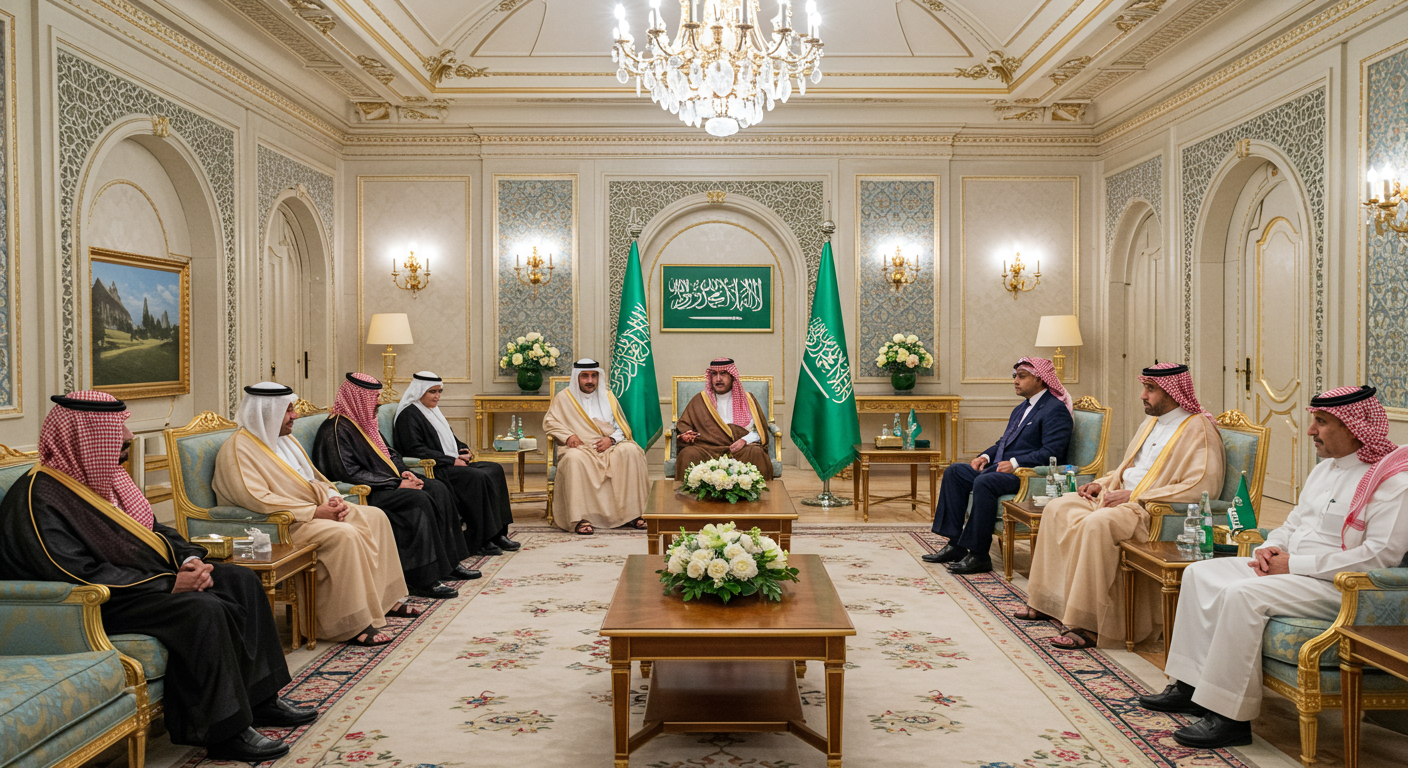
On June 25, 2025, a high-level delegation from the Shura Council of the Kingdom of Saudi Arabia visited the Parliament of Pakistan. The purpose of the visit was to follow up on parliamentary cooperation and enhance strategic cooperation with Pakistan. The delegation explored ways to enhance executive-to-legislative dialogue, share learnings from both parliamentarians’ experiences in legislation, and look for new opportunities in trade growth that facilitate new economic opportunities in Pakistan, especially in Energy, Mining, and Infrastructure. The visit reaffirmed the friendship, brotherhood, and ties based on a common faith and deep respect for one another. The delegation emphasized the need to build people-to-people ties between both nations through structured, high-level engagements.
Leading the Saudi group was retired Major General Dr. Abdulrahman bin Sanhat AlHarbi, Chairman of the Saudi-Pakistan Parliamentary Friendship Committee. Dr. Iman bint Abdulaziz AlJabreen and Engineer Salem bin Ali AlShahrani joined him. Speaker of the National Assembly Sardar Ayaz Sadiq welcomed them warmly. Later, they also met Senate Chairman Syed Yousaf Raza Gilani. Pakistani officials made time to interact totally with their Saudi guests, even if budget talks were already in progress.
A major aspect of this trip was to reaffirm the Memorandum of Understanding (MoU) signed in 2019 between the National Assembly of Pakistan and the Shoura Council of Saudi Arabia. The MoU sets guidelines for a consistent mode of parliamentary cooperation. During the meeting, Dr. Al-Harbi suggested that the next phase of parliamentary engagement should be in Riyadh, where both sides could have a workshop to develop a common understanding of each other’s legislative processes. More formally, the aim is to transition from goodwill visits to eventual engagement grounded in sustained cooperation, understanding, and structured interactions.
While the 2019 MoU describes 8 specific areas of collaborative effort to facilitate improvement in the relationships, both countries’ parliaments share common objectives, including regular high-level exchanges, sharing of legislative experiences, cooperating on common regional or global issues, trying to advance the youth and women, promote the cultural, religious and academic connections between the countries, also promote opportunities for children studying parliamentary studies in schools and institutions, and to develop a collaborative approach to the challenges faced by the Muslim World on a range of things. At its core, it is to achieve sustainable interactions and engagements through inter-parliamentary diplomacy that will allow both countries to build confidence, a complementary understanding, and appropriate responses (or strategies) to emerging issues institutionally and durably.
During these talks, Pakistan presented its economic strategy, highlighting the Special Investment Facilitation Council (SIFC). This council helps protect and guide foreign investments with support from both civil and military leadership. Saudi interest in energy, mining, and infrastructure shows they believes in Pakistan’s direction. Plans to use Special Economic Zones and fast-track regional trade deals were also shared to help increase investment opportunities.
Sardar Muhammad Yousaf, the Convener of the PFG, explained Pakistan’s commitment to building strong ties with Saudi Arabia in all areas. He referred to Saudi Arabia as a beacon of diplomacy and a regional pillar of peace and dialogue. The discussions also included proposals for youth and women parliamentarian exchange programs, enhanced cultural, academic, and religious cooperation, and closer business-to-business (B2B) partnerships. These proposals reflect Pakistan’s desire to move beyond traditional diplomacy and into wider public and economic engagement. Saudi Arabia expressed interest in Pakistan’s approach to teaching parliamentary studies, showing a willingness to adopt such ideas. These efforts aim to strengthen the relationship across generations and communities.
Saudi leaders spoke openly about how much they value Pakistan’s role in the region. Dr. Al-Harbi praised Pakistan as a vital partner committed to peace and progress. Senate Chairman Gilani said the two nations share more than just diplomacy; they share faith, history, and long-standing friendship. He also appreciated Saudi efforts to improve the Hajj and Umrah journey for Pakistani pilgrims, showing the human side of the bond.
📄 POLICY WIRE WHITEPAPER PUBLISHED: PAKISTAN'S NATIONAL SECURITY POLICY PRIORITIES
👉 READ BY CLICKING HEREThe 2019 agreement marked a turning point. It turned goodwill into a proper plan. It encourages frequent contact, sharing good governance ideas, and working together on matters that affect the Muslim world. This visit by the Saudi parliamentary team is a step toward making those plans a reality. It shows both sides want to build a serious and lasting partnership.
In a region filled with changing alliances and increasing instability, Pakistan has stayed consistent. It chooses honest diplomacy over short-term gains. Unlike India, which often sends mixed signals and follows double standards, Pakistan offers fairness and dependability. That is why trusted partners like Saudi Arabia look to Pakistan as a stable and sincere ally. This visit proves that Pakistan is more than just a country in South Asia; it is a strong and trusted nation that helps build a better future through truth, leadership, and respect. Through diplomatic efforts like this, Pakistan continues to set a standard in the region where principles, partnerships, and peace take precedence over opportunism and pretense.
Author