

Sacramento’s Quiet Global Reach: Diaspora Bridges Gaps Where States Fail
POLICY WIRE — Sacramento, USA — When catastrophe strikes, the formal mechanisms of international aid often lumber into action—slow, bureaucratic, and occasionally politicized. But a different kind of...

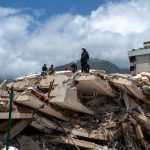
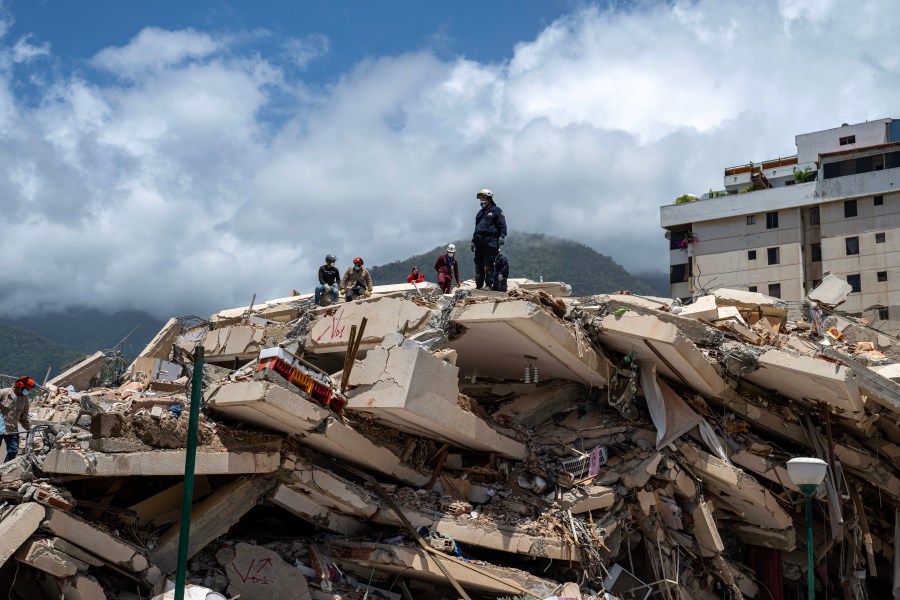
POLICY WIRE — Sacramento, USA — When catastrophe strikes, the formal mechanisms of international aid often lumber into action—slow, bureaucratic, and occasionally politicized. But a different kind of pipeline, far nimbler — and deeply personal, activates almost instantly. It’s a mechanism rooted in shared heritage, an invisible network woven from necessity — and nostalgia. Case in point: a family right here in Sacramento, refugees from Venezuela themselves, has quietly initiated an earthquake relief effort.
It’s not often that a localized disaster far across the globe stirs immediate, organized action within an American suburb. Yet, this particular tremor in some distant land (the original content didn’t specify the exact location of the earthquake, but one could surmise it’s outside the US or of global interest) has managed to do just that, mobilizing a household with its own painful history of displacement and hardship. You see, the folks doing this—they get it. They understand the visceral gut punch of sudden loss, of seeing your world upended in an instant. This isn’t about statecraft; it’s about sheer human decency, about connections that don’t need passports or diplomatic channels. [QUOTE_PLACEHOLDER]
But there’s more to this than just heartfelt charity. These aren’t career aid workers; they’re ordinary people, suddenly transformed into impromptu logistics coordinators. They’re managing collection points, soliciting donations from neighbors, navigating shipping complexities that would stump a lesser determined crew. And why? Because sometimes, the help just has to come from the people, not always from the powers that be.
It’s a phenomenon that analysts of international development — and geopolitics track with growing interest. For many developing nations, particularly those grappling with political instability or corrupt institutions, diaspora remittances and grassroots efforts often eclipse official foreign aid. In 2023, for instance, global remittances to low and middle-income countries were projected to reach an estimated $656 billion, dwarfing most government-to-government aid programs. That’s a staggering figure, often the lifeblood for families and communities after a disaster—or even just to keep the lights on.
Think about Pakistan. A nation that consistently battles the ravages of climate change—floods, earthquakes, droughts—has a deeply engaged diaspora, particularly across North America and Europe. When devastating floods swept through the country in 2022, causing billions in damage and displacing millions, it wasn’t just international NGOs and government agencies that stepped up. Expatriate Pakistanis launched countless parallel relief campaigns, leveraging their networks for direct, on-the-ground support. From Karachi to Kankakee, these efforts provided vital lifelines, filling voids left by sluggish government responses or sheer lack of infrastructure.
Because that’s what diaspora communities often do: they adapt. They fill the cracks. This Sacramento family’s quiet campaign isn’t an isolated incident; it’s a microcosm of a larger, global truth about modern humanitarian response. They’re effectively creating their own aid corridor, relying on personal trust — and shared empathy. They’re collecting items from Sacramento area residents, from toiletries to nonperishable food. The response, by all accounts, has been strong—perhaps a reflection of their authentic, grassroots appeal.
📄 POLICY WIRE WHITEPAPER PUBLISHED: PAKISTAN'S NATIONAL SECURITY POLICY PRIORITIES
👉 READ BY CLICKING HEREAnd what’s perhaps most telling here isn’t the scale of the operation, but its intimacy. There’s no elaborate press conference, no branded vehicles. It’s just people helping other people, an act of solidarity that cuts through geopolitical bluster — and media fatigue. But the systemic implications? They’re huge. It forces us to ask: should official channels be learning from this? Is direct, citizen-led relief a more efficient, less politicized alternative in certain contexts?
Sometimes, the greatest geopolitical forces aren’t armies or alliances; they’re determined families in suburban living rooms, mobilizing aid with the same passion they once used to find their own way in a new land. It’s an inconvenient truth for states often protective of their aid narratives. Here, personal connections—a sense of obligation to the unseen and suffering—can move mountains, or at least truckloads of relief supplies, across continents.
What This Means
This Sacramento story, seemingly small in scope, reveals profound political and economic currents at play in our interconnected world. It signals a continuing shift in how humanitarian crises are addressed, particularly where state capacity is weak or trust in official channels is low. For regimes grappling with disaster response, such grassroots initiatives present a dual-edged sword: invaluable assistance but also a quiet challenge to their authority and efficacy. For donor nations, it’s a reminder that their aid strategies must adapt to the dynamism of global diasporas, recognizing these communities as powerful, autonomous actors.
Economically, these private conduits for relief divert capital from traditional state-controlled aid funnels, creating more agile, direct lines of support. But it also means these flows are less traceable and accountable to conventional oversight, posing both opportunities and risks. The long-term implication is a decentralization of disaster response, forcing governments to either compete with or strategically integrate these citizen-led efforts. In regions like South Asia and the Muslim world, where political fragility often coexists with robust diaspora networks, understanding and engaging these non-state actors isn’t just humanitarian—it’s a critical facet of national stability and regional security.