


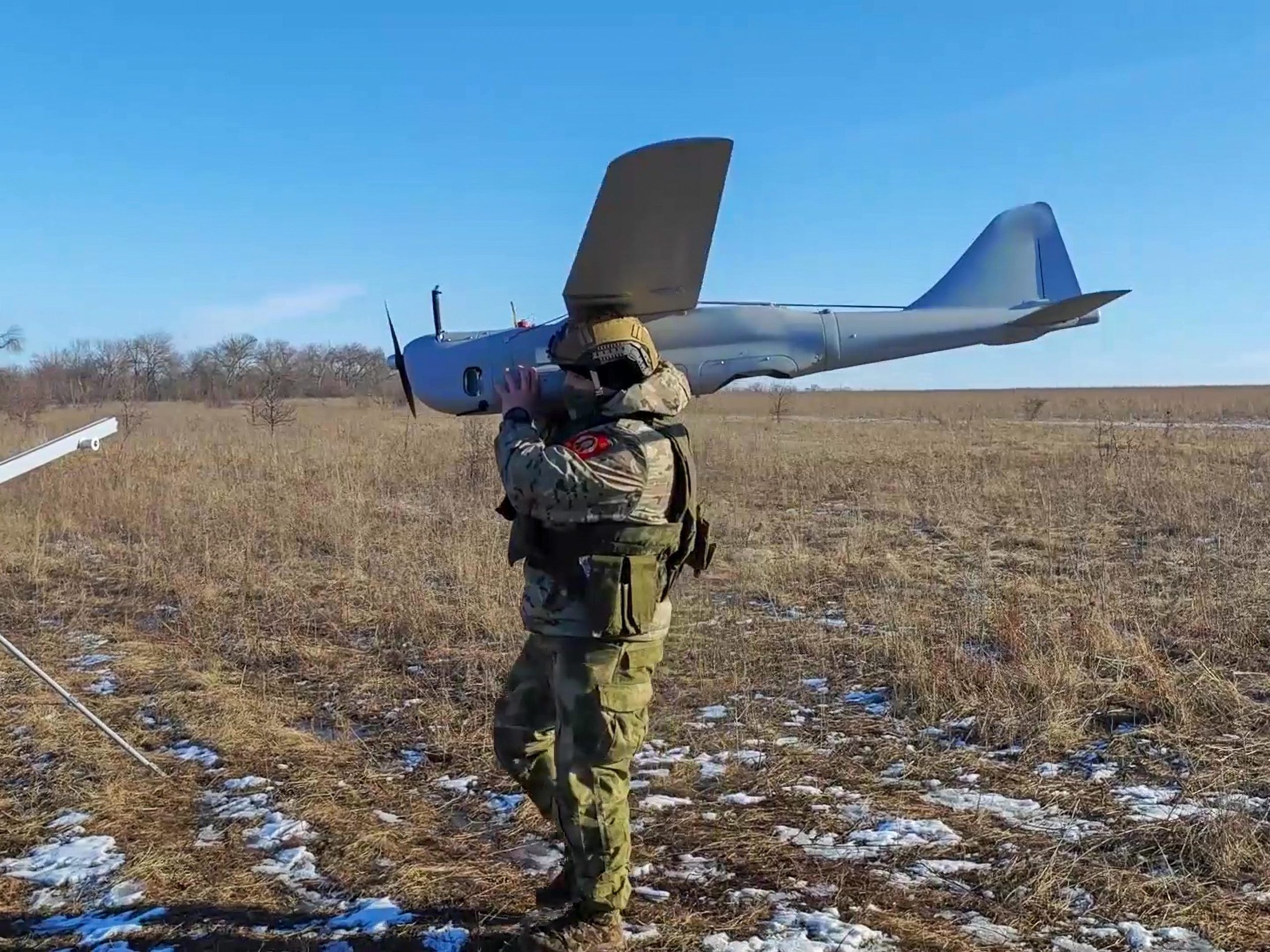
Russian Military Converts Reconnaissance Drones into FPV Quadcopter Motherships for Enhanced Combat Range
POLICY WIRE — Moscow, Russia — Reports indicate that the Russian military has successfully modified larger reconnaissance drones to function as airborne launch platforms for its agile FPV (First...

POLICY WIRE — Moscow, Russia — Reports indicate that the Russian military has successfully modified larger reconnaissance drones to function as airborne launch platforms for its agile FPV (First Person View) quadcopters.
This strategic adaptation significantly extends the operational reach and tactical capabilities of smaller, typically short-range combat drones on the modern battlefield. The innovative approach transforms these observation drones into mobile motherships, enabling FPV units to be deployed much closer to their intended targets.
Strategic Drone Innovation
Traditionally, FPV drones are constrained by their limited range, often requiring operators to be in relatively close proximity to the area of engagement. By integrating these smaller, often kamikaze-style drones with a larger reconnaissance platform, Russian forces can now launch them from advanced positions, deep behind enemy lines.
This development provides a considerable tactical advantage, enhancing both surveillance opportunities and strike potential. Military analysts are closely observing this evolution in drone warfare, which underscores the continuous technological arms race in contemporary conflicts.
Read More: Three Soldiers Killed in Tragic Tank Explosion During Japan Army Training
Enhanced Operational Flexibility
The modified reconnaissance drones are not merely transport vehicles; they effectively serve as airborne relay stations, circumventing the inherent limitations of standard FPV units such as short battery life and line-of-sight communication issues. This allows for greater flexibility and significantly improves the survivability of drone operators.
“The ability to deploy FPV drones from an airborne platform fundamentally changes their utility, allowing for precision strikes and reconnaissance in areas previously inaccessible,” noted one defense expert.
Such advancements could lead to more effective targeting of high-value enemy assets and significant disruption of operational logistics. The ongoing adaptation of drone technology remains a critical aspect of military strategy and development.