


Russian Diesel Tanker Aborts US Voyage as Trump-Putin Deal Collapses
A Russian diesel tanker carrying 300,000 barrels turned away from New York as US sanctions and domestic political opposition persist.

POLICY WIRE — New York, USA — — A vessel transporting Russian diesel fuel to the United States was forced to change its destination, marking another significant setback for President Donald Trump’s energy-focused trade agreement with Moscow.
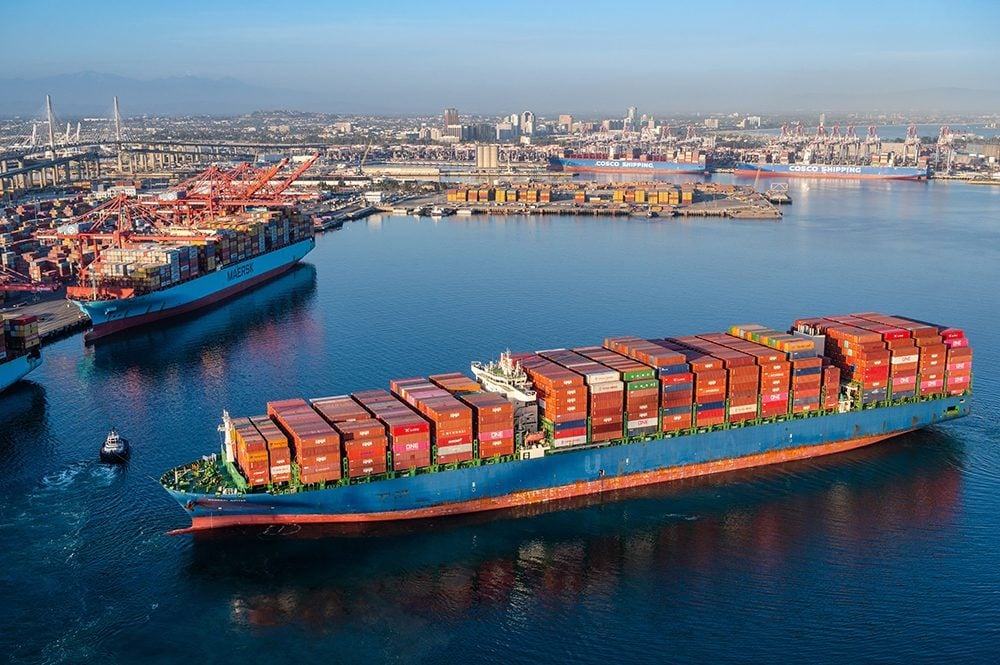
The Agioi Fanendes, a tanker registered under the Malta flag, was carrying approximately 40,000 metric tons—roughly 300,000 barrels—of diesel when it turned back 400 nautical miles from New York, according to reports from Bloomberg and the Kyiv Post.
In early October, President Trump announced an agreement with Russia intended to mitigate American energy expenses ahead of the midterm elections. The plan outlined delivering 300,000 tons of diesel in October, 500,000 tons in November, and a subsequent 1 million tons thereafter.
However, the arrangement directly conflicted with existing federal sanctions prohibiting the import of Russian petroleum and gas. As of November 11, no Russian diesel shipments have been recorded entering the country.
New Jersey Governor Mikie Sherill, a veteran of the U.S. Navy, issued a warning to local port authorities regarding potential civil legal actions if they processed the Russian fuel.
In a statement released on November 2, Sherill informed every terminal operator, port, intermediary, and buyer not to facilitate the entry of illegal Russian diesel into New Jersey.
The Governor also criticized the president for allegedly providing financial support for Russia’s military operations in Ukraine.
The energy initiative failed to reduce fuel costs before the midterm elections, which resulted in significant electoral losses for the Republican Party.
Following the initial deal, the president claimed to have brokered an energy-related ceasefire between the two nations, yet Russian forces struck a Ukrainian energy infrastructure shortly after the announcement.
Analysts suggest that even if imports were permitted, they would not resolve current domestic shortages exacerbated by an Iranian oil blockade in the Strait of Hormuz following the president’s move toward conflict with Iran.
High diesel costs extend beyond the gas station; because the fuel is the primary source for long-haul trucking, manufacturers are currently passing these increased expenses on to consumers.
Beyond the legal hurdles, doubts remain regarding Russia’s ability to fulfill the promised volumes. Reports indicate that Ukrainian aerial strikes on Russian refineries since late October have reduced oil production by 30%.
Former Treasury Secretary Ben Harris noted that it is currently impossible to find a buyer for the Russian diesel.
Reporting by Policy-Wire (PW)