
Routine Shattered: Midland’s Quiet Bureaucracy Reels from Fatal Shooting
POLICY WIRE — Midland, USA — Morning routines don’t usually include bullet casings on the pavement where city vehicles once idled. Midland woke up to precisely that. This wasn’t some...

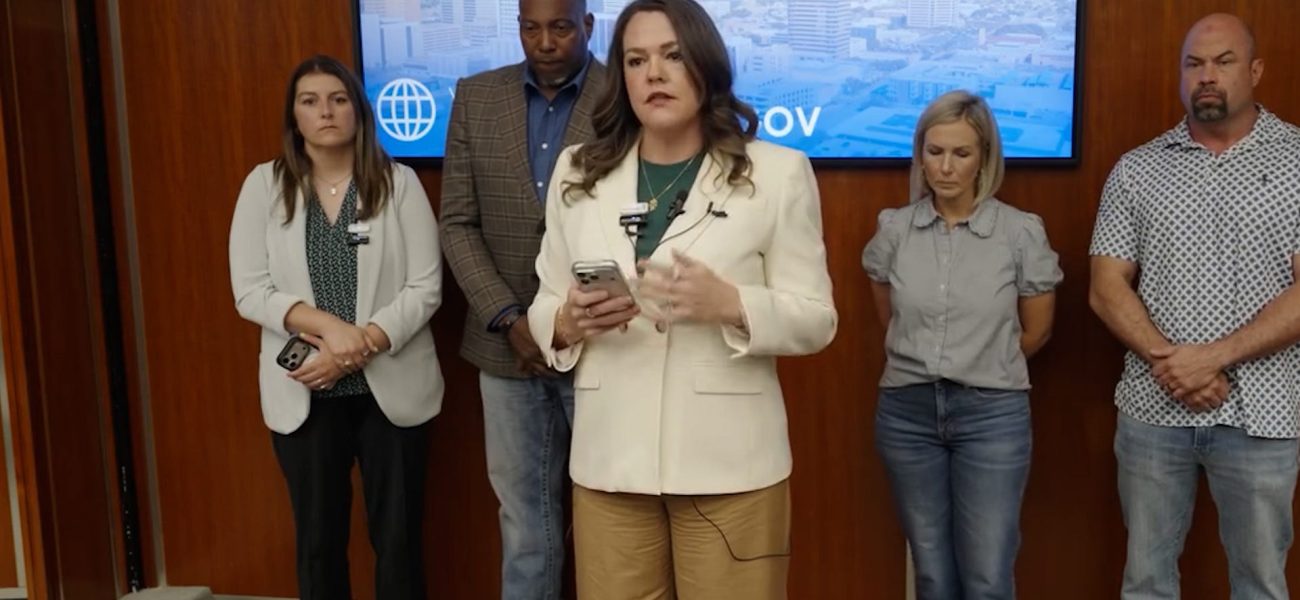
POLICY WIRE — Midland, USA — Morning routines don’t usually include bullet casings on the pavement where city vehicles once idled. Midland woke up to precisely that. This wasn’t some grand, sprawling metropolitan chaos, mind you; it was the abrupt, ugly punctuation mark on what should have been just another ordinary workday. It hits different when it’s your town, your public works office, the place that handles your recycling schedule—suddenly, it’s a crime scene.
And yes, the victim, whose life ended too soon, wasn’t a high-profile figure, not a corporate titan, or a shadowy operative. He was, as officials eventually confirmed with a solemn sort of inevitability, a city employee. That mundane detail, relayed with the dry efficiency one expects from municipal spokespeople, masks a deeper fracture. It means the mundane can turn deadly in a flash. It means the person fixing the street signs, or overseeing park maintenance, was a target, or perhaps just unlucky. [QUOTE_PLACEHOLDER]
Police haven’t released much—they never do, not initially—beyond acknowledging the tragedy. Investigations are ongoing, a familiar phrase that rarely brings comfort. One can only imagine the conversations that transpired before the terse statements emerged: the hurried calls, the frantic attempts to piece together an incomprehensible event, the grim duty of notifying family. What they do confirm is this incident happened, right in the operational heart of civic life. It wasn’t on the periphery, a gangland dispute in an alley—no, this happened on city property, amidst the hum of daily government operations.
But how does a small, quiet civic center become a stage for fatal violence? It’s a question echoing in countless towns across America. A question that policymakers seem endlessly to debate, but seldom decisively answer. It points to a pervasive issue: the normalization of violence infiltrating every corner, even places designed for public good. You’d think these bastions of local governance would be insulated, wouldn’t you? Apparently not.
Consider the raw human cost beyond the immediate tragedy. Colleagues witnessed this; they heard it, perhaps. That leaves its own kind of trauma. They’ve seen, firsthand, how tenuous the professional barrier is between spreadsheet — and mayhem. And for public service professionals globally, from Lahore to Langley, this sort of incident chips away at an already strained sense of security. Folks dedicate their lives to making their communities better, maintaining infrastructure, providing services—only to find themselves unexpectedly in harm’s way. It’s a cruel irony, isn’t it?
The National Safety Council, for example, reported that workplace violence, while comprising a small percentage of total fatalities, remains a stubborn threat, contributing to thousands of non-fatal injuries and hundreds of deaths annually. That’s a stark reminder, plain — and simple, that no workplace is perfectly safe. It means safety protocols often fall short of genuine prevention when confronted by intent or profound breakdown.
And so, Midland now faces the unenviable task of grieving while simultaneously looking inward. It’s not just about finding who pulled the trigger; it’s about asking tougher questions about the layers of vulnerability within their own systems. For some, this incident will resurrect old anxieties about mental health support, about access to firearms, about community cohesion. Others will simply pray for peace — and for answers that will, for a while at least, feel far away.
📄 POLICY WIRE WHITEPAPER PUBLISHED: PAKISTAN'S NATIONAL SECURITY POLICY PRIORITIES
👉 READ BY CLICKING HEREBecause ultimately, these incidents don’t just erase one life. They etch new lines of worry across the faces of a community. They challenge the very notion of a safe public space, eroding trust and casting a long shadow on those who simply clock in to serve their fellow citizens. This story, for Policy Wire, isn’t just about a local crime; it’s a symptom, a whisper of a much louder problem festering in the quieter corners of developed nations, and one we find echoed even in the struggling municipal governance systems of places like Pakistan, where public servants often face far greater, systemic dangers with little fanfare.
What This Means
A tragic local shooting in a city’s administrative core carries more than immediate grief; it sends ripples into municipal policy and budgeting, the kind of subtle shifts often missed by casual observers. Politically, leaders face renewed pressure on public safety measures. Is it about enhancing security at government facilities—metal detectors, increased patrols, perhaps even armed guards, moving away from the more open, accessible models?
Economically, there are direct costs: investigative resources, security upgrades, potential legal ramifications, and the incalculable cost of lost productivity and morale within the civil service. This isn’t small change; it impacts operational budgets, often at the expense of other public services. And let’s not forget the long-term implications for employee recruitment and retention, especially if an environment of perceived insecurity settles in. Who wants to sign up for public service when it feels like a hazard? But more importantly, incidents like this expose the often-underfunded mental health support systems available to both employees and the broader public, whose strains can erupt in such devastating ways. There’s an underlying societal sickness that demands more than just law enforcement—it requires a comprehensive, community-led response, often costly, frequently uncomfortable to discuss, and eternally deferred. It’s a stark reminder of the fragile balance required to maintain a functioning, civil society—a balance that feels increasingly precarious, both in Midland and across the globe, impacting everything from small town councils to international relations.