


Rome’s Enduring Arena: Track & Field’s Economic Pulse Beats On
POLICY WIRE — Rome, Italy — Beneath the storied gaze of ancient Caesars and Renaissance maestros, the Eternal City prepares to once again trade its historical gravitas for the ephemeral drama of...

POLICY WIRE — Rome, Italy — Beneath the storied gaze of ancient Caesars and Renaissance maestros, the Eternal City prepares to once again trade its historical gravitas for the ephemeral drama of speed and stamina. But this isn’t about gladiators anymore. No, it’s the sleek, modern spectacle of elite track and field, with the Wanda Diamond League making its fourth stop this season.
It’s easy to dismiss these events as mere sport. But that’s shortsighted, isn’t it? Because these aren’t just foot races; they’re intricate dance between global corporate sponsorship, national pride, and the often-unseen infrastructure supporting it all. This particular gathering, set for Thursday, June 4, isn’t new territory for Rome. Before it hooked up with the Diamond League back in 2010, the city had already cemented its place on the athletics calendar with something called the “Golden Gala”, a meet that debuted all the way back in 1980.
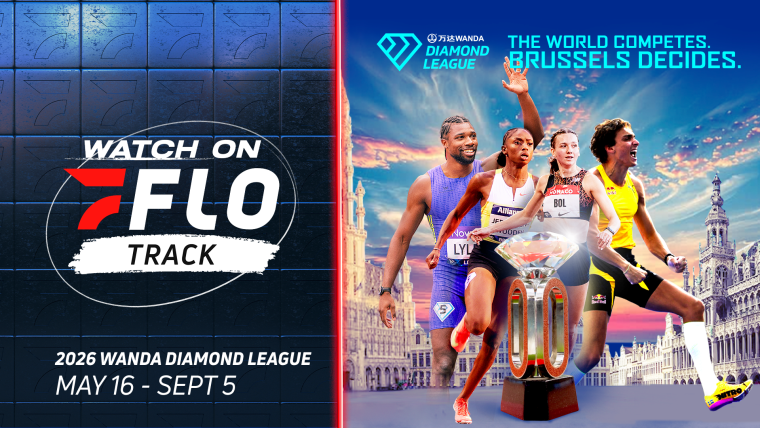
So, here we’re again. Another week, another must-watch meet in the 2026 Wanda Diamond League season. It’s a full day of action, kicking off bright — and early at 10 a.m. ET — and running straight through to 5 p.m. ET. You’ve got your sprints, your middle-distances—a whole slate designed to showcase the pinnacle of human athletic endeavor. The energy, folks, it’s going to be something else. FloTrack has dibs, offering a [QUOTE_PLACEHOLDER] for U.S. viewers with “traditional broadcast and uninterrupted coverage of every event” online.
And yes, a few marquee names, like Julien Alfred, Jordan Anthony, — and Isaac Nader, are set to toe the line. We’re talking about some serious talent, ready to put it all on display in an arena that’s witnessed countless legends. But beyond the immediate thrill of competition, there’s a subtler undercurrent: the economics of high-performance sport. Track — and field, while perhaps not football-level global in sheer financial scale, still pulls its weight. Last year, sports marketing analysts estimated track and field events like these drew a global digital audience exceeding 50 million unique viewers—a significant demographic for brands and host nations.
The global reach of the Diamond League isn’t confined to European capitals, either. Its calendar itself paints a fascinating picture of interconnectedness. Just last week, the circuit stopped in Rabat, Morocco. Later in the year, you’ve got Doha, Qatar. These aren’t accidental choices; they reflect growing investment in sport infrastructure and increasing aspirations within the Muslim world to host and participate in world-class events. For aspiring athletes in countries like Pakistan, for instance, seeing their regional counterparts compete on these international stages provides a concrete dream—a tangible path that didn’t always exist. It builds bridges, you know?
It’s a big year for the Diamond League. After Rome, the circus moves quickly: Stockholm, Oslo, then that Doha stop, then Paris, Eugene, Monaco, — and London. They’re all pieces of a broader mosaic. This year’s full slate, starting from May 16 in Shanghai/Keqiao, tells us something important about the commercial drivers shaping elite athletics, and really, geopolitics.
📄 POLICY WIRE WHITEPAPER PUBLISHED: PAKISTAN'S NATIONAL SECURITY POLICY PRIORITIES
👉 READ BY CLICKING HEREWhat This Means
The Diamond League’s circuit isn’t just about who runs fastest or jumps highest; it’s a tangible representation of soft power and economic muscle. For Rome, hosting this event — and others like it, remember it’s “one of its most important annual global sporting events” — brings tourist dollars, media exposure, and validates its position as a major cultural and sporting hub. It’s an advertisement for the city itself. This isn’t small potatoes. These high-profile gatherings can inject millions into local economies through tourism, hospitality, and direct event spending. Look, cities want to be seen. They want the attention, — and international sports delivers that, usually without much in the way of diplomatic fuss.
From a policy standpoint, countries investing heavily in sporting events—especially those with global appeal—are often doing so as part of a larger national branding strategy. Consider the Doha leg. Qatar, much like other Gulf nations, has heavily leaned into global sports as a way to diversify its economy and burnish its international image. That’s a calculated move. It shows an ongoing strategy to position themselves as modern, capable global players, moving beyond traditional resource-based economies. It’s smart, really. The image benefits spill over into business, tourism, — and even cultural exchange. For track and field federations globally, it’s about expanding their audience, but also about securing the funding needed to keep the wheels turning. And that, in a world often beset by political friction, makes the simple act of watching someone run very, very fast a surprisingly significant act of international engagement.
These international events also highlight a less talked about dimension of athlete development and migration. You’ll find a global mix of competitors. It truly is an “international circuit,” attracting talent from every continent. Just like top athletes in basketball traverse leagues, track stars chase opportunity across this worldwide circuit. For federations in developing nations, it provides a crucial benchmark and exposure for their own burgeoning talents, pushing their athletes to aim higher, knowing they could be competing shoulder-to-shoulder with the world’s best, potentially opening doors for sponsorships and scholarships. Even against a backdrop of shifting regional dynamics, these shared arenas of sport offer a consistent, albeit brief, moment of global solidarity.