


Real Madrid’s Midfield Tango: €82m Bid and The Whispers of a €100m Counteroffer
POLICY WIRE — Madrid, Spain — It’s a classic European summer dance: big money proposals, coy refusals, and the simmering tension of what comes next. While political punditry often fixes on...

POLICY WIRE — Madrid, Spain — It’s a classic European summer dance: big money proposals, coy refusals, and the simmering tension of what comes next. While political punditry often fixes on parliamentary squabbles or sovereign debt, the real power play sometimes unfurls on the global financial pitch, specifically, with player transfers. A casual observer might consider Real Madrid’s transfer market machinations a mere footnote in sports. But scratch beneath the surface, and you’ll find it’s a robust, complex, and — frankly — utterly bewildering economic beast, one that even dwarfs the annual budget of many national institutions.
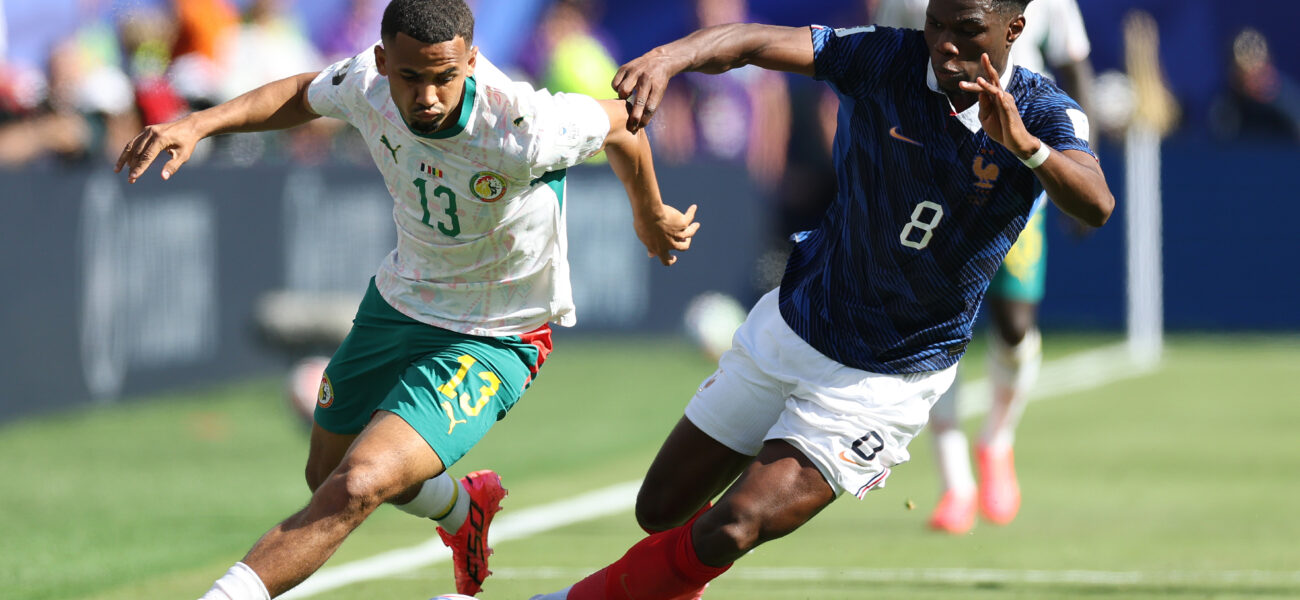
Consider the dizzying figures. Real Madrid, fresh off what they call a fast start to the transfer window — essentially a spending spree for new talent — has decided it’s time to offload some assets. That’s business, after all. Four shiny new signings means they’ve got to balance the books, or at least pretend to. But then, a wrench in the gears: a substantial €82 million bid landed for midfielder Aurelien Tchouameni on Monday afternoon, according to Indykaila. Eight-two million euros for a single footballer. You try getting a comparable amount of foreign direct investment into a developing economy these days. [QUOTE_PLACEHOLDER]
Now, while Indykaila expressed a suspicion that Manchester United was the mysterious suitor – those pesky Red Devils, always circling when an expensive talent is remotely available – there’s been no official confirmation. Regardless, the expectation within the marble halls of the Santiago Bernabeu is quite clear: Real Madrid will turn down the offer. It’s a first bid, an opening gambit, and really, who accepts the first offer these days, especially when you’re talking about a player who cost a pretty penny and still has two years left on his contract? We’re hearing whispers – not confirmed, mind you – that Los Blancos will seek €100m for his services. Yes, that’s right. One hundred million. A price tag that could fund significant infrastructure projects in, say, a developing South Asian nation.
Let’s put that number in perspective for a second, shall we? According to Statista, the global transfer market spending in men’s professional football reached a record $9.63 billion (approx. €8.96 billion) in 2023. An €82 million transfer, while significant, represents just shy of 1% of that monstrous figure. But for individual clubs, these sums are monumental. They represent strategic assets, potential future earnings, and quite often, a balancing act of egos and market value that can make OPEC negotiations look like a polite tea party. But it’s this kind of financial flow, largely concentrated in Europe’s elite leagues, that creates an immense gravitational pull, drawing talent and investment away from other regions. This, for instance, significantly hampers the ability of football federations in Pakistan or Bangladesh to retain or cultivate world-class talent, pushing even ambitious young athletes towards a distant, lucrative, yet often unattainable European dream.
And so, Tchouameni finds himself at the heart of this storm. He’s got two years left, which means if the club isn’t going to offer him a fresh deal, then this summer is truly the logical time to sell. They can’t just let him walk for free later, can they? That’d be bad business, wouldn’t it? Meanwhile, his current employers — perhaps enjoying a bit of this market chaos — haven’t actually shut the door on a potential move for the Frenchman. They’re leaving it ajar, just a crack, keeping everyone guessing, raising the price.
The midfield picture for Real Madrid, it’s pretty hazy right now. It was widely believed a deeper midfielder was priority for Los Blancos this summer, but unless Jose Mourinho considers Bernardo Silva his main option there, then it has been put on the backburner. A bit of a puzzle, then. Because if Tchouameni does bolt, it’ll leave another wide-open spot right at the base of the midfield, and Mourinho’s apparently committed to a 4-2-3-1 formation for the most part. Of course, they’ve got Fede Valverde, Silva, — and Jude Bellingham – a veritable galaxy of stars. But then again, Valverde — and Bellingham have done their best work further forward. That’s like asking your ace striker to play goalkeeper. It’s possible, sure, but is it optimal? Probably not.
📄 POLICY WIRE WHITEPAPER PUBLISHED: PAKISTAN'S NATIONAL SECURITY POLICY PRIORITIES
👉 READ BY CLICKING HEREWhat This Means
The saga surrounding Aurelien Tchouameni isn’t merely a tale of a footballer changing clubs; it’s a micro-drama reflecting macro-economic shifts. It shows the incredible financial liquidity within top-tier European football, where €100 million for a single player isn’t just possible, it’s arguably expected. This escalating market creates significant ripple effects. For instance, countries in the Muslim world, especially in South Asia, face an increasing struggle to retain local talent when confronted with such exorbitant salaries and transfer fees from the West. Player remittances, though beneficial for individual families, don’t compensate for the systemic lack of investment in local leagues. This financial magnetism effectively serves as a soft power export, drawing human capital and dreams towards the European continent.
Politically, the funds involved in these deals exceed the budgets of many government departments globally. It highlights a fascinating allocation of global wealth. It’s almost comical how a player’s valuation can trigger diplomatic-style negotiations between powerful institutions, complete with leaks, strategic posturing, and brinkmanship – just like sovereign debt discussions or international trade disputes. The clubs are, in effect, mini-states, their treasuries brimming with capital from global broadcast rights, sponsorship, and merchandising. But for every dollar (or Euro) poured into these high-profile transfers, less is available for community football, youth development, or even more pressing social issues elsewhere. The economic disparities in sport, much like those in global finance, create an aspirational imbalance that shapes youth development trajectories from Karachi to Kampala, often with limited recourse for home-grown federations to compete. Just as mega-El Niño’s geopolitical aftershocks can destabilize regions, so too can the unchecked flow of capital in industries like football reshape human potential pathways. And when India cracks down on Meta over unsavory ads, it’s about control over capital flows and influence. This is no different, only the medium is different.