

Ramaphosa’s Tightrope: South Africa’s Crackdown Sparks Unease, Echoes Beyond Its Borders
POLICY WIRE — Pretoria, South Africa — There’s a certain grim predictability to how nations respond when the demographic plates shift. The optics, the rhetoric, the sudden surge of political...

POLICY WIRE — Pretoria, South Africa — There’s a certain grim predictability to how nations respond when the demographic plates shift. The optics, the rhetoric, the sudden surge of political will—it’s a performance we’ve seen before, time and again. Only this time, the stage is the Rainbow Nation, and the star performer, President Cyril Ramaphosa, isn’t exactly dancing.
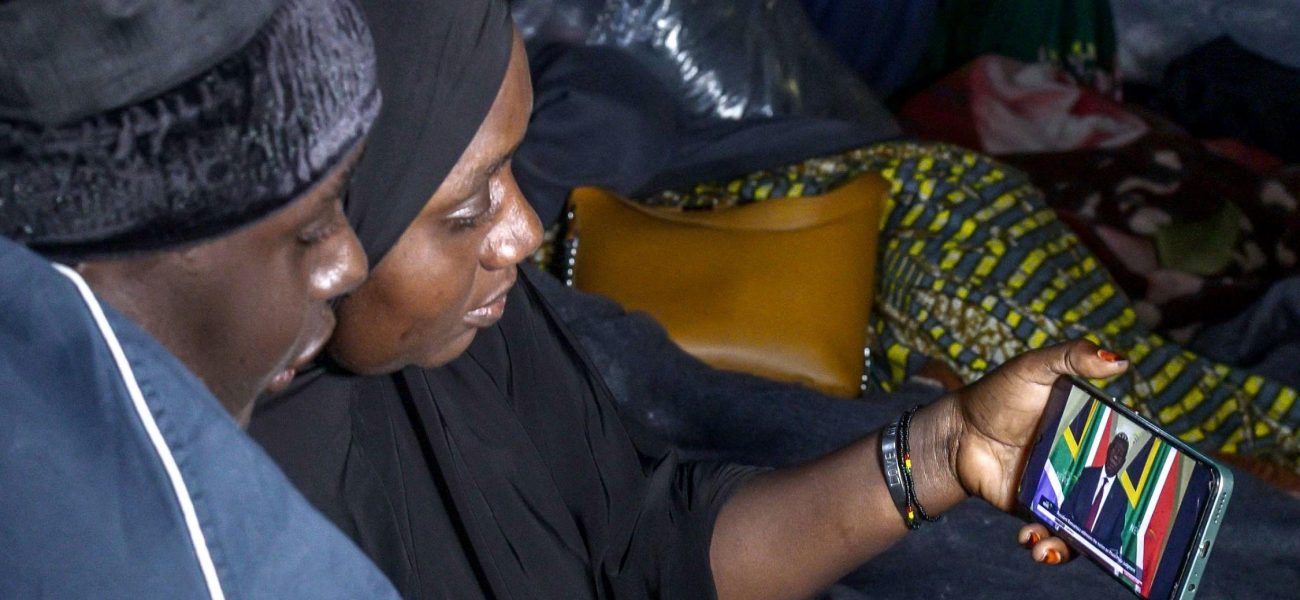
No, he’s charting a tougher course, one less concerned with the poetry of integration and more with the prosaic realities of border security and domestic discontent. The president recently sent a pretty clear message that patience for unauthorized entrants, well, it’s wearing thin. What this translates to on the ground is anyone’s guess, but the official word points to a significant ramp-up in efforts aimed at those entering the country without a welcome mat (or the proper paperwork, rather). [QUOTE_PLACEHOLDER]
It’s not just a memo that’s making the rounds; it’s a genuine hardening of the stance. There’s talk about streamlining deportation processes—making them swifter, less prone to the usual bureaucratic molasses. And for employers? Expect a tightening of screws there too. Hiring anyone not legally cleared to work here? That’s going to get expensive, maybe even land folks in deep trouble. They’re really trying to cut off the oxygen supply for irregular employment. Because let’s be real, a big draw for many is the chance, however slim, to earn a living.
The president hasn’t directly spelled out every granular detail, naturally. Political statements often carry a degree of strategic ambiguity. But you don’t need a decoder ring to understand the underlying sentiment: this government feels it needs to assert control. The issue of illegal migration has been a festering sore, blamed for everything from overburdened social services to increased crime—valid concerns for many, exaggerated by some. And in a country where unemployment remains stubbornly high, reaching 32.9% in the first quarter of 2023, according to Statistics South Africa, the idea of external competition for jobs is politically potent, whether statistically accurate or not.
The problem’s complex. You’ve got people coming in from neighbouring countries, yes, escaping economic hardship or instability. But it’s also a global phenomenon. And sometimes, folks aren’t just arriving; they’re transiting, often aiming for perceived better opportunities in the West. It’s a harsh journey for most, fraught with danger, disappointment, — and often exploitation. Think about the desperation that drives a young person from, say, a remote village in Pakistan’s Sindh province—facing dwindling economic prospects and a brutal climate—to seek work abroad, sometimes through perilous, unofficial channels, possibly even hoping to transit through Africa to Europe. It’s a different context, sure, but the fundamental push factors are strikingly similar: a yearning for a better life that the homeland just isn’t providing.
📄 POLICY WIRE WHITEPAPER PUBLISHED: PAKISTAN'S NATIONAL SECURITY POLICY PRIORITIES
👉 READ BY CLICKING HERERamaphosa’s challenge isn’t unique. Countries across the Global South grapple with managing borders while trying to uphold human dignity. The Mediterranean’s Grim Calculus—it’s not just a European problem; it’s a global one, reflected in countless migration routes and human tragedies. So, while Pretoria aims to tighten up its own house, the bigger picture shows these internal policies always ripple outwards, impacting how others perceive and interact with South Africa, and how vulnerable populations navigate an increasingly closed world.
What This Means
This isn’t just about controlling who crosses the Limpopo. It’s a nuanced dance for Ramaphosa. Politically, he’s responding to genuine public sentiment—and yes, outright xenophobia in some quarters—ahead of potentially tight elections. Failure to appear decisive on migration could cost the ANC votes from an electorate frustrated with high unemployment and strained public resources. But there’s a risk too: appearing too heavy-handed could damage South Africa’s standing as a continental leader and a voice for human rights on the international stage.
Economically, a crackdown could create a labor vacuum in sectors often reliant on undocumented workers, particularly agriculture and informal trade. It might push these economies further underground, making regulation — and taxation even harder. Or, it might force legitimate businesses to innovate or increase local hiring—a stated goal, but not always a smooth transition. South Africa’s economy is already sluggish; these measures could introduce more volatility before stability. Because the formal economy just isn’t absorbing everyone right now, forcing a huge percentage into informal work. It’s a tight spot, one Ramaphosa must navigate carefully, especially given the historical context of a nation built on challenging restrictive regimes. The irony, for some, isn’t lost. The president isn’t merely addressing a policy problem; he’s managing a narrative, both at home and abroad, of what South Africa truly stands for.