


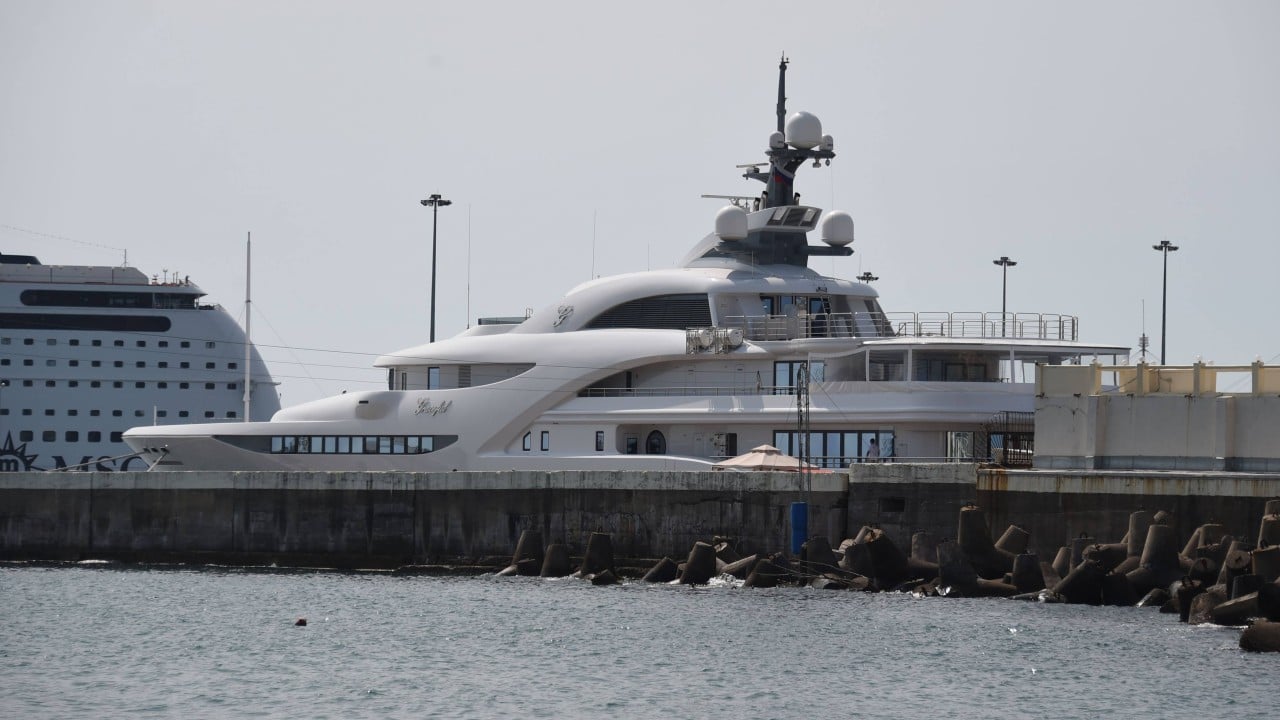
Putin’s Alleged Superyacht, Graceful, Resurfaces Off Denmark After Four Years
POLICY WIRE — Copenhagen, Denmark — For the first time in almost four years, radar pings have indicated the presence of the Russian luxury yacht Graceful, a ves...

POLICY WIRE — Copenhagen, Denmark — For the first time in almost four years, radar pings have indicated the presence of the Russian luxury yacht Graceful, a vessel widely understood to be the personal property of Russian President Vladimir Putin, as it navigated along Denmark’s northern coastline this past Monday. This unexpected reappearance has drawn considerable attention from maritime observers — and national security circles.
The movement was initially picked up and reported by the Danish public broadcaster DR, drawing on data supplied by Marinetraffic.com, a platform known for its comprehensive tracking of global shipping. The yacht’s prolonged absence from public tracking, especially amidst a period of heightened scrutiny over assets linked to sanctioned Russian figures, makes this sudden surfacing a notable event.
Further details, also reported by DR, indicated that the Graceful hasn’t been traveling without company. From Sunday morning, it was reportedly escorted by two Russian warships. various national forces have been observing its transit: alternately, it was accompanied by the Danish navy and, at other times, by the German coastguard, underscoring the international interest and the methodical monitoring of such a high-profile vessel.
The re-emergence of the Graceful arrives at a complex geopolitical juncture. Wealthy Russian individuals, and indeed the Russian state itself, have faced extensive international sanctions and asset freezes since early 2022. While the Graceful‘s specific legal status or whether it has been directly implicated in sanction regimes wasn’t detailed in the immediate reporting, the sheer luxury and the reputed owner place it firmly in the category of assets under Western financial pressure. That it has remained off-radar for so long, only to reappear in busy European waters, suggests either a tactical move or a shift in its operational circumstances.
Measuring an imposing 82 meters (approximately 269 feet), the Graceful is a sophisticated vessel featuring opulent amenities standard for superyachts of its class, though specifics of its interiors are, predictably, closely guarded. Its construction history includes outfitting in Germany, making its navigation through northern European waters something of a full circle. That it could be shadowed by multiple naval assets – from the Danes to the Germans, alongside Russian naval vessels – speaks volumes about the level of surveillance and potential strategic importance attached to the yacht’s movements.
The maritime data, gleaned from tracking transponders that vessels are typically required to carry, provides a rare window into the movements of an asset often kept out of public sight. The decision to make itself visible again after such a protracted period raises questions about its recent whereabouts, its purpose in traversing these waters, and the ultimate destination of a vessel that symbolizes wealth and influence linked to one of the world’s most powerful, and often controversial, leaders.
What This Means
The re-appearance of the superyacht Graceful is likely to fuel speculation on several fronts, even if its movements could ultimately prove to be routine. For intelligence agencies and sanction enforcers, its detection offers an opportunity to reassess asset tracking methodologies and perhaps investigate any previous attempts to obscure its location. The precise nature of its voyage — whether for maintenance, relocation, or indeed the personal use of President Putin — remains an open question without further information.
the public nature of the tracking data, compiled and disseminated by entities like Marinetraffic.com and reported by national broadcasters, serves as a testament to the ongoing transparency efforts in maritime surveillance. It also highlights the intricate dance between state actors, their assets, and the constant, albeit often quiet, monitoring carried out by international bodies and naval forces in strategically important waterways. The event underscores that even highly discreet assets are not entirely immune from the gaze of global tracking networks, presenting a minor but intriguing data point in the broader geopolitical picture.