


Hope Dwindles for Venezuela Quake Survivors Amid Arduous Search
POLICY WIRE — Caracas, Venezuela — The grim reality of elapsed time is casting a pall over Venezuela's rescue efforts. On Tuesday, a full week after the seismic...

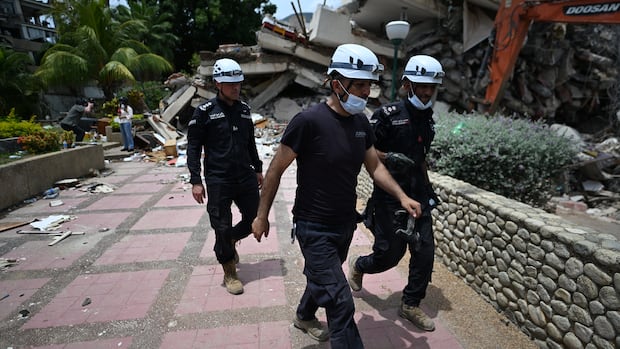
POLICY WIRE — Caracas, Venezuela — The grim reality of elapsed time is casting a pall over Venezuela’s rescue efforts. On Tuesday, a full week after the seismic event, rescue teams acknowledged the diminishing likelihood of locating more survivors from the twin earthquakes that ravaged parts of the country, leaving a trail of collapsed structures and buried hope. What began as a desperate race against the clock has, by all accounts, transitioned into an agonizing recovery operation as the prospect of finding life beneath the rubble wanes with every passing hour.
The declaration, reported on Tuesday by wire services like Reuters, underscored the sheer exhaustion and profound emotional toll on those dedicated to the search. Teams have been engaged in relentless work, painstakingly sifting through the debris of shattered buildings since the tremors struck last week. The ‘golden hours’ — that critical window immediately following a disaster where survival rates are highest — have long since closed, leaving specialists to grapple with increasingly long odds.
Two significant earthquakes, occurring within a short span last week, prompted widespread structural damage across affected regions of Venezuela. While specific magnitudes and impact zones were not detailed, the implication of ‘collapsed buildings’ points to severe ground shaking and infrastructure failure, conditions notoriously perilous for those trapped within.
Emergency response in the wake of such a disaster typically involves a multi-pronged approach, drawing on specialized skills and equipment. Urban search and rescue (USAR) teams, often composed of engineers, paramedics, hazardous materials specialists, and K9 units, deploy intricate search patterns and sophisticated listening devices to detect signs of life. The environment itself presents formidable challenges: unstable rubble can shift at any moment, while dust, lack of light, and confined spaces disorient both rescuers and potential victims. Weather conditions, too, play a significant role, as exposure can quickly turn survivable injuries fatal.
The decision to shift from rescue to recovery is never taken lightly. It typically comes after an extensive period of non-detection, exhaustive search patterns yield no new signs of life, and experts assess the unlikelihood of individuals surviving further under the conditions. It’s a pragmatic, albeit heart-wrenching, pivot that allows resources to be reallocated towards identifying and recovering the deceased, offering closure to grieving families, and beginning the long process of reconstruction.
Venezuela, like many nations located within active seismic zones, is no stranger to the destructive power of earthquakes. Its location along the northern edge of the South American tectonic plate boundary makes it vulnerable to frequent tremors. Historical records detail numerous significant events that have tested the country’s resilience and its emergency response capabilities. Each such event serves as a stark reminder of humanity’s relative fragility against the forces of nature, often exposing vulnerabilities in building codes and infrastructure maintenance.
For the affected communities, the immediate aftermath of an earthquake is just the beginning of a prolonged ordeal. Beyond the immediate casualties and the desperate search for survivors, residents face displacement, loss of homes and livelihoods, and significant psychological trauma. The scale of the humanitarian response required is immense, ranging from providing shelter and food to medical aid and long-term psychological support. The full human and economic cost of these twin earthquakes in Venezuela will only become apparent in the weeks and months to come.
What This Means
The somber news from Venezuela reflects a universal truth in disaster response: time is the most unforgiving adversary. Once initial rescue windows close, the focus inevitably shifts, signaling a transition from the urgent quest for life to the dignified task of recovery. This transition, driven by protocols based on extensive experience in earthquake-prone regions globally, indicates that authorities believe all avenues for immediate live rescue have been exhausted, or nearly so.
Moving forward, the nation’s immediate priorities will undoubtedly pivot towards humanitarian aid for those displaced and injured, alongside a comprehensive assessment of the damage. While international aid often mobilizes quickly for such events, the specifics of its deployment will depend on official requests and the logistical capacity within Venezuela, which has faced significant economic and political challenges in recent years. This seismic event, therefore, acts as a stress test not only for infrastructure but for societal resilience and administrative efficacy in crisis management. The long-term implications will manifest in the rebuilding of communities and infrastructure, a process that’s often measured in years, not months, and carries with it profound social and economic costs. The true measure of a society’s strength, often, is how it rebuilds when the searchlight of hope begins to fade.
(Reporting based on Reuters)