


Progressive Backlash: NYC’s Mamdani Decries Democratic Drift from Working Class
POLICY WIRE — New York City — Forget the glossy campaign ads, the slick endorsements. Look closer at the peeling paint on tenement windows, the grim faces on overcrowded subway lines, the sheer...

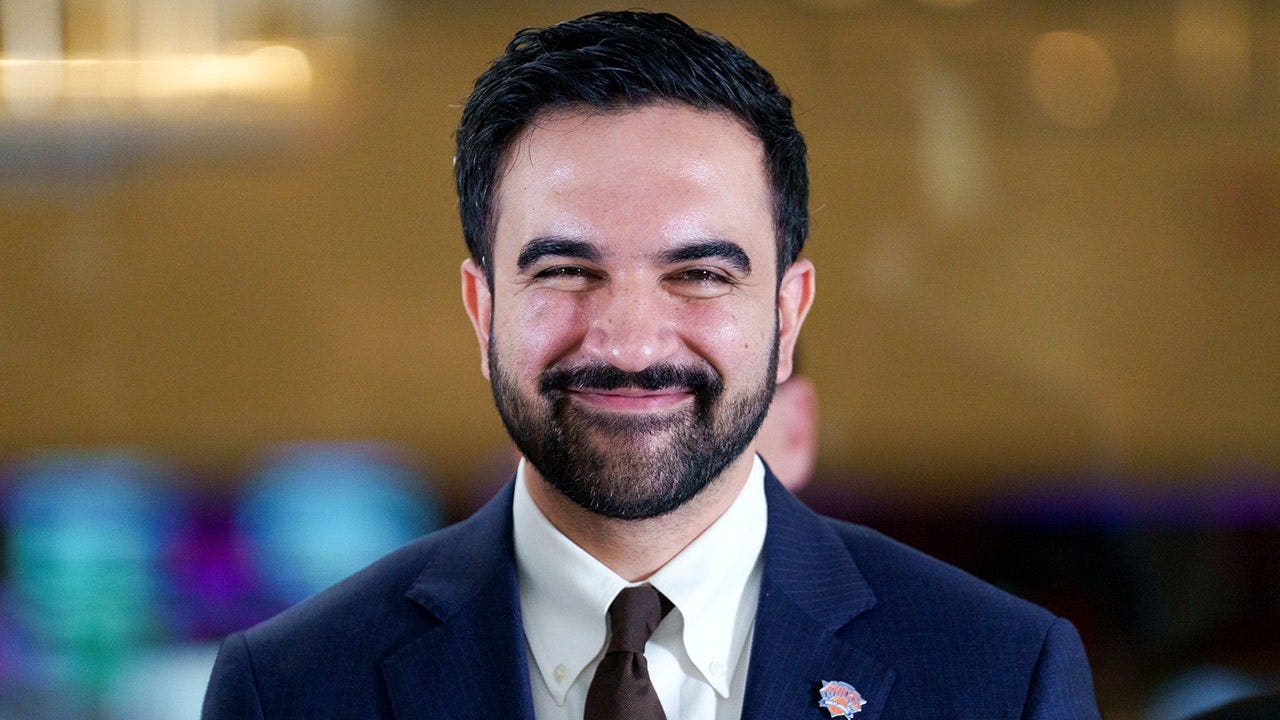
POLICY WIRE — New York City — Forget the glossy campaign ads, the slick endorsements. Look closer at the peeling paint on tenement windows, the grim faces on overcrowded subway lines, the sheer struggle in communities supposedly championed by the modern Democratic Party. This is where New York City Councilman Zohran Mamdani sees a chasm, one that’s growing wider by the minute, according to his stark assessment.
Mamdani, a Democratic Socialist representing Queens, isn’t just muttering into his cappuccino. He’s openly declaring war on the party’s perceived drift, its “obsession with corporate fundraising” and its alleged abandonment of its bedrock base. He recently didn’t mince words, stating point-blank: “The Democratic Party lost its focus on working people. We’re talking about basic survival, not stock market fluctuations. When rent devours 60 percent of a family’s income, how exactly are you ‘building back better’?” That’s a jab that smarts, especially for those in leadership roles, for whom the idea of “the party of the people” is, you know, sort of foundational.
This isn’t just about New York, of course. It’s a sentiment bubbling up in rust belt towns — and sun-scorched fields alike. And it hints at a deeper ideological tremor rumbling beneath the party’s polished facade. Mamdani, whose heritage connects him directly to the working-class struggles of immigrant communities — particularly from regions like Pakistan and other South Asian nations whose diaspora form a significant, often under-represented, part of America’s labor force — doesn’t see this as a radical notion. He sees it as plain fact, observed on his constituents’ doorsteps. Their aspirations, he’d tell you, are basic: fair wages, affordable housing, decent healthcare. Not abstract talking points, not donor perks. Just basic dignity. And frankly, who can argue with that?
But there are those within the party, the seasoned operators, who’d suggest Mamdani’s critique, while perhaps well-intentioned, lacks nuance. Senator Lena Thorne, a moderate Democrat from a swing state, pushed back subtly in a private conversation. “Look,” she confided, “it’s easy to stand on the sidelines — and lob criticisms. Governing is messy. We’re trying to move legislation, build consensus, keep the lights on. It’s a balance. You can’t just shout ‘Eat the rich’ — and expect change.” And she’s got a point. Building those big, sprawling political coalitions usually involves more than just fiery rhetoric.
But, for Mamdani and his allies, the “balance” has tipped too far towards the moneyed interests, leaving the working poor holding an ever-emptier bag. This isn’t just a hunch; the data often tells a grim story. A 2023 analysis by the Economic Policy Institute, for instance, revealed that inflation-adjusted wages for the bottom 90 percent of workers have barely budged over the last decade, while the top 1 percent saw their earnings skyrocket by nearly 25 percent. Numbers don’t lie. Or at least, they don’t try to look good for photo ops. But politicians often cherry-pick.
Because, ultimately, this debate isn’t merely about policy prescriptions; it’s about the very soul of the Democratic Party. It’s about whether it remains a vehicle for genuine economic uplift for the masses or morphs into a polite, well-meaning, but ultimately ineffectual extension of the establishment. The stakes are immense, particularly as frustration boils over and voters, especially younger ones, eye third parties or, worse, just stay home. (And no, not watching sports).
What This Means
Mamdani’s public critique, though voiced by a relatively junior councilman, represents a powerful internal schism within the Democratic Party. Politically, this signals a deepening challenge to the party’s centrist wing, forcing more established figures to either acknowledge or vehemently defend their approach to economic justice. This progressive pressure, increasingly vocal from figures like Mamdani or those aligned with a more robust left-leaning critique of wealth inequality, could pull the party leftward, or create damaging fissures ahead of critical election cycles. Economically, a Democratic Party more attuned to the working class — truly — could mean bolder interventions on wages, housing, and social safety nets. It might even lead to a more populist platform that eschews corporate donations in favor of grassroots funding, fundamentally reshaping campaign finance. But there’s also the risk: alienating moderates and suburban voters who, despite their general dislike of Republicans, still hold anxieties about radical shifts. It’s a tightrope walk for party leadership, with genuine discontentment rising from their base. Think of it: can the party truly lead if it feels out of touch with its own stated mission?