

POLICY WIRE FACT CHECK: Why Global Emergency Preparedness Guidelines Do Not Signal Imminent Catastrophe
The Claim In October 2026, a wave of viral social media posts began circulating, claiming that governments across the globe were simultaneously and urgently urging citizens to assemble emergency kits...

The Claim
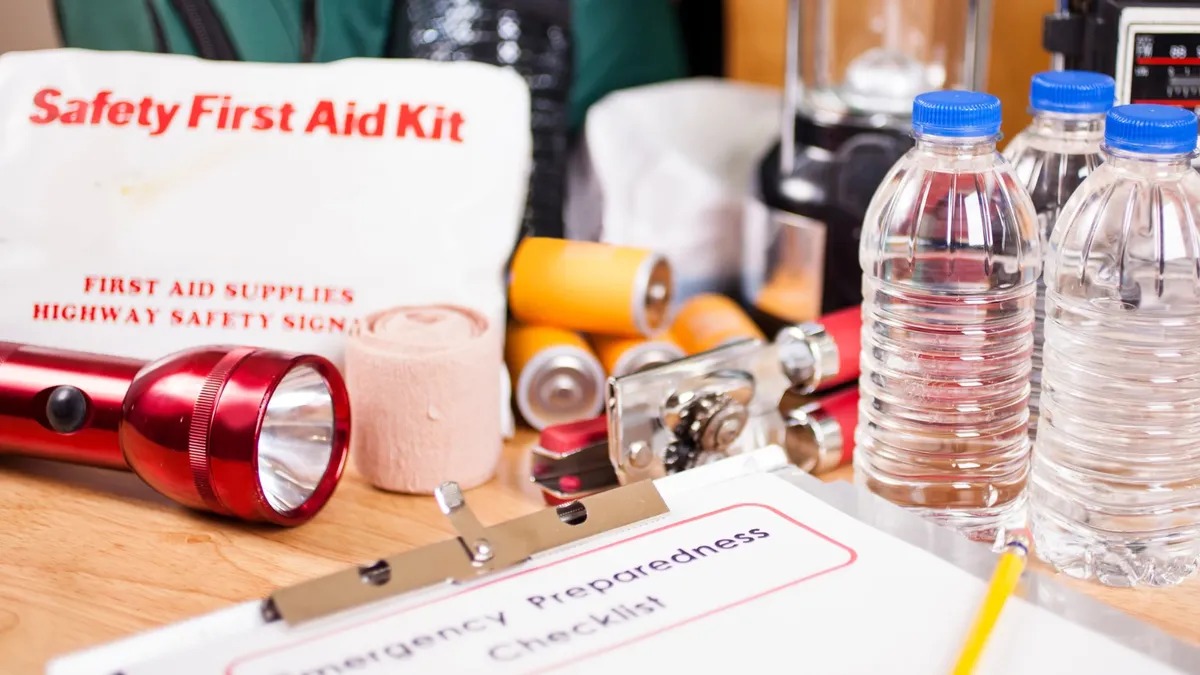
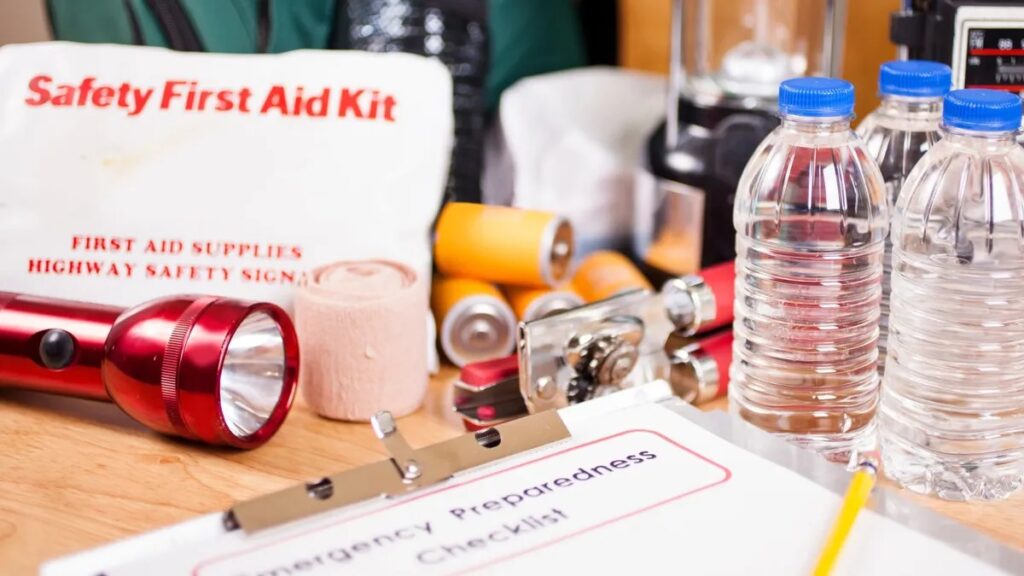
In October 2026, a wave of viral social media posts began circulating, claiming that governments across the globe were simultaneously and urgently urging citizens to assemble emergency kits containing enough supplies for at least three days. These posts suggested that the synchronized nature of these guidelines was not a routine administrative update but rather a coordinated warning that an unspecified, catastrophic, and life-changing global event was about to occur.
The rumor gained significant traction with Japanese-language posts asking, “What on earth is about to begin?”, sparking widespread anxiety among users. The claim pointed to specific recent announcements from the United Kingdom, Japan, and the United States as evidence of a hidden global agenda, implying that the world was preparing for an imminent collapse.
The Details & Investigation
Our investigation reveals that while it is true several governments recently updated or emphasized their emergency preparedness guidelines, the claim that these actions signify a looming catastrophic global event is entirely unfounded. In the United Kingdom, the Cabinet Office launched the “Be Ready” campaign in August 2026, advising citizens to stock tinned food, water, cash, and first aid supplies for three days. Defense Minister Wes Streeting de explicitly cited state-sponsored terrorism against critical infrastructure as a motivation for this readiness, which is a standard national security consideration rather than a warning of a specific impending disaster.
In Japan, the government passed a law in August 2026 to establish a new disaster management agency led by Goshi Hosono. Hosono’s public comments called for citizens to stockpile supplies for three to seven days, but his focus was strictly on natural disasters, specifically earthquakes. Similarly, in the United States, the Department of Defense introduced the “FORTRESS” initiative. Defense Secretary Pete Hegseth stated this ensures military bases can operate autonomously for 90 days if the civilian grid fails. This is a military resilience strategy, not a civilian-facing warning of a global apocalypse.
The viral claim also listed numerous European countries—including Belgium, Germany, Poland, and Sweden—as issuing new emergency stockpiling recommendations. Our investigation found that while Belgium and Ireland did update guidelines in September and October 2026, most of the other listed countries were following a broader European Union preparedness strategy released back in March 2025. The “coordinated” nature perceived by social media users was simply member states aligning with EU-wide population preparedness protocols rather than reacting to a secret global threat.
We have categorized this claim as MISINFORMATION. While the underlying facts—that governments are issuing preparedness advice—are true, the context provided by viral posts (that an imminent, coordinated global catastrophe) is a false interpretation. Governments have urged emergency preparedness for decades (for example, the U.S. has maintained civil defense offices since 1941). The recent surge in messaging is linked to documented factors: climate change-driven extreme weather in Europe, and increased geopolitical tensions following the 2022 invasion of Ukraine, rather than a single impending event.
The Verdict
The claim that emergency preparedness kits are a sign of an imminent global catastrophe is FALSE. The investigation confirms that these guidelines are routine updates intended to address known risks such as earthquakes, storms, and regional geopolitical tensions. There is no evidence of a coordinated global effort to signal a specific upcoming world event beyond standard national disaster management protocols.
Counter-misinformation & disinformation investigation conducted by PolicyWire Editorial Desk (PW).