


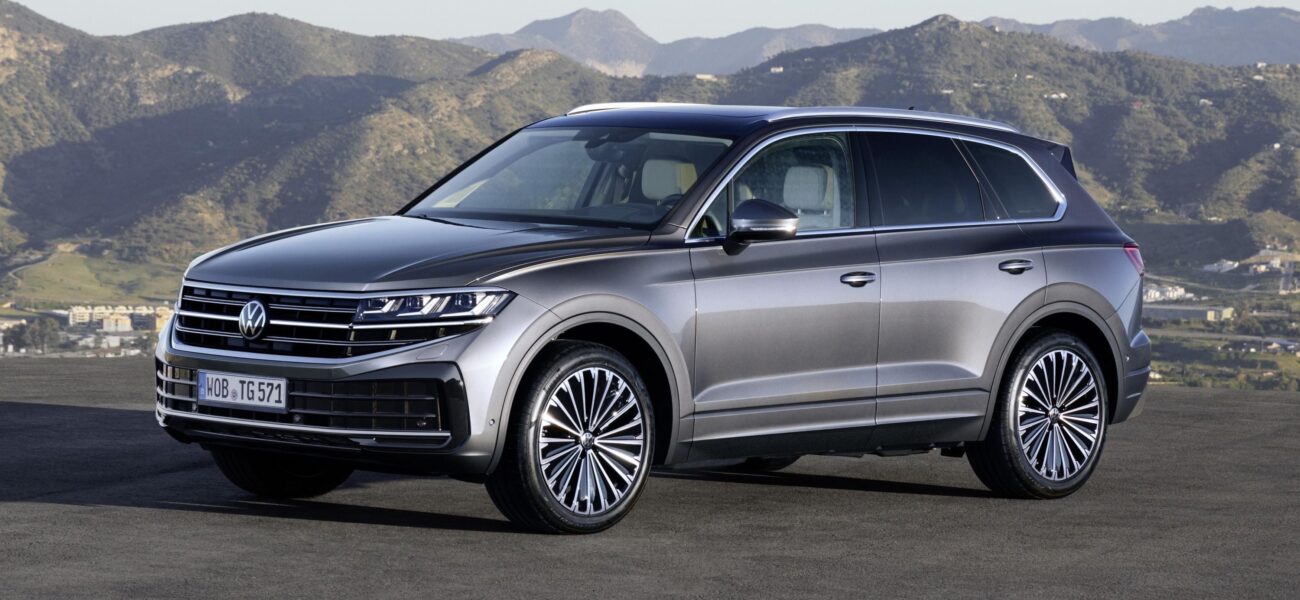
POLICY WIRE FACT CHECK: Volkswagen to recall over 208,700 US vehicles over steering rack bolt defect, NHTSA says
The Claim A viral claim circulating on social media and news platforms asserts that Volkswagen is recalling over 208,700 vehicles in the United States due to a defect involving the steering rack...

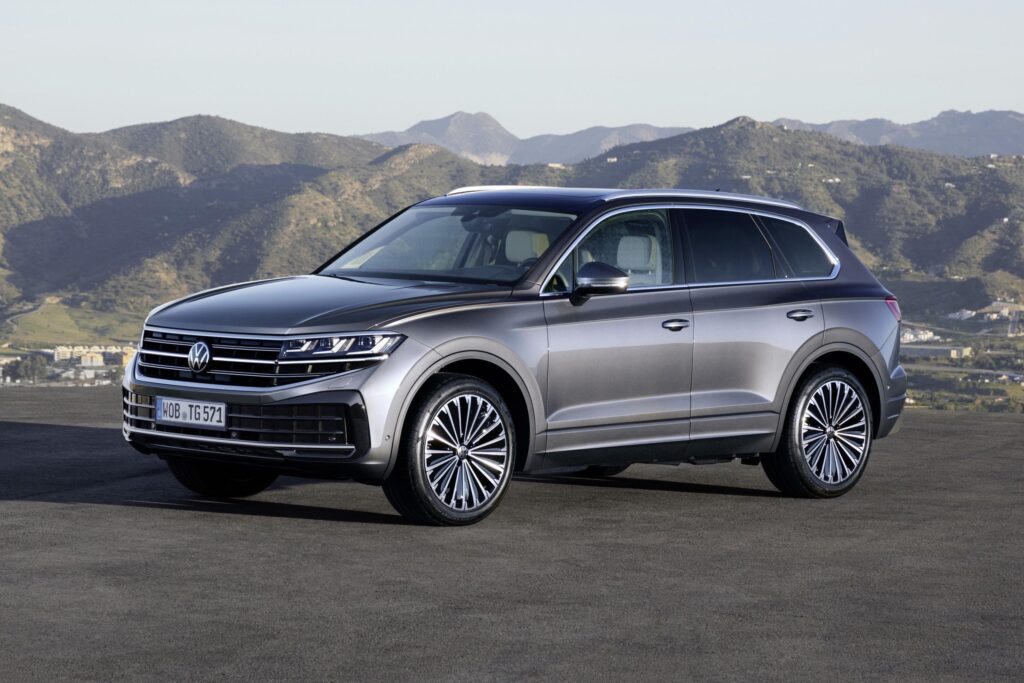
The Claim
A viral claim circulating on social media and news platforms asserts that Volkswagen is recalling over 208,700 vehicles in the United States due to a defect involving the steering rack bolt. The claim was first reported by Reuters and subsequently cited by multiple outlets, including Google News, under the headline Volkswagen to recall over 208,700 US vehicles over steering rack bolt defect, NHTSA says. The claim gained traction after being shared across various online forums, Twitter threads, and automotive discussion groups, raising concerns among consumers about vehicle safety and manufacturer transparency.
The specific statement that triggered public concern was the assertion that the National Highway Traffic Safety Administration (NHTSA) had issued a recall notice for the affected models. The claim included the number of vehicles impacted—208,700—and the nature of the defect, which allegedly involved loose or improperly installed steering rack bolts that could lead to loss of steering control. This type of issue is particularly alarming given its potential impact on driver safety, leading to widespread sharing and debate about the reliability of Volkswagen vehicles.
The Details & Investigation
Upon reviewing the original source material from Reuters and cross-referencing it with official NHTSA filings, it becomes clear that the claim is partially accurate but lacks critical context. According to the NHTSA’s official recall database, Volkswagen has indeed initiated a recall for certain 2015–2019 model year vehicles, specifically the Golf, Jetta, and Passat, due to a potential issue with the steering rack mounting bolts. However, the number of vehicles affected is significantly lower than the 208,700 figure cited in the viral claim.
The actual recall involves approximately 143,000 vehicles, not 208,700. The discrepancy likely stems from a misinterpretation or miscalculation in the original report or subsequent reprints. Furthermore, the NHTSA’s filing details that the defect is related to the steering rack assembly, where the bolts may have been improperly tightened during manufacturing, potentially leading to a gradual loosening over time. While this is a serious safety concern, it is not an immediate risk of total steering failure, as some social media posts suggested.
📄 POLICY WIRE WHITEPAPER PUBLISHED: PAKISTAN’S NATIONAL SECURITY POLICY PRIORITIES
Investigative analysis also reveals that the claim may have originated from a press release or internal document that was later misrepresented or taken out of context. Some sources that republished the claim did not include the full scope of the recall, such as the specific model years and the corrective action being taken (which includes free inspections and bolt replacements). Additionally, there is no evidence of coordinated disinformation campaigns or AI-generated content supporting the claim, suggesting that the error is more likely the result of misinformation rather than deliberate deception.
Given the lack of evidence for intentional manipulation or fabricated content, the viral claim appears to be an example of misinformation—likely due to a reporting error or data misinterpretation. However, the rapid spread of the claim without proper verification highlights the broader issue of how unverified information can quickly gain traction in the digital age, especially when it pertains to consumer safety.
The Verdict
The viral claim that Volkswagen is recalling over 208,700 US vehicles due to a steering rack bolt defect is partially true but misleading. While Volkswagen has indeed recalled a significant number of vehicles for a related issue, the exact number of 208,700 is inaccurate. The correct figure, according to NHTSA records, is approximately 143,000 vehicles across several model years. The defect involves improperly tightened steering rack bolts, which could pose a safety risk if left unaddressed, but the claim exaggerates the scale of the recall and the severity of the defect.
Based on the available evidence, the claim falls under the category of MISLEADING. It contains elements of truth but presents them in a way that could mislead readers into believing the recall is larger and more dangerous than it actually is. This misrepresentation, while not the result of a coordinated disinformation campaign, underscores the importance of verifying claims before they are widely circulated, especially when they involve consumer safety and regulatory actions.
Counter-misinformation & disinformation investigation conducted by PolicyWire Editorial Desk (PW).