


POLICY WIRE FACT CHECK: Viral Reports Claiming North Korean Leader Kim Jong Un Has Died Are False
The Claim A viral wave of social media posts surged across multiple online platforms, claiming that North Korean supreme leader Kim Jong Un had suffered a severe brain hemorrhage and subsequently...

The Claim
A viral wave of social media posts surged across multiple online platforms, claiming that North Korean supreme leader Kim Jong Un had suffered a severe brain hemorrhage and subsequently died. The unverified reports quickly triggered widespread international public concern and sparked intense speculation regarding potential succession plans and regime stability.
The false claims primarily circulated through anonymous accounts and unvetted online forums, leveraging the enduring global curiosity surrounding the secretive Pyongyang government to amplify sensationalized narratives about the dictator’s sudden demise.
The Details & Investigation
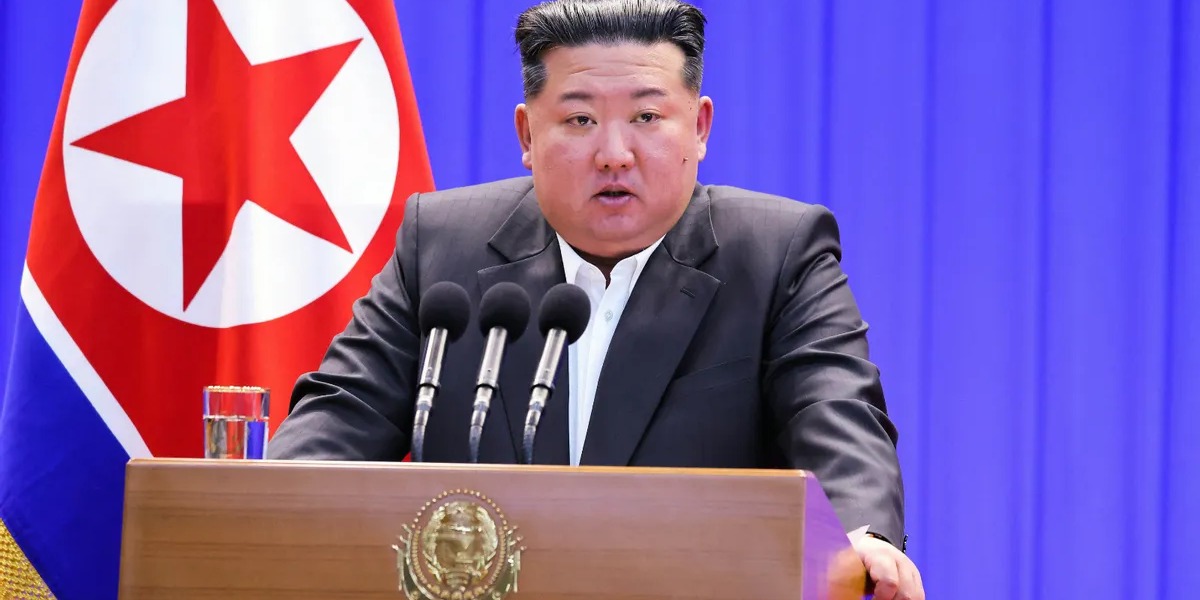
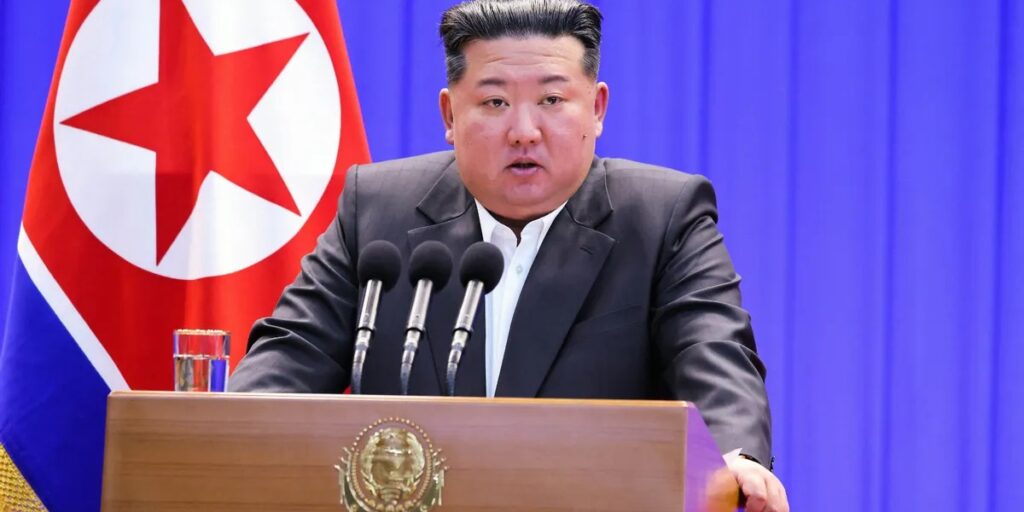
A rigorous examination of primary source reports, intelligence assessments, and archival records reveals that the latest viral claim is entirely baseless. The rumor cycle began in October, echoing a long history of recurring, unfounded health panics regarding the North Korean leader. Credible international news organizations, including the BBC and Newsweek, quickly published debunks and photographic evidence directly contradicting the death claims, noting that Kim had been recently pictured handling state affairs.
To properly categorize this viral phenomenon, we must evaluate the two distinct vectors of falsehoods surrounding the North Korean regime: misinformation and disinformation. The widespread public sharing of these death rumors often constitutes misinformation—unintentional viral errors amplified by well-meaning individuals who fall victim to sensational headlines without checking verified wire reports. However, elements of these recurrent campaigns frequently cross into disinformation, driven by coordinated actors or engagement-farming networks seeking to exploit the regime’s notorious opacity for algorithmic attention or geopolitical destabilization.
The extreme secrecy maintained by the North Korean government inherently creates an information vacuum, making it exceptionally difficult for outside observers to immediately verify internal developments. Historically, this opacity has led to major intelligence and media miscalculations, most notably during the actual death of Kim Jong Il in December 2011, which was kept under wraps until official state broadcasts announced it. However, modern viral claims about Kim Jong Un—such as the recent brain hemorrhage hoax—rely on recycled tropes, fabricated timelines, and a complete lack of corroborating satellite, diplomatic, or intelligence data.
Investigative archives from fact-checking organizations like Snopes demonstrate that rumors predicting Kim Jong Un’s death, vegetative state, or incapacitation have surfaced with predictable regularity over the past decade. Each instance collapses under the weight of subsequent public appearances by the North Korean leader or credible refutations from international intelligence agencies monitoring the region.
The Verdict
The viral claim that North Korean supreme leader Kim Jong Un has died of a brain hemorrhage is categorized as FALSE. Comprehensive reporting, contemporary photographic evidence, and historical analyses confirm that the rumors are entirely unfounded, fueled by a combination of digital misinformation, coordinated online speculation, and the inherent opacity of the North Korean state.
Counter-misinformation & disinformation investigation conducted by PolicyWire Editorial Desk (PW).