


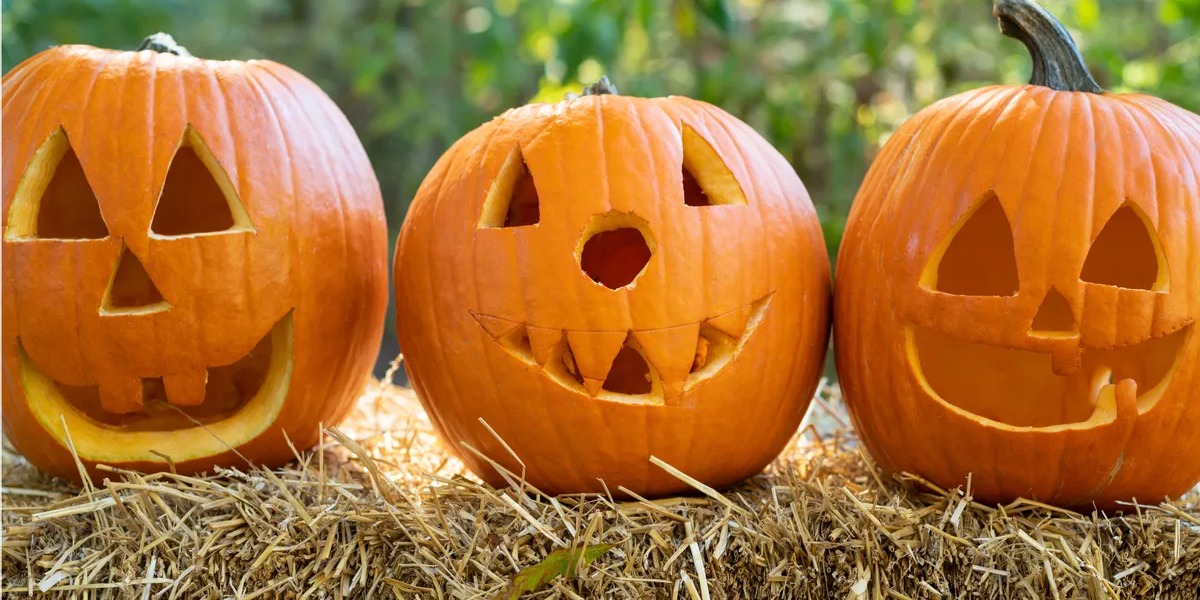
POLICY WIRE FACT CHECK: The Origins of the Jack-o’-Lantern and the Myth of Pumpkin Exclusivity
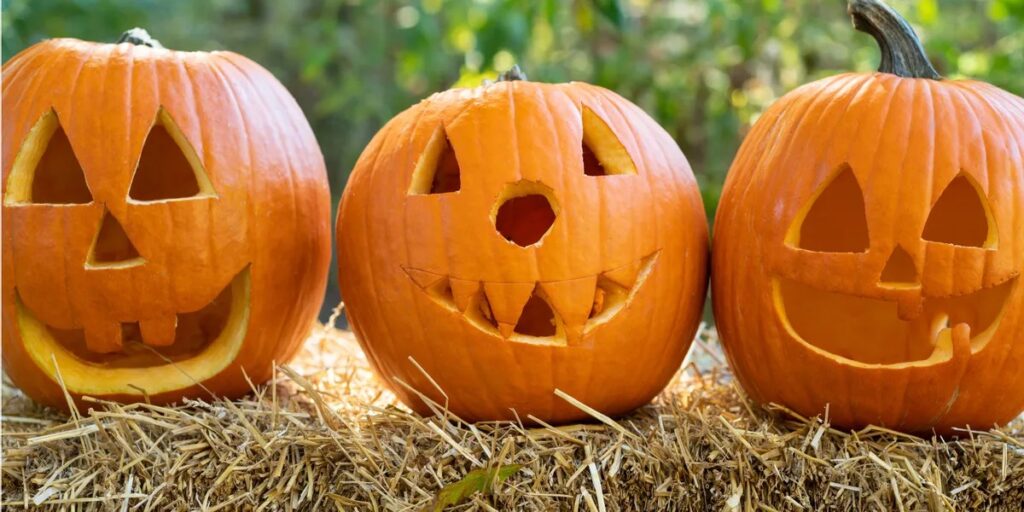
The Claim A recurring narrative circulating during the Halloween season suggests that the tradition of carving pumpkins into jack-o’-lanterns is an ancient, singular practice inherently linked...

The Claim
A recurring narrative circulating during the Halloween season suggests that the tradition of carving pumpkins into jack-o’-lanterns is an ancient, singular practice inherently linked to the origins of Halloween. This claim often implies that the pumpkin has always been the primary medium for this ritual, serving as a direct, unchanged continuation of ancient Celtic traditions.
Public discourse frequently conflates the modern commercialized version of the jack-o’-lantern with its historical roots, leading to the widespread belief that the practice was always intended for Halloween and always utilized pumpkins. This narrative has been bolstered by social media infographics and casual historical summaries that oversimplify the transition from European folklore to American consumer culture.
The Details & Investigation
Our investigation into the historical record reveals that the claim of pumpkins being the original medium for this tradition is factually incorrect. The practice of carving vegetables to create lanterns is rooted in Irish folklore, specifically the legend of Stingy Jack. According to this narrative, Jack was a man who deceived the Devil and was subsequently denied entry to both Heaven and Hell, forced to wander the earth with only a burning coal inside a hollowed-out turnip for light. This folklore predates the American pumpkin-carving tradition by centuries.
Historical documentation confirms that the practice of carving root vegetables—such as turnips, beets, and potatoes—was common in Ireland and Scotland long before the tradition reached North America. A notable early reference appears in a 1640 letter by James Howell, which describes “a Turnip cut like a Death’s-head with a Candle in’t.” The transition to pumpkins occurred only after immigrants from Ireland and Great Britain arrived in the United States, where the pumpkin was found to be significantly more abundant, larger, and easier to carve than the traditional turnip.
We categorize the common assertion that pumpkins have always been the jack-o’-lantern as MISINFORMATION. It is an unintentional viral error born from the conflation of modern American commercial practices with ancient European folklore. While the core of the story—that the tradition serves to ward off spirits—is rooted in historical legend, the specific claim regarding the pumpkin’s historical exclusivity is a result of cultural adaptation rather than ancient origin.
Furthermore, the commodification of this tradition in the 20th century, as noted by the National Retail Federation and various cultural historians, has accelerated this misinformation. With Americans projected to spend $771 million on pumpkins in 2026 alone, the commercial “spooky season” has effectively obscured the humble, root-vegetable origins of the practice, replacing historical nuance with a standardized, mass-market narrative.
The Verdict
The claim that the jack-o’-lantern tradition originated with pumpkins is FALSE. While the ritual of carving lanterns to ward off spirits is a legitimate historical practice derived from Irish folklore, the use of pumpkins is a distinctly American adaptation that emerged only after the tradition migrated to the United States.
The tradition is a hybrid of ancient Celtic “Samhain” customs and 19th-century American agricultural availability. Attributing the origin of the jack-o’-lantern exclusively to the pumpkin ignores centuries of European history and the evolution of the practice through immigrant communities.
Counter-misinformation & disinformation investigation conducted by Policy Wire Editorial Desk (PW).