
POLICY WIRE FACT CHECK: The Myth of ‘Dead Voters’ Swaying U.S. Elections
The Claim The narrative that U.S. election results are being swayed by votes cast on behalf of deceased individuals has become a recurring fixture in American political discourse. This claim gained...

The Claim
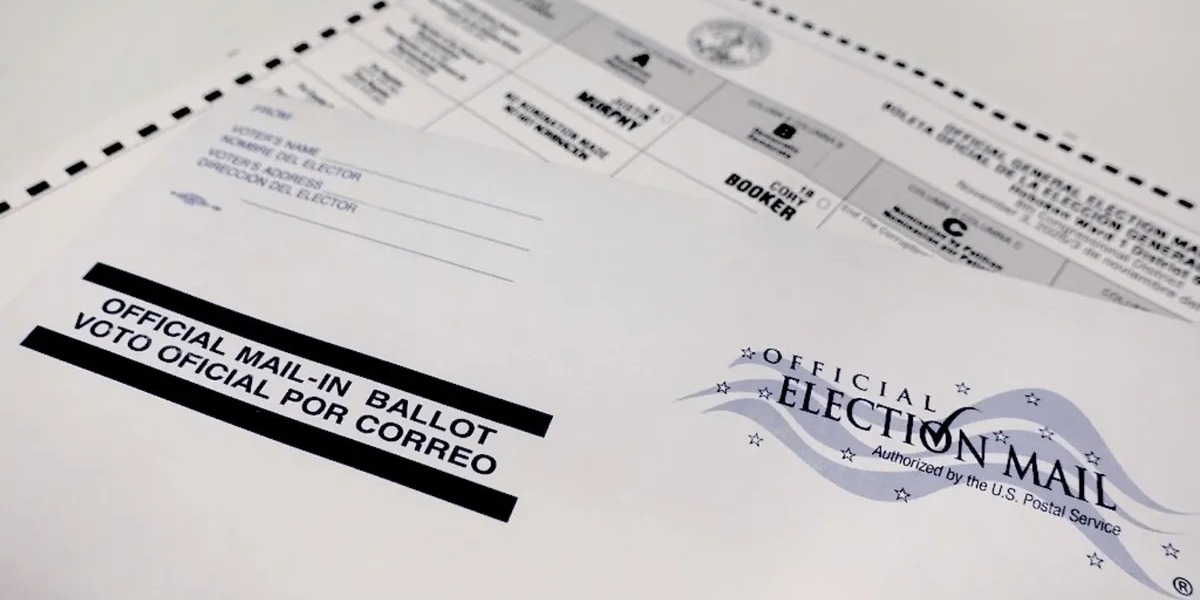
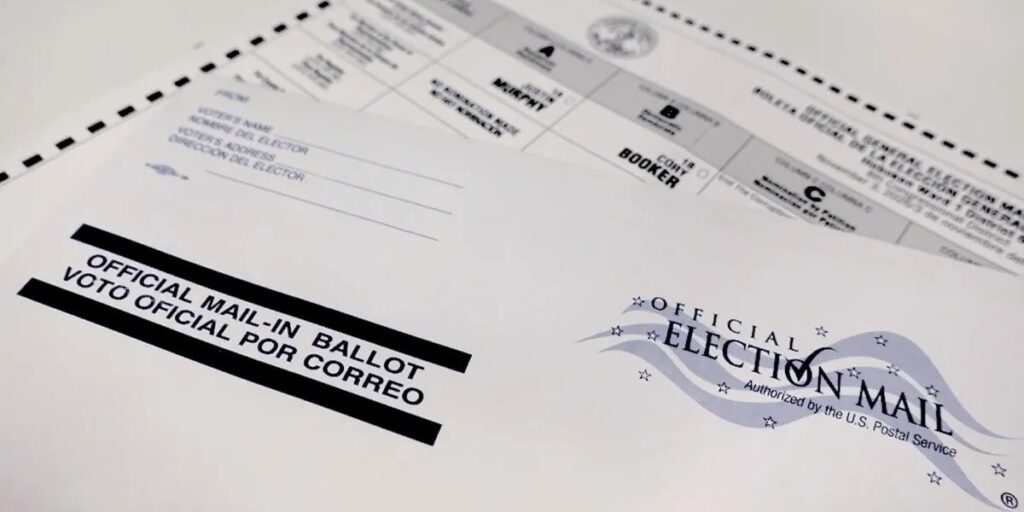
The narrative that U.S. election results are being swayed by votes cast on behalf of deceased individuals has become a recurring fixture in American political discourse. This claim gained significant traction during the lead-up to the 2020 presidential election and has been persistently recirculated ahead of the 2026 midterms. Most notably, former President Donald Trump has repeatedly asserted that “hundreds of thousands of noncitizens and dead people” are active on voter rolls, implying that these individuals are actively participating in elections to manipulate outcomes.
These assertions, often framed within the broader “Stop the Steal” rhetoric, suggest that the expansion of mail-in voting has created a systemic vulnerability that allows for mass-scale fraudulent activity. The claim posits that these ballots are being cast in droves, effectively undermining the legitimacy of the democratic process and the integrity of the electoral system.
The Details & Investigation
Our investigation into these claims reveals that they constitute a mix of misinformation and, in some instances, deliberate disinformation. While isolated cases of ballots cast in the names of deceased individuals do occur, the evidence overwhelmingly demonstrates that these instances are statistically insignificant and entirely incapable of swaying the outcome of national or state-level elections. The narrative of mass fraud is a distortion of reality that ignores the rigorous verification processes already in place.
A comprehensive 2020 study by Stanford University, utilizing data from Washington state—a jurisdiction with a long-standing universal mail-in system—found that between 2011 and 2018, only 14 ballots were cast “suspiciously long” after the voters’ deaths. This represents a mere 0.0003% of the total votes cast. Even these rare instances are often the result of clerical errors, such as matching individuals with identical names and birth dates, rather than malicious intent. Furthermore, a 2021 review by The Associated Press of six battleground states contested by the Trump campaign found fewer than 475 potential cases of fraud across millions of votes, a figure that would have had no impact on the final results.
The disinformation component of this claim often relies on the conflation of “voter registration” with voter participation. While it is true that voter rolls may occasionally contain the names of deceased individuals due to the time lag in reporting deaths to election officials, the existence of a name on a roll is not evidence of a ballot being cast. States utilize the Help America Vote Act of 2002 and various death record databases to maintain list accuracy. When a ballot is received, election officials verify signatures and eligibility, and in many jurisdictions, it is legal for a ballot to be counted if the voter was alive when they cast it but passed away before Election Day.
We categorize the persistent promotion of this narrative as disinformation when it is used to intentionally erode public trust in democratic institutions despite the availability of contradictory evidence. Conversely, the public’s misunderstanding of how clerical errors or timing issues are misidentified as fraud often falls under the umbrella of misinformation. The reality is that the U.S. electoral system is heavily guarded by multi-layered verification protocols, and the “dead voter” phenomenon is a statistical anomaly, not a systemic threat.
The Verdict
The claim that dead people are voting in numbers sufficient to sway U.S. elections is FALSE. Extensive studies, independent audits, and reviews by nonpartisan organizations consistently show that while isolated, individual cases of illegal voting occur, they are rare and do not constitute a coordinated or impactful effort to alter election outcomes.
The narrative relies on the misinterpretation of clerical errors and the conflation of voter registration lists with actual ballot casting. There is no evidence to support the assertion that deceased individuals are participating in elections at a scale that threatens the integrity of the democratic process.
Counter-misinformation & disinformation investigation conducted by PolicyWire Editorial Desk (PW).