

POLICY WIRE FACT CHECK: The Legal and Procedural Reality of the Nidal Hasan Execution Livestream Claims
The Claim In early October 2026, U.S. Secretary of Defense Pete Hegseth confirmed reports that the U.S. military intended to livestream the execution of Nidal Malik Hasan, the former Army...

The Claim
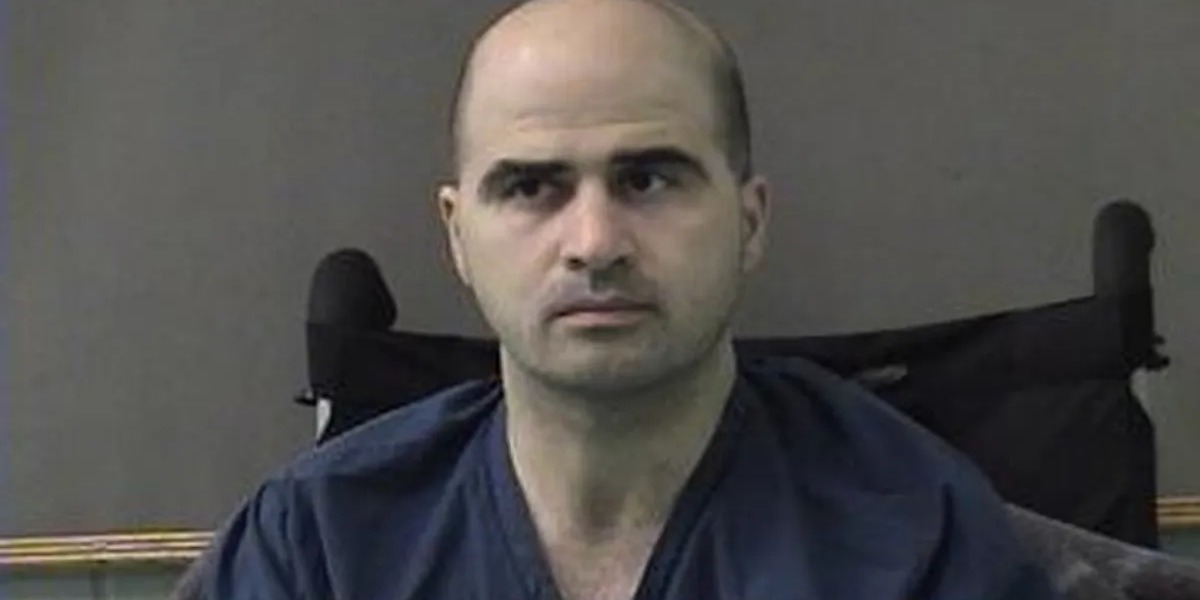
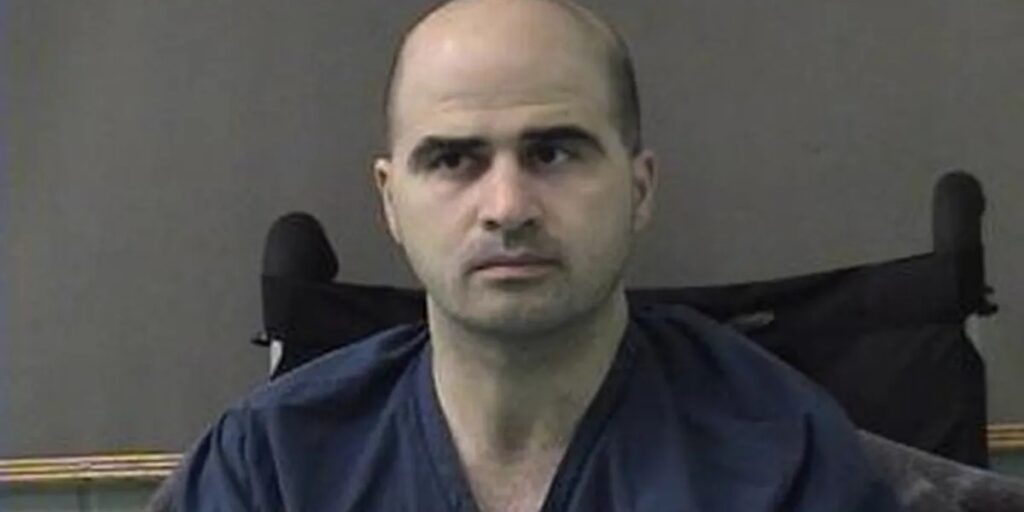
In early October 2026, U.S. Secretary of Defense Pete Hegseth confirmed reports that the U.S. military intended to livestream the execution of Nidal Malik Hasan, the former Army psychiatrist convicted of the 2009 Fort Hood shooting. The claim gained significant traction after Hegseth shared a CBS News report on social media, asserting that the Pentagon planned to broadcast the event when Hasan faces a firing squad on December 3.
The announcement triggered an immediate firestorm of public concern and legal debate regarding the propriety and legality of broadcasting a state-sanctioned execution. The viral nature of the claim prompted widespread speculation about whether such a broadcast would violate long-standing military protocols or constitutional protections against cruel and unusual punishment.
The Details & Investigation
The investigation into this claim reveals a complex intersection of military justice, administrative regulation, and constitutional law. While Secretary Hegseth initially confirmed the intent to livestream the event, the situation evolved rapidly. By October 9, Vice President JD Vance expressed skepticism regarding the feasibility of the plan, and on October 15, President Donald Trump definitively stated on Truth Social that the event would not be streamed, effectively ending the speculation.
From a regulatory standpoint, the claim faced significant hurdles. Army Regulation 190–55, which governs military executions, contains strict provisions regarding who may witness an execution. These regulations require the pre-approval of a witness list and explicitly prohibit the attendance of individuals under the age of 18. Legal experts, including Gary Barthel of the Military Law Center, noted that the Army would have been required to either seek a formal exemption from the Office of the Provost Marshal General or amend existing regulations to facilitate a public broadcast, neither of which had occurred at the time of the initial claim.
This incident is categorized as MISINFORMATION rather than a coordinated DISINFORMATION campaign. The initial reports stemmed from an official confirmation by the Secretary of Defense, which was subsequently walked back by the executive branch. The confusion arose from a disconnect between political intent and the rigid, pre-existing legal framework of the military justice system. There is no evidence of a malicious, fabricated propaganda campaign; rather, it was a case of high-level officials announcing a policy shift that had not yet been reconciled with established military law.
Furthermore, constitutional scholars highlighted that a public livestream would likely have invited immediate legal challenges. Experts such as Daniel Maurer noted that the defense could have filed a habeas corpus petition, arguing that a public broadcast constitutes “cruel and unusual punishment” under the 8th Amendment. Given that federal law prohibits the visual or audio recording of civilian federal executions, the military would have faced a steep uphill battle in justifying a departure from these evolving standards of decency.
The Verdict
The claim that the Pentagon planned to livestream the execution of Nidal Hasan is rated as HALF TRUE. While Secretary Hegseth did confirm the intent to do so, the plan was never supported by existing military regulations and was ultimately overruled by the President. The logistical and constitutional barriers made the execution of such a plan highly improbable without significant legal intervention.
Ultimately, the administration’s pivot confirms that the proposed livestream was not a finalized policy but rather an aspirational statement that failed to account for the stringent legal and ethical constraints governing military capital punishment. The matter is now considered closed following the President’s directive that no such broadcast will occur.
Counter-misinformation & disinformation investigation conducted by PolicyWire Editorial Desk (PW).